
Key points
- The Nasdaq Composite fell 5.52% on Thursday to 24,315.00, the S&P 500 dropped 4.36% to 7,353.73, and the Dow Jones Industrial Average lost 1,833.06 points, or 3.44%, to 51,523.06 — the worst day for all three indexes since April 2025.
- The Nasdaq closed 11.9% below its record close of 6 October, putting it in correction territory, and the Nasdaq 100 fell 6.36%, its worst day since March 2020.
- Chip stocks led the fall: the Philadelphia Semiconductor Index dropped 12.25%, Nvidia fell 9.3% and AMD plunged 17.3%, according to the Associated Press.
- The trigger was investors' reassessment of the Democrats' midterm sweep and the prospect of restrictions on data-centre building slowing the AI buildout. President Donald Trump blamed the Democrats' midterm victories for the sell-off.
- The rout spread to Asia on Friday: South Korea's Kospi plunged by almost 9% at the market open, triggering a 20-minute trading halt, and Japan's Nikkei fell 5.7%.
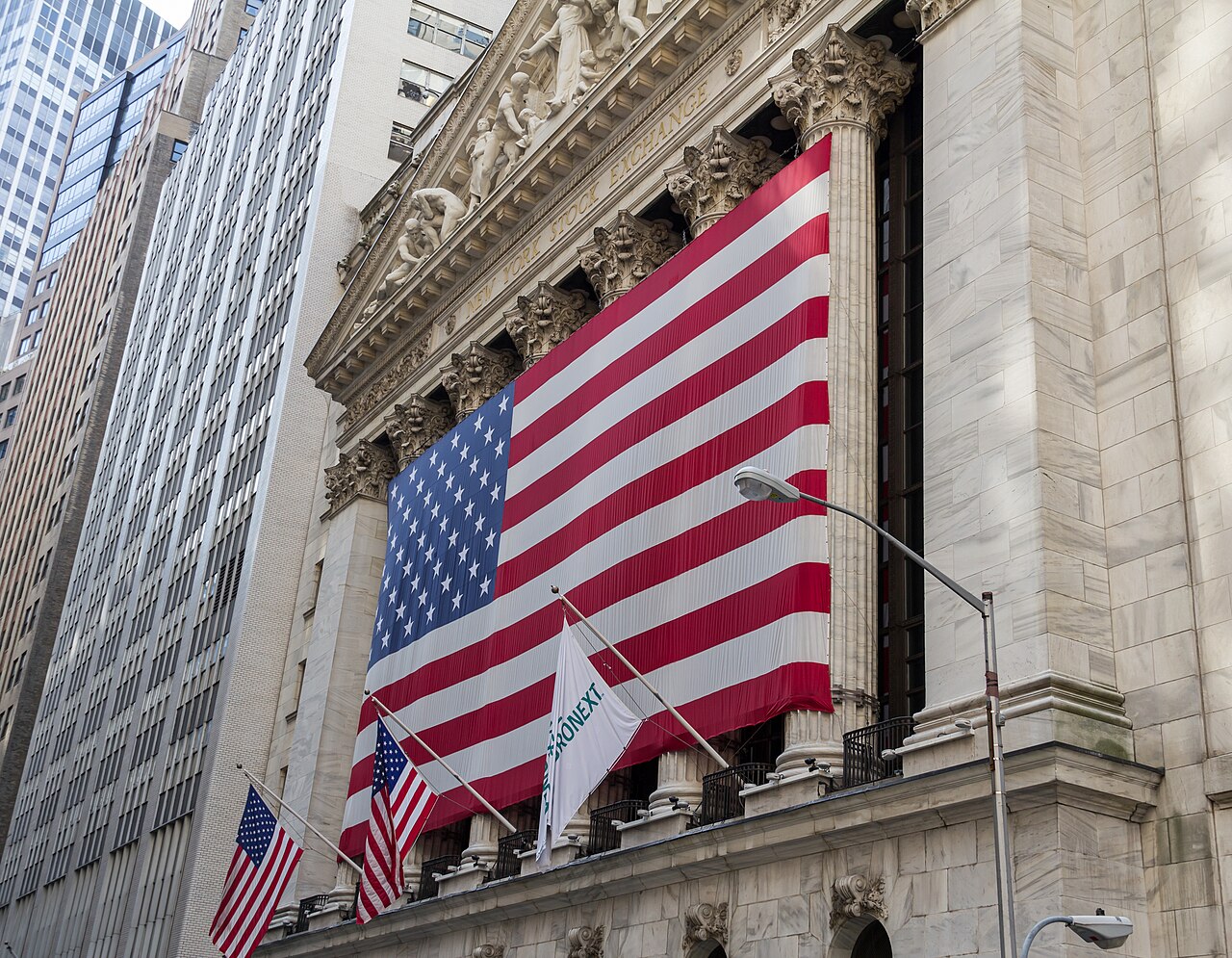
Wall Street has suffered its worst day since April 2025, as a sell-off in artificial intelligence and chip stocks erased the rally that followed Tuesday's midterm elections. The technology-heavy Nasdaq Composite plunged 5.52% on Thursday to close at 24,315.00, the S&P 500 fell 4.36% to 7,353.73, and the Dow Jones Industrial Average lost 1,833.06 points, or 3.44%, to finish at 51,523.06. Read more: Democrats take the US Senate in midterm sweep, completing control of Congress
The losses were the steepest for the major indexes since the market turmoil that followed President Donald Trump's sweeping tariff announcements in April 2025, according to CNN and the Associated Press. Roughly $2.5 trillion in market value was wiped out on Thursday, CNN reported, and Reuters put the loss across S&P 500 companies at approximately $3 trillion.
The scale of the fall
The Nasdaq closed 11.9% below its record close of 27,599.89 on 6 October, which puts it officially in correction territory — a fall of 10% or more from a recent peak. The Nasdaq 100, a smaller index of major technology companies, sank 6.36%, suffering its worst day since March 2020, when the onset of the Covid-19 pandemic roiled markets. The S&P 500 and the Dow are down roughly 6% and 5% respectively since their peaks, according to CNN.

Why chip stocks led the sell-off
The technology sector bore the brunt of the decline as investors reassessed the outlook for artificial intelligence spending after the election results. The Philadelphia Semiconductor Index collapsed 12.25% to 9,011.14, its worst day in roughly six and a half years. Nvidia, the semiconductor giant at the centre of the AI boom, tumbled 9.3%, while Advanced Micro Devices plunged 17.3%, according to the Associated Press.
By the account of analysts quoted in the day's coverage, the trigger was not an earnings miss or a central-bank surprise. It was the midterm results, and in particular what the Democrats' sweep of key races means for the American AI buildout: investors feared new restrictions on data-centre construction could slow the infrastructure expansion supporting artificial intelligence. Democrats flipped governor's offices in Texas, Ohio, Georgia and Nevada, according to NBC News results. President Trump blamed the Democratic Party's midterm election victories for the sell-off.
| Measure | Figure | Source |
|---|---|---|
| Nasdaq Composite, Thursday | −5.52% to 24,315.00 | AP / CNN |
| S&P 500, Thursday | −4.36% to 7,353.73 | AP / CNN |
| Dow Jones Industrial Average, Thursday | −1,833.06 points (−3.44%) to 51,523.06 | AP / CNN |
| Nasdaq vs 6 October record close | −11.9% (in correction) | CNN |
| Nasdaq 100, Thursday | −6.36%, worst day since March 2020 | CNN |
| Philadelphia Semiconductor Index | −12.25% to 9,011.14 | Market reports |
| Nvidia / AMD, Thursday | −9.3% / −17.3% | Associated Press |
| Market value wiped out, Thursday | Roughly $2.5 trillion (Nasdaq); about $3 trillion across S&P 500 companies | CNN / Reuters |
| Dow, Wednesday's post-election rally | +1,569.40 points (+3.03%) to 53,356.12 | Market reports |
| Kospi at Friday's open | Almost −9%, 20-minute trading halt | CNN |
| Nikkei, Friday | −5.7% | The Hindu Business Line |
From rally to rout in a day
The whiplash is the story. On Wednesday, the first trading day after the 3 November election, the Dow jumped 1,569.40 points, or 3.03%, to 53,356.12, its best day since April 9, 2025. The S&P 500 rose 1.58% and the Nasdaq 1.44%. By Thursday's close, the Dow had given back all of those gains and more. Despite Thursday's decline, the major indexes remained higher for the year: the S&P 500 was up approximately 7.4% in 2026, the Dow had gained 7.2% and the Nasdaq remained 4.6% higher, according to the Associated Press.
What happens next
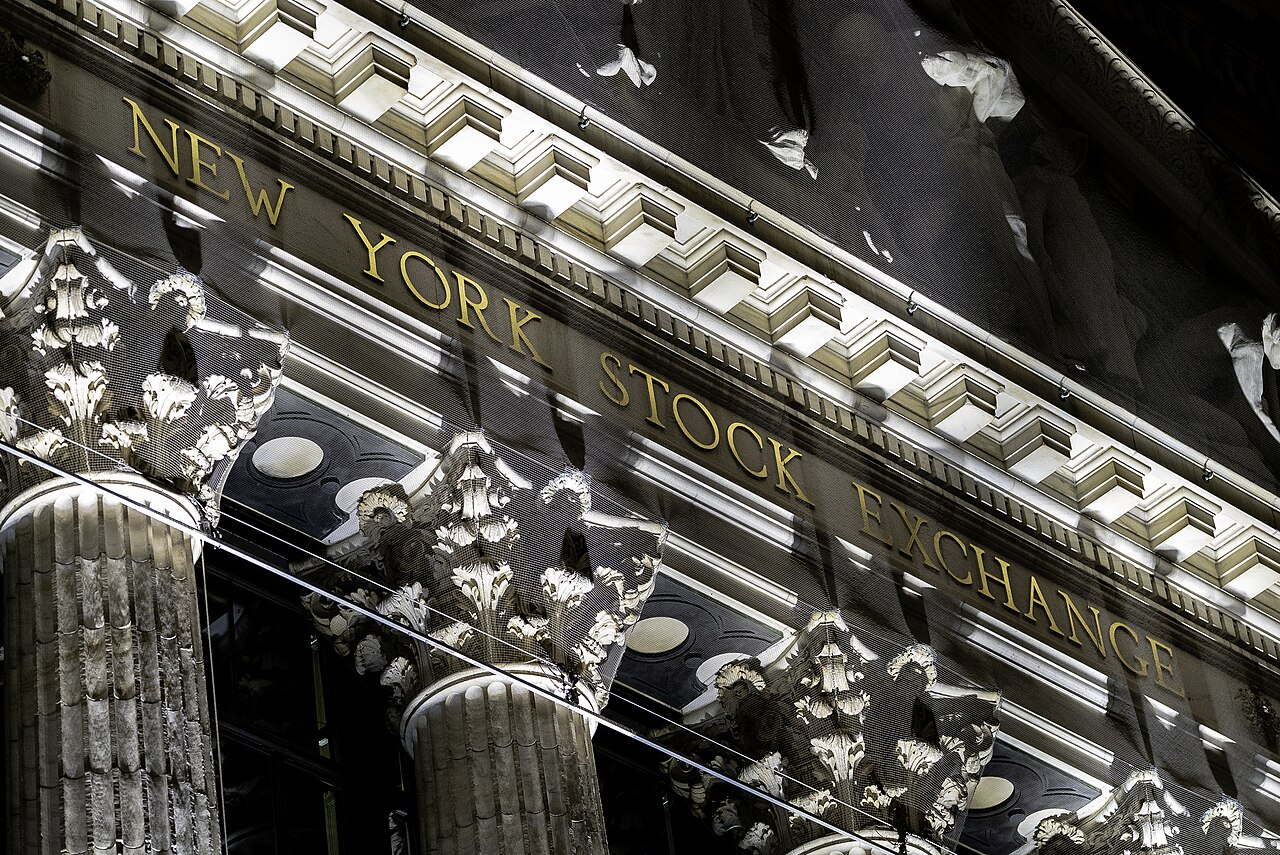

The sell-off spread across Asia on Friday. South Korea's Kospi plunged by almost 9% at the market open, triggering a trading halt on the exchange for 20 minutes, CNN reported. Japan's Nikkei fell 5.7%, according to The Hindu Business Line, and other Asian stocks also declined following the widespread sell-off of issues related to artificial intelligence.
The next test for markets comes on Friday, when the United States releases its October jobs report, with nonfarm payrolls expected to rise by about 62,000 to 65,000. Europe Unfolded will report the market reaction as it happens.
Updates & corrections
Published 6 November 2026.
No updates or corrections have been made to this article since publication.
Sources
- CNN, "Massive tech sell-off wipes $2.5 trillion from the stock market", 5 November 2026, on the index falls, the correction, the Nasdaq 100, the Asian follow-through and the market-value loss: cnn.com
- Moneycontrol, "From election rally to $2.5 trillion rout: Why Wall Street's AI stocks crashed overnight", 6 November 2026, on the Nasdaq 100 loss, the Wednesday rally and the AI-buildout fears behind the sell-off: moneycontrol.com
- The Statesman, "Wall Street loses $2.9 trillion as AI fears trigger market rout; Trump blames Democrats for crash", 6 November 2026, on the index closes, the Reuters estimate of the S&P 500 loss and President Trump's reaction: thestatesman.com
- The Hindu Business Line, "Asian markets crash: Nikkei falls 5.7%, Kospi drops 7.4% amid AI stock sell-off", 6 November 2026, on the Nikkei and Kospi falls on Friday: thehindubusinessline.com
- Daily Caller (Associated Press), "Wall Street Has AI-Induced Bloodbath As Exchange Has Worst Day Of Year", 5 November 2026, on the Nvidia and AMD falls and the indexes' gains for the year: dailycaller.com
- Market Briefer, "The Global Close: November 5, 2026 — Nasdaq falls into correction as chip rout erases the election rally", 5 November 2026, on the semiconductor index, the record close of 6 October and the October jobs report due on Friday: marketbriefer.com