Key points
- President Donald Trump said on Friday 6 November that US forces had carried out new limited strikes on Iran, targeting an Iranian air defence system, and described the action as "minor".
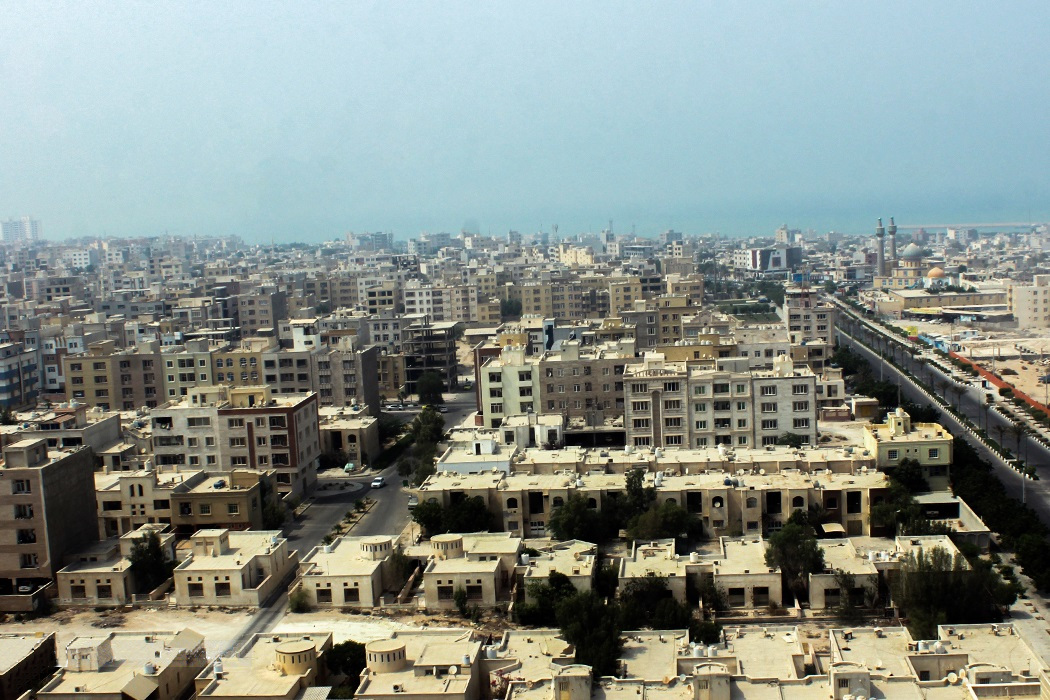
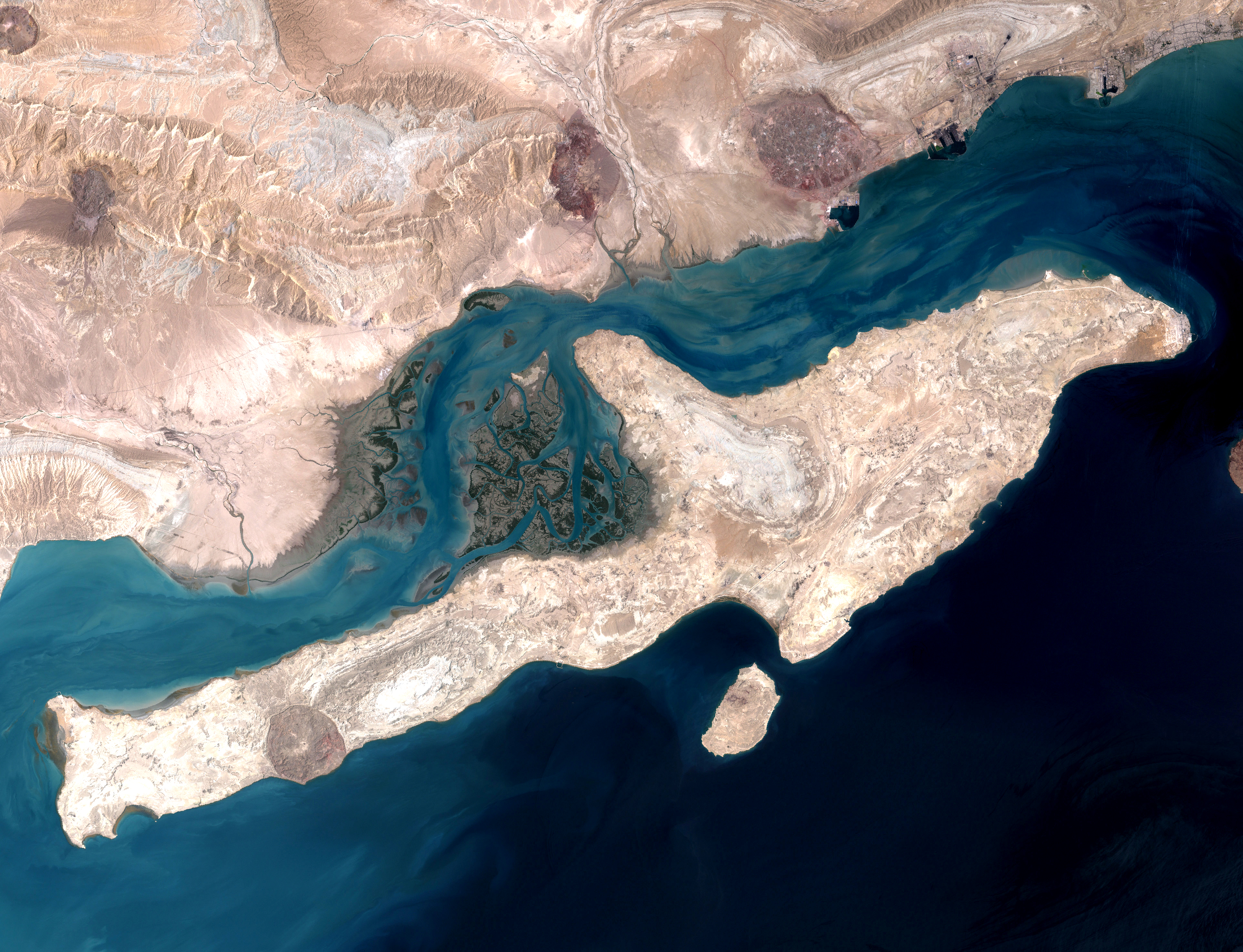
- Iranian state media reported two explosions in the Suza area of Qeshm Island, in the Strait of Hormuz, after the sound of an aircraft was heard over the island.
- State broadcaster IRIB reported an Iranian army statement saying air defence forces had intercepted and destroyed an American MQ-9 drone over Qeshm Island. The United States has not confirmed the loss of a drone.
- US Central Command said the situation was "relatively calm", and announced a reward of up to $20 million, and possible relocation, for information about Iran's nuclear programme.
- The strikes follow US "defensive strikes" on Monday 2 November, when explosions were reported on Qeshm and Hengam islands and near Bandar Abbas. Qatar, which is mediating between Washington and Tehran, says the talks have not failed.
President Donald Trump has confirmed that the United States carried out new strikes on Iran on Friday, targeting an Iranian air defence system on Qeshm Island in the Strait of Hormuz. The confirmation came hours after Iranian state media reported explosions on the island, and the strikes are the first the US has carried out on Iran since his party's defeat in Tuesday's midterm elections.
The strike in numbers
| Measure | Figure | Source |
|---|---|---|
| Explosions reported on Qeshm Island | 2, in the Suza area | Iranian state media (Tasnim / IRNA) |
| US description of the strikes | "Minor" strikes on one air defence system | President Donald Trump |
| Time taken to destroy the system, per Trump | "About 15 minutes, maybe five" | President Donald Trump |
| Reward offered for information on Iran's nuclear programme | Up to $20 million, plus possible relocation | US Central Command |
| Previous US strikes in the area | Monday 2 November, on Qeshm, Hengam and near Bandar Abbas | US military / Iranian media |
What Trump said
Mr Trump spoke to reporters shortly after arriving in West Palm Beach, Florida, on Friday evening. "We do minor strikes," he told them. "They knocked out — they built a little bit of an anti-aircraft device, and we knocked it out in about 15 minutes, maybe five." He gave no further details about the target. US officials have said most of Iran's air defence systems were destroyed or badly damaged during a bombardment by Israel in June 2025 and in the early stages of the current conflict.
Mr Trump also said several times on Friday that his administration was talking to representatives from Tehran. "We're dealing with them now. They want to make a deal," he said. "We've made a lot of progress with Iran," he added, without giving details.

What Tehran reported
Iran's semi-official Tasnim news agency said initial reports indicated that two missiles had struck Qeshm Island, adding that there was no official information on possible damage. The state news agency IRNA had earlier reported that local witnesses said two projectiles had struck the Suza area after the sound of an aircraft was heard over the island.
State broadcaster IRIB also reported an Iranian army statement saying the country's air defence forces had intercepted and destroyed an American MQ-9 drone over Qeshm Island. The United States has not confirmed that a drone was lost. US Central Command, which oversees US military operations in the Middle East, said only that the situation was "relatively calm". A CENTCOM official told Al Jazeera it was aware of the reports and had no further comment.
The wider picture
US Central Command announced late on Friday that the US "is offering a reward of up to $20 million and possible relocation for information about Iran's nuclear program, including its facilities, equipment, and associated personnel". Washington also issued a security alert for Americans in ten Middle Eastern countries, warning of possible armed attacks, airspace closures and widespread travel disruption as tensions rose.
The strikes follow what the US military described as defensive strikes on Monday, when explosions were heard on the islands of Qeshm and Hengam and in the nearby mainland area of Bandar Abbas. Friday's strikes are the first since Mr Trump's Republican Party was dealt a blow in Tuesday's midterm elections. Mr Trump has blamed the election results on the Iran war, and since Tuesday he has shifted between threatening Iran and suggesting that a resolution is near. On Thursday, he said the US may have to "destroy" the rest of Iran, adding that people would "know soon enough" if he acted.
Qatar, which is mediating between Washington and Tehran, dismissed reports on Saturday claiming the negotiations had failed, warning that such claims benefit "only those seeking to prolong the war". Qatar's International Media Office also denied circulating reports that the United States and Iran had failed to reach an agreement to end their war, describing those allegations as false and misleading.

What happens next
Unnamed Pentagon officials and military commanders told The New York Times on Wednesday that thousands of US air and naval forces on more than a dozen ships, and at bases around the Middle East and in the US, were poised to resume major combat operations against Iran on Mr Trump's orders. Tehran has stepped up diplomatic efforts amid suggestions from Mr Trump that the US could resume full-scale strikes. Europe Unfolded will report the next developments as they are confirmed.
Updates & corrections
Published 7 November 2026.
Sources
- Al Jazeera, "Trump confirms new US strikes on Iran's Qeshm Island", 7 November 2026, on Mr Trump's confirmation and his remarks to reporters, the IRIB report of the Iranian army's drone claim, CENTCOM's "relatively calm", the $20 million reward, Qatar's dismissal of reports that the talks had failed, the Thursday threat, and the New York Times report on US forces poised to resume major operations: aljazeera.com
- Reuters, "Two missiles strike Iran's Qeshm Island, Tasnim news agency says", 6 November 2026, on Tasnim's report of two missiles striking Qeshm Island, IRNA's report of witnesses hearing two projectiles in the Suza area, and Qatar's denial of reports that the US and Iran had failed to reach an agreement: reuters.com
- The Hindu, "U.S. military carries out fresh targeted strikes on Iran as Tehran weighs mediator's proposals", 7 November 2026, on the Associated Press account of Mr Trump's remarks, the defensive strikes on Monday 2 November, and the strikes being the first since the midterm elections: thehindu.com
- Mathrubhumi English, "US issues Middle East security alert amid Iran tensions, warns of flight disruptions", 7 November 2026, on the US security alert for Americans in ten Middle Eastern countries, warning of possible armed attacks, airspace closures and travel disruption: english.mathrubhumi.com