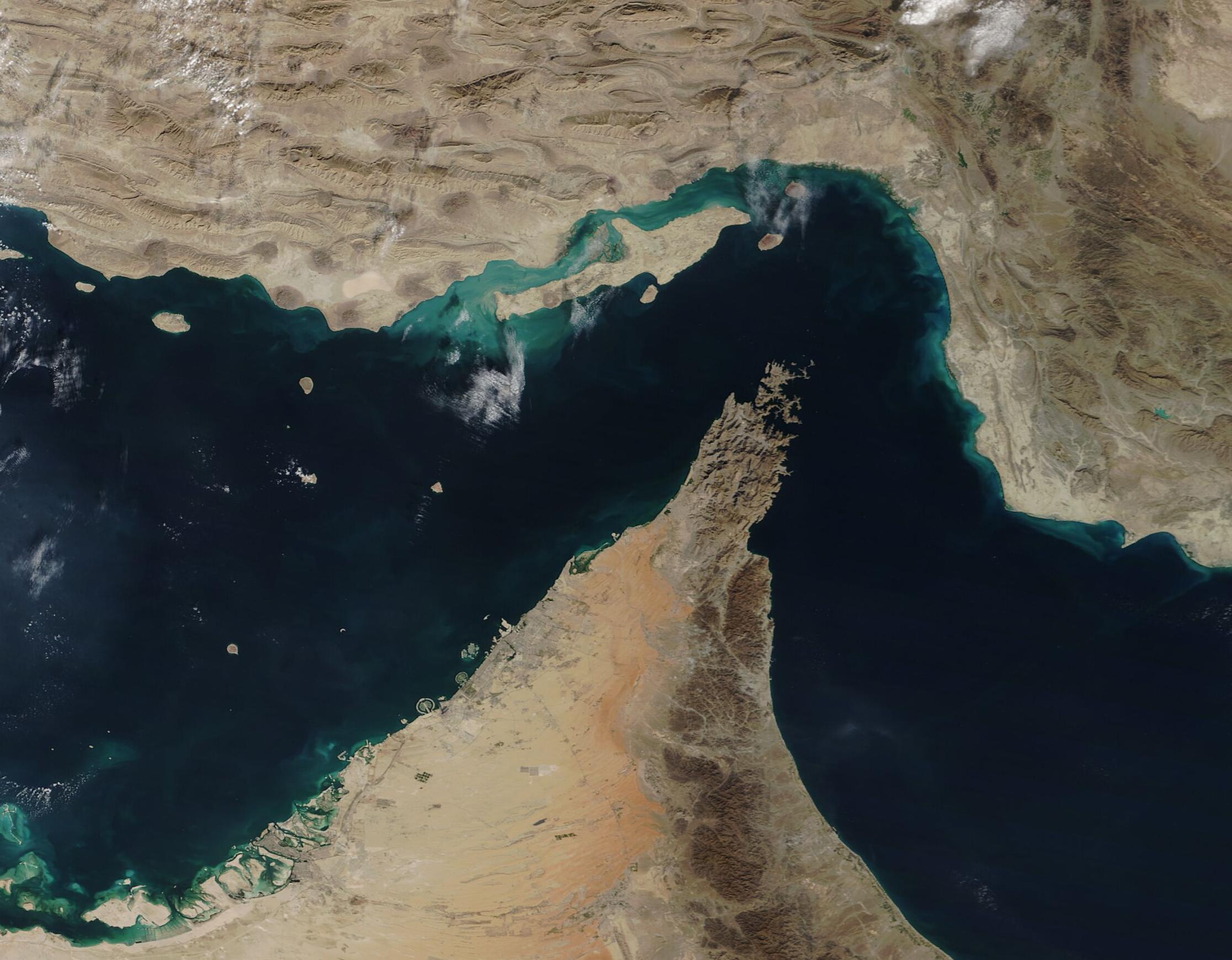
Key points
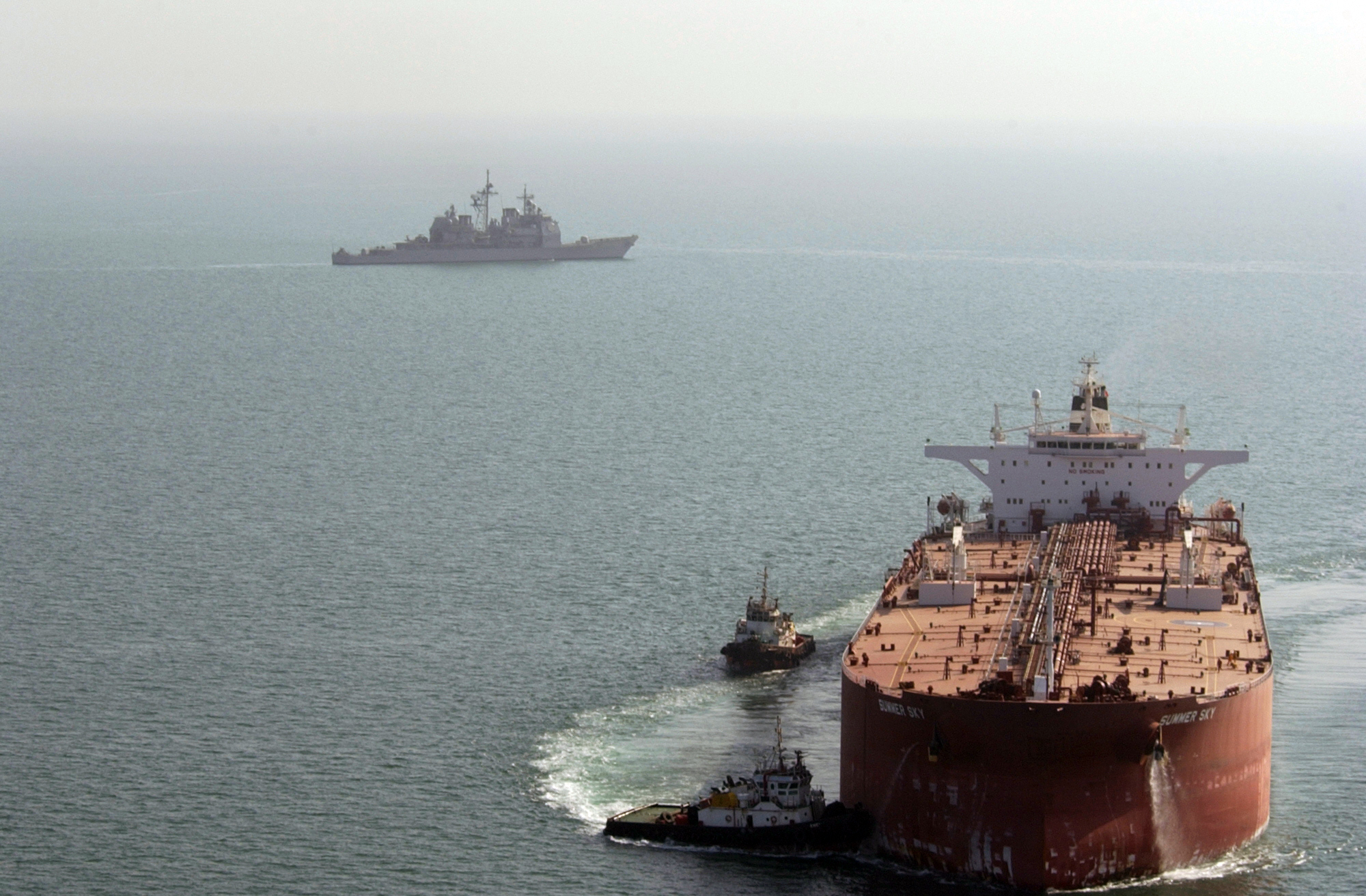
- Iran's Revolutionary Guards (IRGC) said on Thursday, 5 November, that two oil tankers and a tugboat caught fire in separate incidents after attempting to use unauthorised routes through the Strait of Hormuz.
- One tanker struck a mine while attempting to cross a passage south of the strait and was brought to a halt, the Guards told the Fars news agency; a supertanker caught fire while leaving the eastern part of the waterway, and a tugboat that approached to help also caught fire.
- The Guards also said their navy's electronic warfare unit took control of two LUCAS drones — a US-developed model — and brought them down safely.
- No vessel names, nationalities, casualty figures or damage assessments were given, and there has been no independent confirmation of the mine strike or the fires.
- The incidents follow a claim on Wednesday that four tankers had been destroyed after striking mines on a prohibited route, and a separate report from UK Maritime Trade Operations that a tanker was struck by two unidentified projectiles north of Qatar.
Iran's Revolutionary Guards say two oil tankers and a tugboat caught fire in the Strait of Hormuz on Thursday, in the latest incidents in a waterway that has become the sharpest edge of the confrontation between Tehran and Washington. The Guards reported the incidents to the Fars news agency, which is close to the Guards, and the account was carried by Reuters, Agence France-Presse and other outlets on Thursday morning.
The key figures
| Measure | Figure | Source |
|---|---|---|
| Tankers reported on fire on Thursday | 2 | IRGC, via Fars |
| Tugboat reported on fire | 1 | IRGC, via Fars |
| Drones reported seized | 2 LUCAS drones | IRGC, via Fars |
| Tankers the IRGC said were destroyed on Wednesday | 4, with 2 more vessels seized | IRGC |
| Tanker struck off Qatar | 1, hit by 2 unidentified projectiles about 50 nautical miles north of Qatar | UK Maritime Trade Operations |
| Strait's share of global oil consumption | About one-fifth | Agence France-Presse |
| Oil the US says it helped Gulf states export via Hormuz since the summer | 1.5 billion barrels | US Central Command, via AFP |
What the Guards say happened
"Last night, in two separate incidents, a large oil tanker attempting to pass through the illegal passageway south of the Strait of Hormuz suffered a fire after striking a mine and was brought to a halt," the Guards told Fars, as reported by AFP. "Another supertanker was halted by a massive fire while exiting the eastern Strait of Hormuz. A tugboat that had approached the supertanker to extinguish the fire also caught fire."
The Guards said their navy's electronic warfare unit had also taken control of two LUCAS drones — the Low-cost Uncrewed Combat Attack System, a US-developed model — and brought them down safely, seizing them. Fars reported the drone claim alongside the tanker incidents, and Iran's state news agency IRNA carried the same account.
What the Guards did not say matters as much as what they did. They named none of the three vessels, gave no nationalities, no crew numbers and no casualty figures, and gave no account of the extent of the damage. As of Thursday morning, there was no independent confirmation of the mine strike, the fires, or the drone seizures.

A second incident reported off Qatar
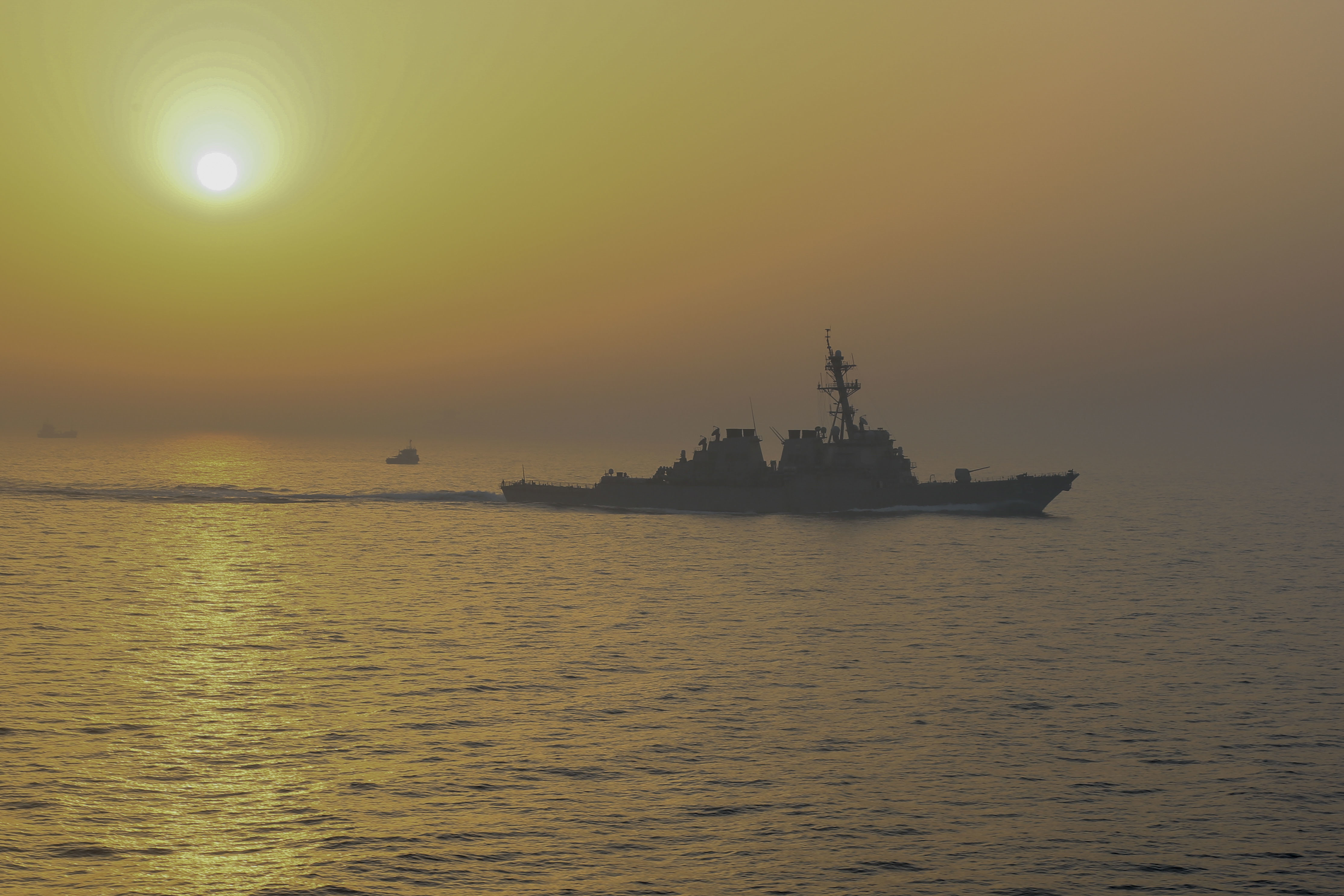
Separately, a tanker was struck by two unidentified projectiles about 50 nautical miles north of Qatar's Madinat ash Shamal, United Kingdom Maritime Trade Operations said on Thursday, dating the incident to 11:20 p.m. UTC on Wednesday, 4 November. The status of the crew and the damage assessment were unconfirmed, UKMTO said, in a report carried by Reuters.
The two reports follow a claim from the Guards a day earlier, on Wednesday, that four oil tankers had been destroyed after striking naval mines while attempting to use a prohibited route south of the strait, and that two other vessels had been seized. That claim, too, was attributed only to the Guards, with no independent confirmation reported.
Why the strait matters

The Strait of Hormuz is the narrow passage between the Persian Gulf and the Gulf of Oman, and the route through which about one-fifth of the world's oil normally passes, according to AFP. Since the war with Iran began on 28 February, Tehran has severely restricted traffic through it, and the United States has in response imposed a blockade on Iranian ports and helped tankers travel the strait. US Central Command said last month that it had helped Gulf countries export 1.5 billion barrels of oil via Hormuz since the summer, AFP reports.
Qatar, one of the mediators trying to calm the confrontation between Washington and Tehran, has urged Iran to stop threatening Gulf states and reopen the strait. Read more: Qatar tells Iran to show good intentions as Hormuz shipping row sharpens. Tehran has also threatened legal action against the South Korean shipping line Sinokor, which its strait authority says committed the highest number of crossing violations in the past three months.
What happens next
Neither the Guards nor any other authority has yet identified the vessels involved in Thursday's incidents, and no casualty or damage figures have been released. Europe Unfolded will report any confirmation of the fires, the identities of the vessels, or any response from Washington and the Gulf states as they are confirmed.
Updates & corrections
Published 5 November 2026.
No updates or corrections have been made to this article since publication.
Sources
- Reuters, via The Business Times, "Iran's IRGC says two tankers and tugboat caught fire in Hormuz", 5 November 2026, on the IRGC statement, the mine strike south of the strait, the supertanker fire in the east and the tugboat catching fire: businesstimes.com.sg
- Agence France-Presse, via Gulf Today, "Two tankers, tugboat caught fire in Hormuz", 5 November 2026, on the Guards' account to Fars, the two LUCAS drones, the war since 28 February, the strait's share of global oil consumption, the US blockade and the 1.5 billion barrels exported with US help: gulftoday.ae
- Reuters, via The Jerusalem Post, "IRGC says ships caught fire after unauthorized routes through Hormuz", 5 November 2026, on the UK Maritime Trade Operations report of a tanker struck by two unidentified projectiles north of Qatar on 4 November: jpost.com
- IRNA, "IRGC: Two oil tankers, tugboat catch fire in Strait of Hormuz; two LUCAS drones seized", 5 November 2026, the IRGC statement as carried by Iran's state news agency: en.irna.ir
- AnewZ, "Oil tanker hits mine as fires erupt in Strait of Hormuz", 5 November 2026, on the absence of casualty and damage details and the IRGC's 4 November claim that four tankers had been destroyed: anewz.tv