Key points
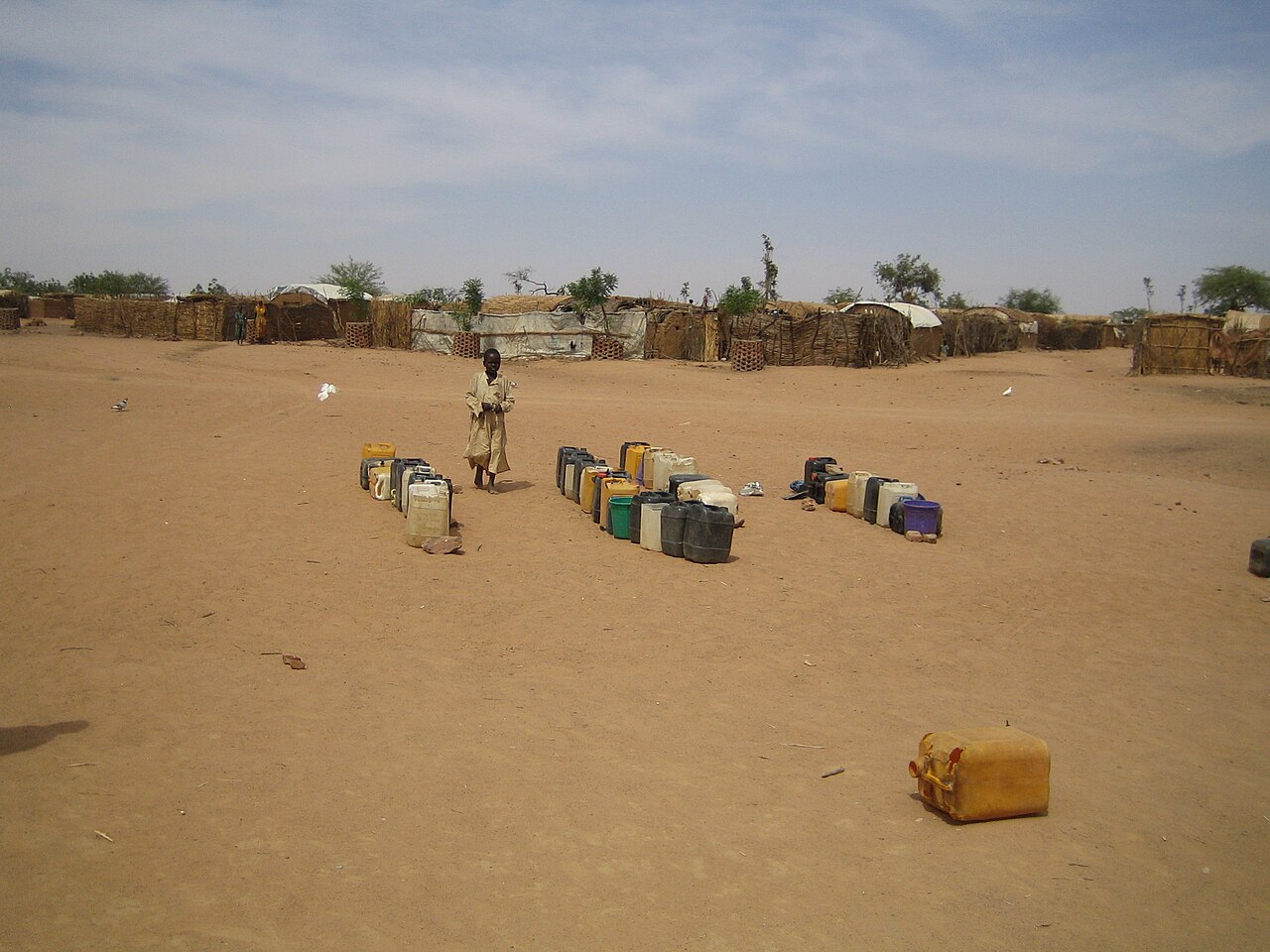
- Nearly 90 million forcibly displaced people live in countries highly exposed to drought, flood and extreme heat — almost three in four of all displaced people — according to a report from UNHCR, the UN refugee agency, released on Friday 6 November.
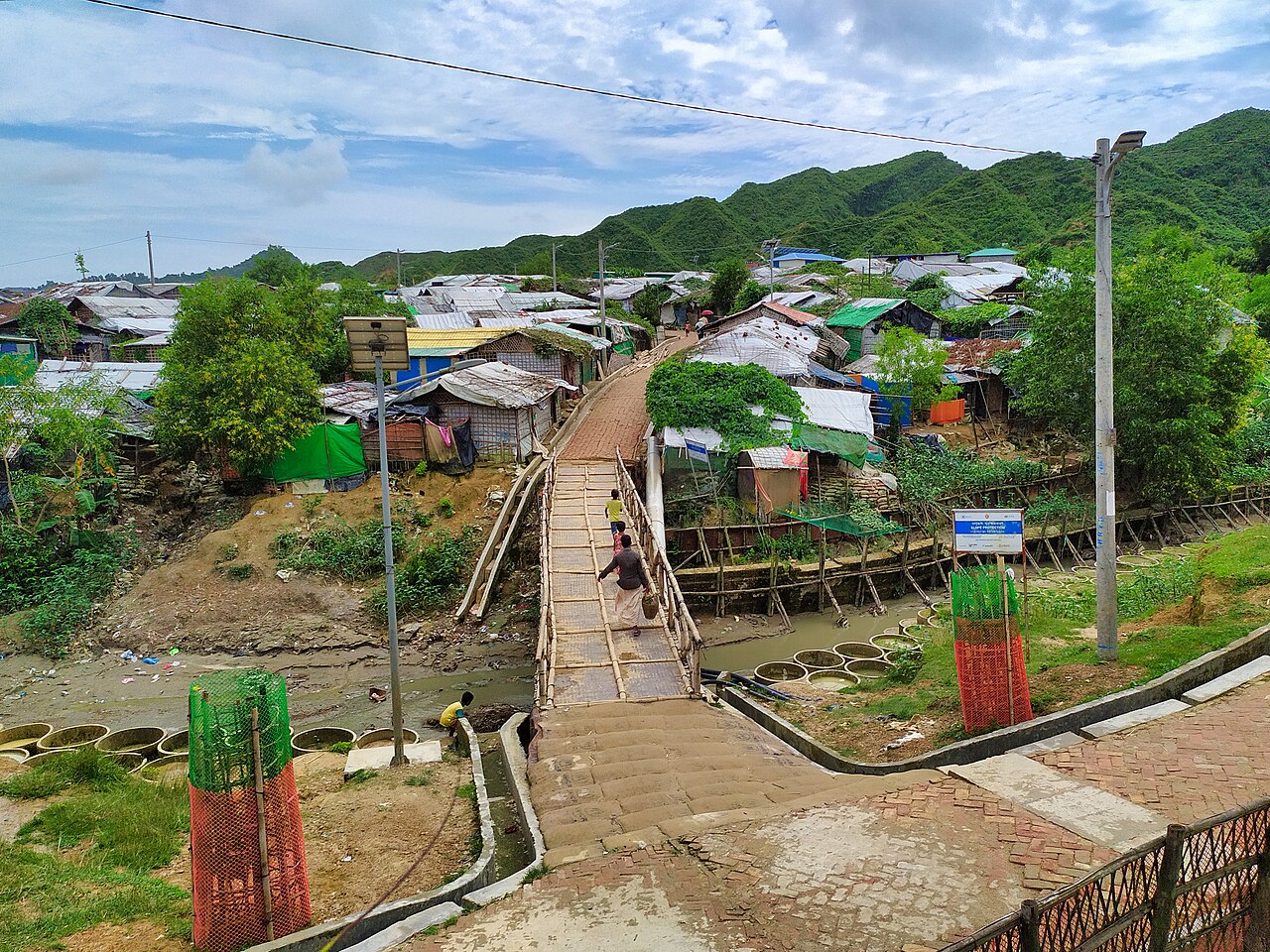
- Afghanistan and Bangladesh are among the countries the report names as most severely exposed, Reuters reported. "Refugees face a double injustice," said Anton Leis Garcia, UNHCR's Assistant High Commissioner for Operations.
- More than two-thirds of the refugees who returned home in the first half of 2026 went back to countries highly exposed to climate hazards; in Syria, where nearly four million displaced people have recently returned, families face worsening water scarcity and erratic rainfall.
- By 2050, one in three refugee settlements in sub-Saharan Africa could face at least 100 days of dangerous heat each year, and only about 10% of global climate finance reaches fragile and conflict-affected countries. UNHCR is urging governments meeting at COP31 in Antalya, Türkiye, on 9–20 November to include refugees in national climate plans and funding.
Nearly 90 million people forced from their homes by war, violence and persecution now live in countries where drought, flood and extreme heat threaten their safety, the United Nations refugee agency has warned, in a report released on Friday, days before governments gather for the COP31 climate summit. Read more: Sudan files UN complaint against Ethiopia over drone attacks it says killed or wounded 484 civilians
"Refugees face a double injustice," Anton Leis Garcia, UNHCR's Assistant High Commissioner for Operations, said in a statement carried by the agency. The report finds that almost three in four of the world's forcibly displaced people live in countries the agency classes as highly exposed to climate hazards, with Afghanistan and Bangladesh named among the most severely exposed, Reuters reported.
Returns that lead back into danger
The danger follows people home, too. More than two-thirds of the refugees who returned in the first half of this year went back to countries highly exposed to climate hazards, placing them at risk of renewed displacement, the report says. In Syria, where nearly four million displaced people have recently returned, people face worsening water scarcity and erratic rainfall, while flooding along the Euphrates River in May damaged homes and displaced thousands more.
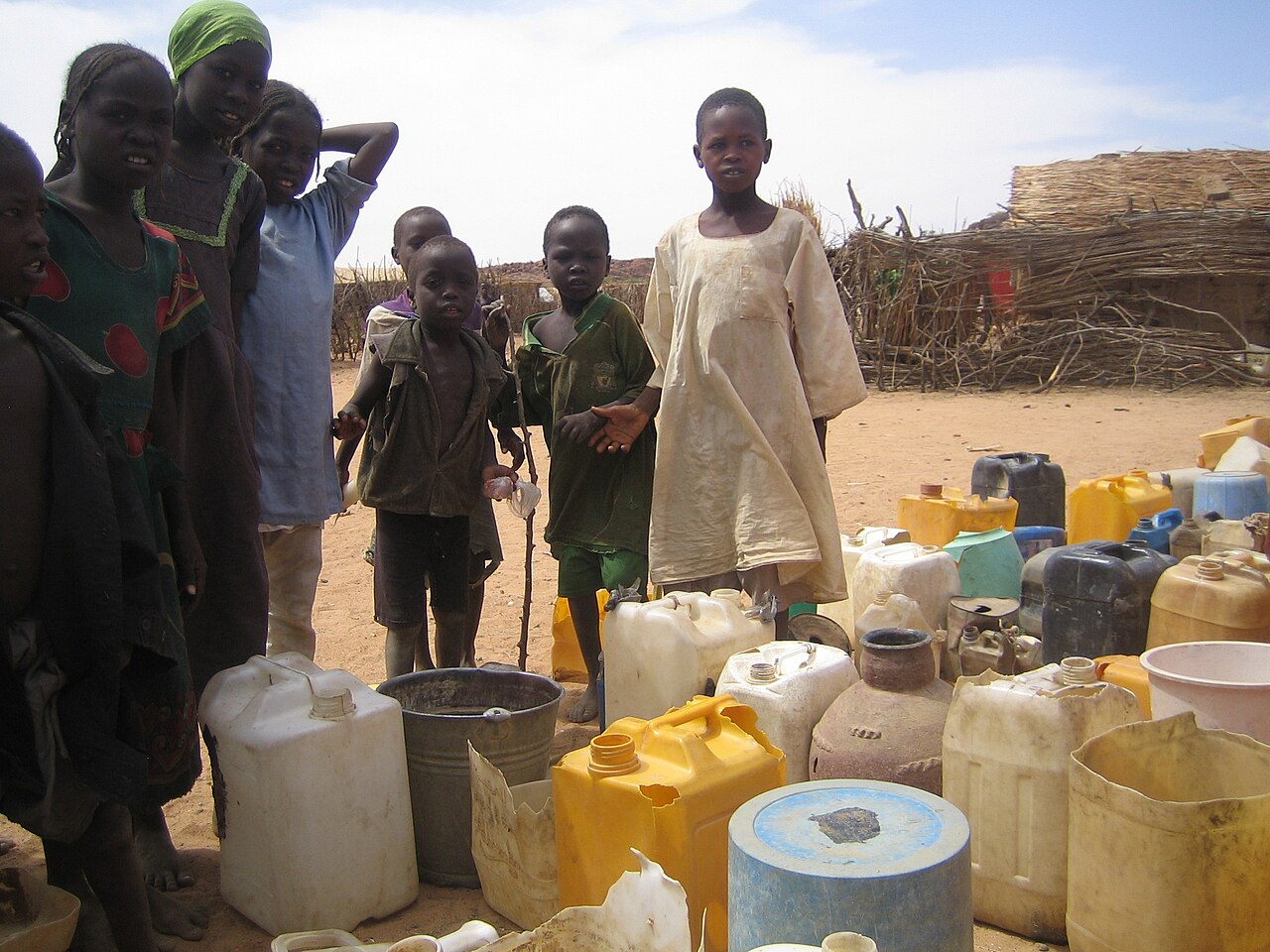
Over the past decade, more than 255 million internal displacements worldwide were recorded as a result of weather-related events, including floods and droughts, according to UNHCR. The report highlights the experience of a Sudanese refugee who fled conflict in al-Fashir in June 2023 to the Farchana refugee settlement in eastern Chad.

The key figures
| Measure | Figure | Source |
|---|---|---|
| Forcibly displaced people in countries highly exposed to climate hazards | Nearly 90 million | UNHCR, via Reuters |
| Share of all forcibly displaced people in highly exposed countries | Nearly three-quarters | UNHCR, via Reuters |
| Refugee returns in the first half of 2026 to highly exposed countries | More than two-thirds | UNHCR, via Reuters |
| Displaced people who recently returned to Syria | Nearly 4 million | UNHCR, via Reuters |
| Internal displacements from weather-related events over the past decade | More than 255 million | UNHCR |
| Refugee settlements in sub-Saharan Africa facing 100+ days of dangerous heat a year by 2050 | One in three | UNHCR, via Reuters |
| People who could be displaced by severe flooding in East Africa by the end of 2026 | Up to 3 million | UNHCR, via Reuters |
| Share of global climate finance reaching fragile and conflict-affected countries | About 10% | UNHCR, via Reuters |
| Annual adaptation funding rich countries fall short of, per a separate UN report on 4 November | $305 billion | UN, via Reuters |
What the agency is asking for
UNHCR is calling on governments and climate-finance institutions meeting at COP31 to include refugees and other displaced populations in national climate plans and funding arrangements. Only about 10% of global climate finance reaches fragile and conflict-affected countries that host large populations exposed to climate risks, the agency said. A separate UN report published on Wednesday found rich countries were falling well short of the $305 billion needed each year to help developing nations adapt to climate change, Reuters reported.
The agency also warned that a forecast exceptionally strong El Niño could worsen climate-related risks in many refugee-hosting countries and trigger further displacement. In East Africa, severe flooding could displace up to three million people in Somalia, Kenya, South Sudan and Uganda by the end of 2026, UNHCR said.

What happens next
COP31, the 31st UN Climate Change Conference, takes place in Antalya, Türkiye, from 9 to 20 November, where governments, climate negotiators, international organisations and civil society groups are expected to discuss measures to address climate change and support countries facing its effects. Europe Unfolded will report developments as they are confirmed.
Updates & corrections
Published 6 November 2026.
No updates or corrections have been made to this article since publication.
Sources
- Reuters (via The Straits Times), "90 million displaced people at risk from climate threats, UN refugee agency says", 6 November 2026, on the nearly 90 million figure, the three-quarters share, Afghanistan and Bangladesh, the Syria returns, the 2050 heat warning and the El Niño warning: straitstimes.com
- Agence France-Presse (via The Manila Times), "Nearly 90M displaced facing severe climate risks — UN", 6 November 2026, corroborating the report's findings and the call for urgent action: manilatimes.net
- Reuters (via BusinessWorld), "90 million displaced people at risk from climate threats, UN refugee agency says", 6 November 2026, on the Farchana example, the returns figures and the 10% climate-finance share: bworldonline.com
- Reuters (via the Daily Monitor), "90 million displaced people at risk from climate threats, UN refugee agency says", 6 November 2026, corroborating the COP31 call and the 2050 heat warning: monitor.co.ug
- Reuters (via bdnews24), "90 million displaced people at risk from climate threats, UN refugee agency says", 6 November 2026, corroborating the report's findings: bdnews24.com