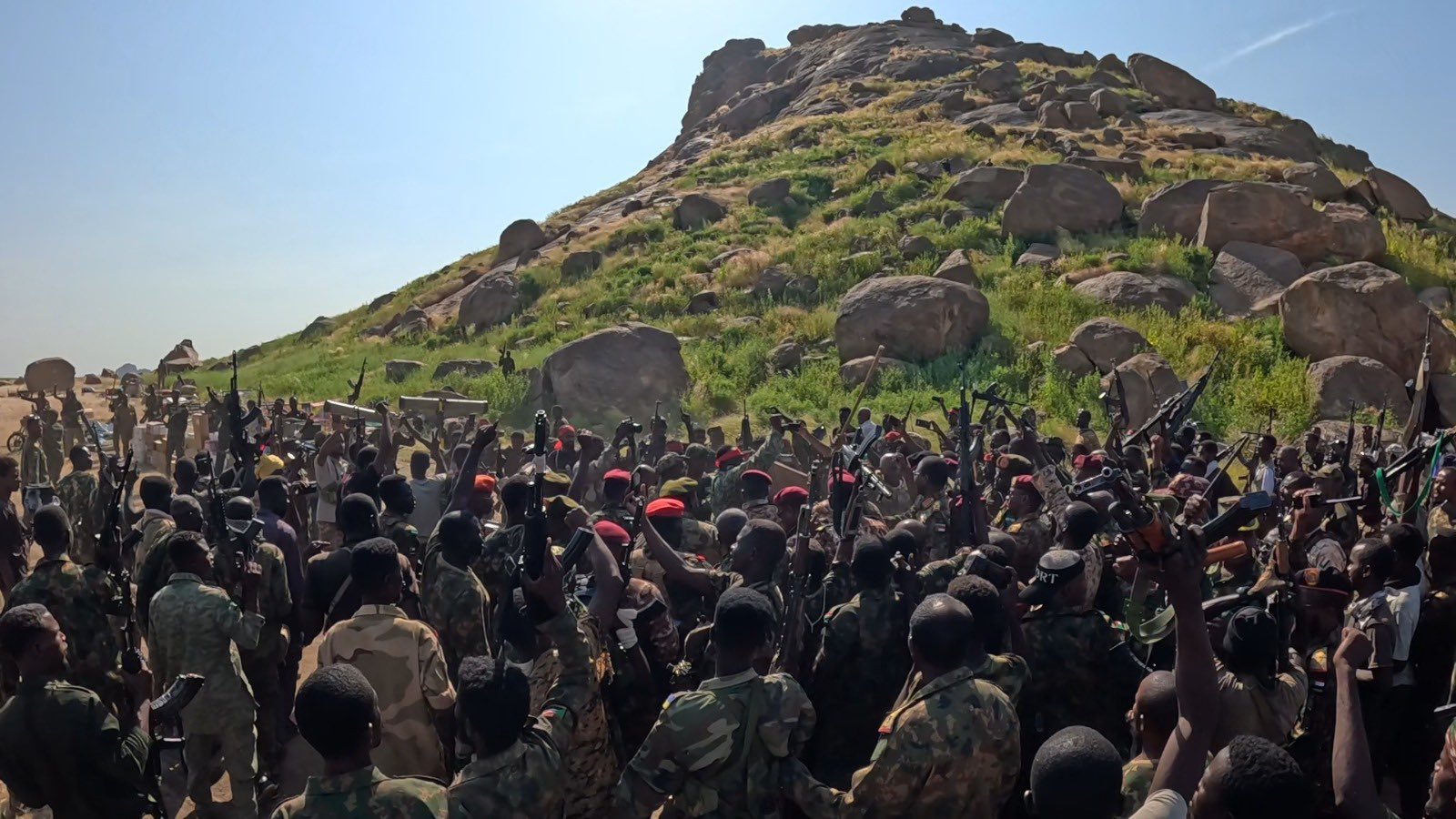
Key points
- Sudan has filed formal complaints with the UN Security Council and the African Union's Peace and Security Council, accusing the Rapid Support Forces of launching drone strikes from Ethiopian territory.
- A report from Sudan's army-led Transitional Sovereignty Council says 70 attacks between 15 February and 27 October involved 187 one-way attack drones, killing or wounding 484 civilians.
- The report names three alleged launch areas: Asosa airport in western Ethiopia, the Kurmuk-Gizen border area and Bahir Dar airbase in the Amhara region.
- Ethiopia has denied previous accusations that it supports the Rapid Support Forces and has not yet responded to this latest complaint; strikes on Sudanese power stations continued into Monday.
Sudan has taken its neighbour to the world's top tables over a drone war it says is being flown from Ethiopian soil. In a foreign ministry statement issued on Sunday, Khartoum lodged formal complaints with the United Nations Security Council and the African Union's Peace and Security Council, accusing the paramilitary Rapid Support Forces of using Ethiopian territory to launch explosive-laden drones against civilian sites and power stations. The ministry called the alleged use of Ethiopian territory "brazen aggression" and said it placed Ethiopia "before international law". Read more: Dozens of Somali soldiers killed in al-Shabaab battle as accounts of the fighting diverge
The complaint is the sharpest escalation yet of a charge Sudan's military has levelled repeatedly since its civil war with the Rapid Support Forces began in April 2023: that Ethiopia enables the paramilitary group. What is new is the formal filing, and the detailed report behind it, which puts numbers, dates and named locations to an accusation that had previously been made in general terms.
What Sudan filed
The foreign ministry's statement says the Rapid Support Forces used Ethiopian territory to strike "civilian sites and power stations", causing casualties and disrupting essential services. It describes the alleged use of Ethiopian territory as a hostile act and accuses Ethiopia of violating the UN Charter. Sudan said it reserved its right to self-defence under international law, according to coverage of the statement.
The filing went to two bodies at once: the Security Council in New York, which carries the authority to act on threats to international peace, and the African Union's Peace and Security Council, the continent's own security organ. Sudan's military has fought the Rapid Support Forces since April 2023, a war that has killed tens of thousands of people and displaced around 13 million, according to UN estimates cited in coverage of the complaint.
The report's numbers
| Measure | Figure | Source |
|---|---|---|
| Alleged drone attacks documented | 70 | Transitional Sovereignty Council report, 15 February to 27 October 2026 |
| One-way attack drones involved | 187 | Transitional Sovereignty Council report |
| Civilians killed or wounded | 484 | Transitional Sovereignty Council report |
| Soldiers killed | 176 | Transitional Sovereignty Council report |
| Soldiers wounded | 200 | Transitional Sovereignty Council report |
| Electricity stations targeted in the past week | 15 | Local sources, via Anadolu Agency |
| People killed in drone attacks, first half of 2026 | More than 1,100 | United Nations, via Kuwait Times |
The report, released on Sunday by the advisory council of Sudan's army-led Transitional Sovereignty Council, says the 70 attacks ran from 15 February to 27 October and involved 187 one-way attack drones. It says the attacks killed or wounded 484 civilians, killed 176 Sudanese soldiers and wounded 200 more, and struck residential complexes, hospitals and power and fuel stations.
Three launch areas are named: Asosa airport in western Ethiopia, the Kurmuk-Gizen border area and Bahir Dar airbase in the north-western Amhara region. Those locations, and the casualty counts, are Sudan's claims, documented in its own report — they have not been independently verified, and Ethiopia has not accepted them.
Ethiopia's position
Ethiopia has denied previous accusations that it supports the Rapid Support Forces, and there was no immediate Ethiopian response to the latest complaint, according to coverage of the filing. Addis Ababa has in turn accused the Sudanese army of backing rebels linked to the Tigray People's Liberation Front, a claim Khartoum rejects. The Rapid Support Forces generally do not comment on accusations of this kind.

That exchange of denials frames the dispute: each side accuses the other of harbouring its enemy, and neither has produced evidence the other accepts. The complaint now puts the question to two international bodies, but a filing is not a finding — the Council and the African Union have yet to take it up in public.
What the UN said
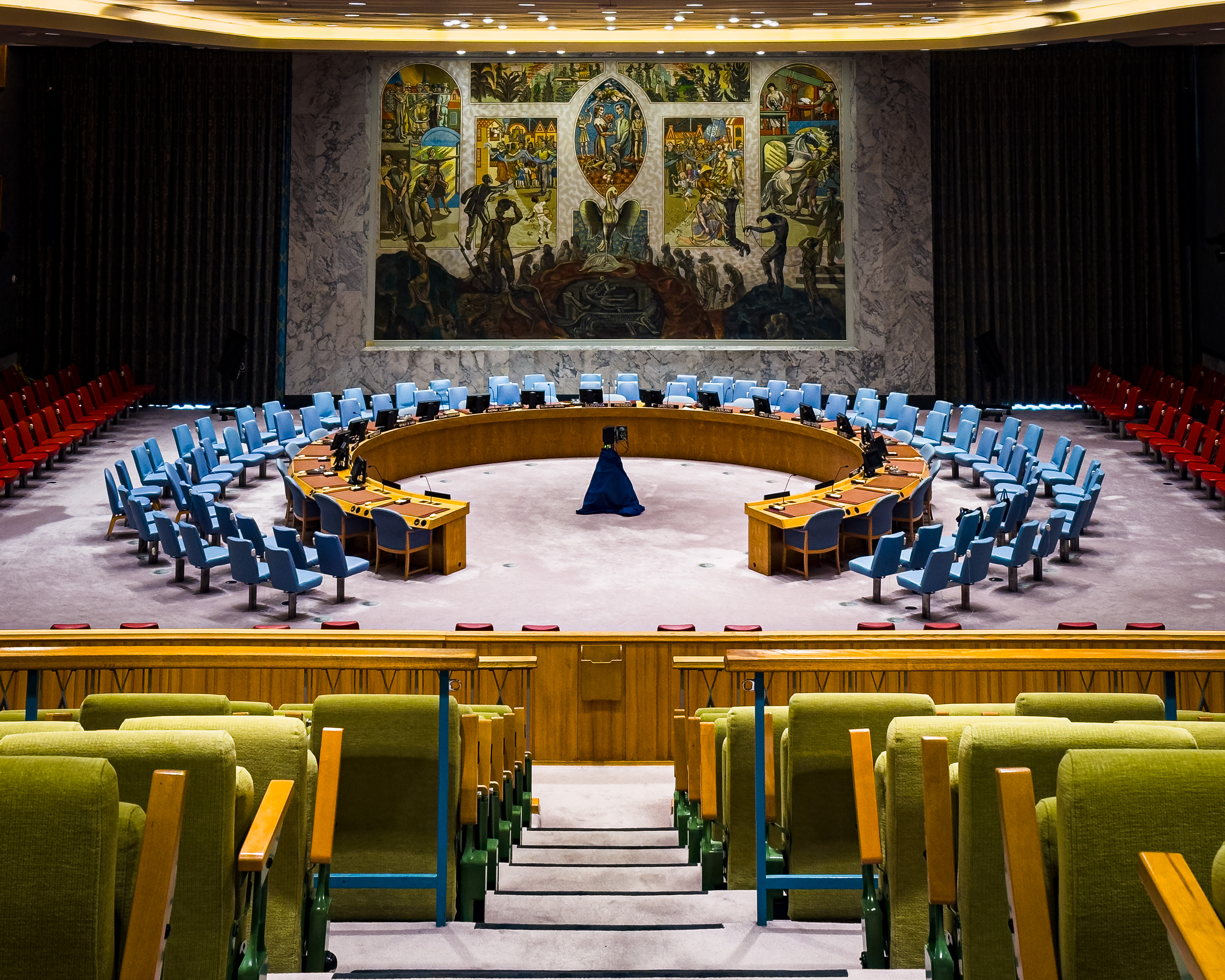
Two days before the complaint, the United Nations had already weighed in on the drone war itself. A spokesman for Secretary-General António Guterres said on Saturday that he was "appalled" by the impact of drone strikes in Sudan, days after a strike on a market in Rapid Support Forces-controlled territory in Darfur killed more than 100 people, Al Jazeera reported. The Secretary-General "strongly condemns the escalating drone attacks in Sudan by the parties to the conflict and the catastrophic toll these attacks are inflicting on civilians", the spokesman said, adding that the strikes constitute violations of international humanitarian law.

The United Nations has separately put the wider toll of drone attacks in Sudan at more than 1,100 people killed in the first half of the year, according to Kuwait Times. That figure covers drone attacks by all parties to the conflict, not only the cross-border strikes Sudan attributes to Ethiopia.
What happens next
The immediate question is whether Ethiopia answers the complaint, and whether either body takes it up. Neither the Security Council nor the African Union's Peace and Security Council had publicly responded at the time of publication, and a complaint of this kind can sit for weeks before it is scheduled, debated or dismissed.
Meanwhile the strikes at the heart of the complaint have not stopped. Early on Monday, drones hit electricity substations in Aroma and New Halfa in the eastern state of Kassala, causing widespread power cuts, local sources told Anadolu Agency. On Sunday, drones had targeted substations at Abu Hamad in River Nile state and al-Dabbah in Northern state. Local sources put the number of electricity stations targeted across Sudan in the past week at 15, spanning Khartoum, Gezira, Sennar, Red Sea, Gedaref, Kassala and River Nile states — a campaign against the grid that, for Sudanese civilians, is now the most visible front of the war.
Updates & corrections
Published 2 November 2026.
No updates or corrections have been made to this article since publication.
Sources
- Al Jazeera, "Sudan files complaints against Ethiopia with UN over deadly drone spree", 2 November 2026, on the complaints to the Security Council and the African Union, the ministry's "brazen aggression" wording, the report's figures and named launch sites, and the UN spokesman's Saturday remarks: aljazeera.com
- Kuwait Times, "Sudan complains to UN Security Council over drone attacks from Ethiopia", 2 November 2026, on Ethiopia's denials and counter-accusation over Tigray-linked rebels, and the United Nations' first-half death toll of more than 1,100: kuwaittimes.com
- Türkiye Today, "Drone strikes plunge eastern Sudan into darkness as attacks on power grid intensify", 2 November 2026, on the Monday strikes on the Aroma and New Halfa substations, the 15 electricity stations targeted in the past week, and Sudan's reservation of its right to self-defence: turkiyetoday.com
- The Nation, "Drone attacks hit 2 power stations in eastern Sudan, trigger widespread outage", 2 November 2026, on the Sunday strikes on the Abu Hamad and al-Dabbah substations, the war's toll of tens of thousands dead and around 13 million displaced, and the Rapid Support Forces' general silence on such accusations: nation.com.pk
- Yeni Şafak, "Sudan lodges UN, AU complaints against Ethiopia over drone attacks", 2 November 2026, on the ministry's accusation that Ethiopia violated the UN Charter and on the electricity stations struck since the previous Monday: yenisafak.com