Key points
- Russia vetoed a US-drafted resolution on Western Sahara on Friday 30 October 2026, Reuters reported. It won 11 votes in favour, with Russia against and China, Pakistan and Somalia abstaining.
- The US draft would have made Morocco's autonomy proposal the sole basis for negotiations, renamed the UN mission MINURSO to MINUSO, and extended its mandate to 31 October 2027.
- Russia's rival draft — a simple one-year extension with no change to the mission's name or mandate — then won only three votes, with 11 abstentions and the United States against, and failed.
- The mission's mandate expires on 31 October 2026 under Resolution 2797, adopted on 31 October 2025; the veto does not overturn that resolution, which remains the Council's framework.
- No new resolution was adopted. Reported next steps include a short technical extension or a revised US draft, and a General Assembly meeting must follow a veto within ten working days.
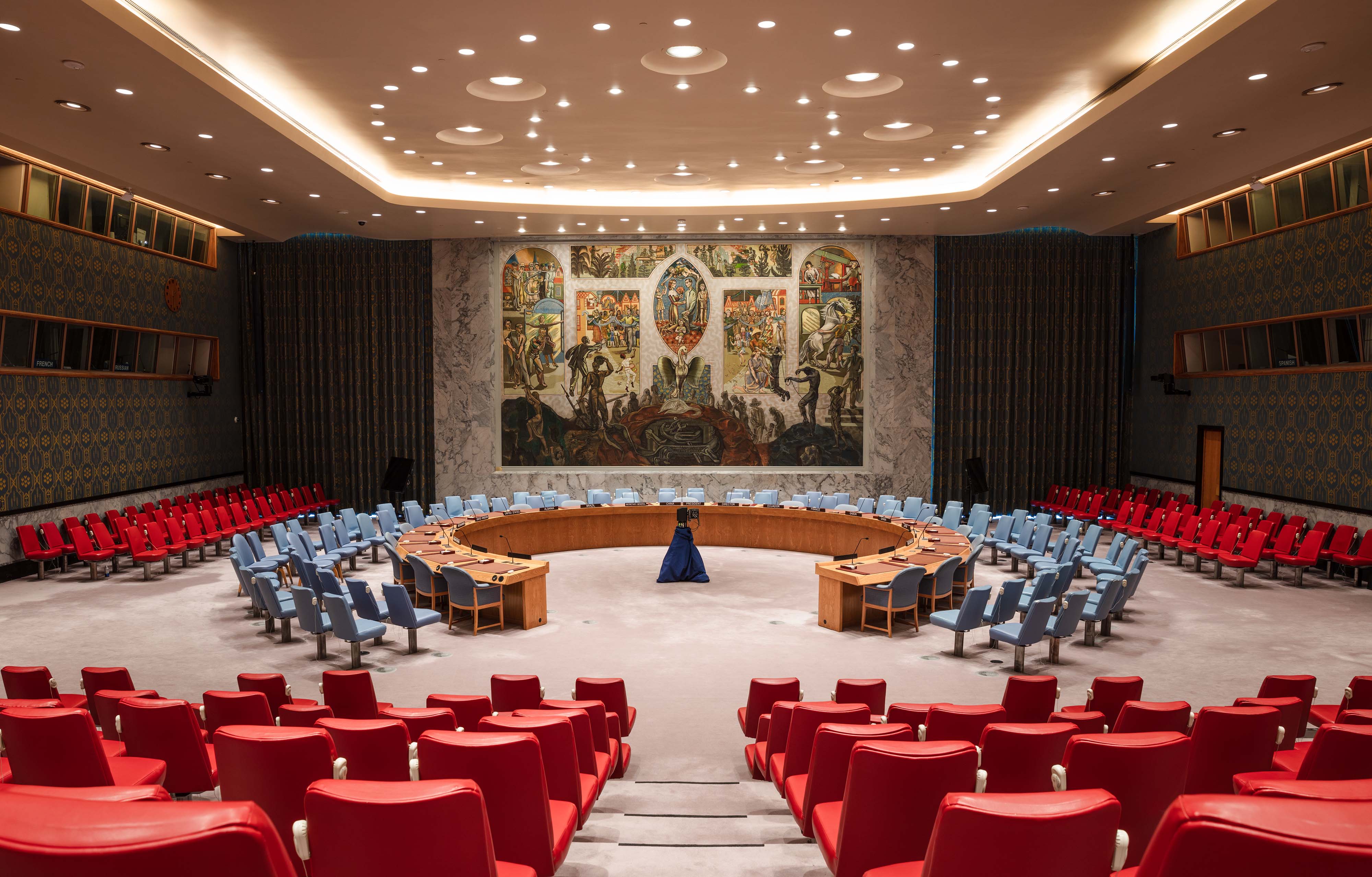
The United Nations Security Council voted twice on Western Sahara on Friday and adopted neither text, leaving the future of the UN mission in the territory undecided on the day its mandate runs out. The United States draft was put to the vote first: 11 of the Council's 15 members supported it, but Russia's negative vote, as a permanent member, blocked it. Greece's Ambassador Aglaia Balta, who holds the Council presidency, announced that the draft "has not been adopted owing to the negative vote of a permanent member of the Council", Morocco World News reported. Read more: UN votes 130–17 to condemn US embargo on Cuba for a 34th year
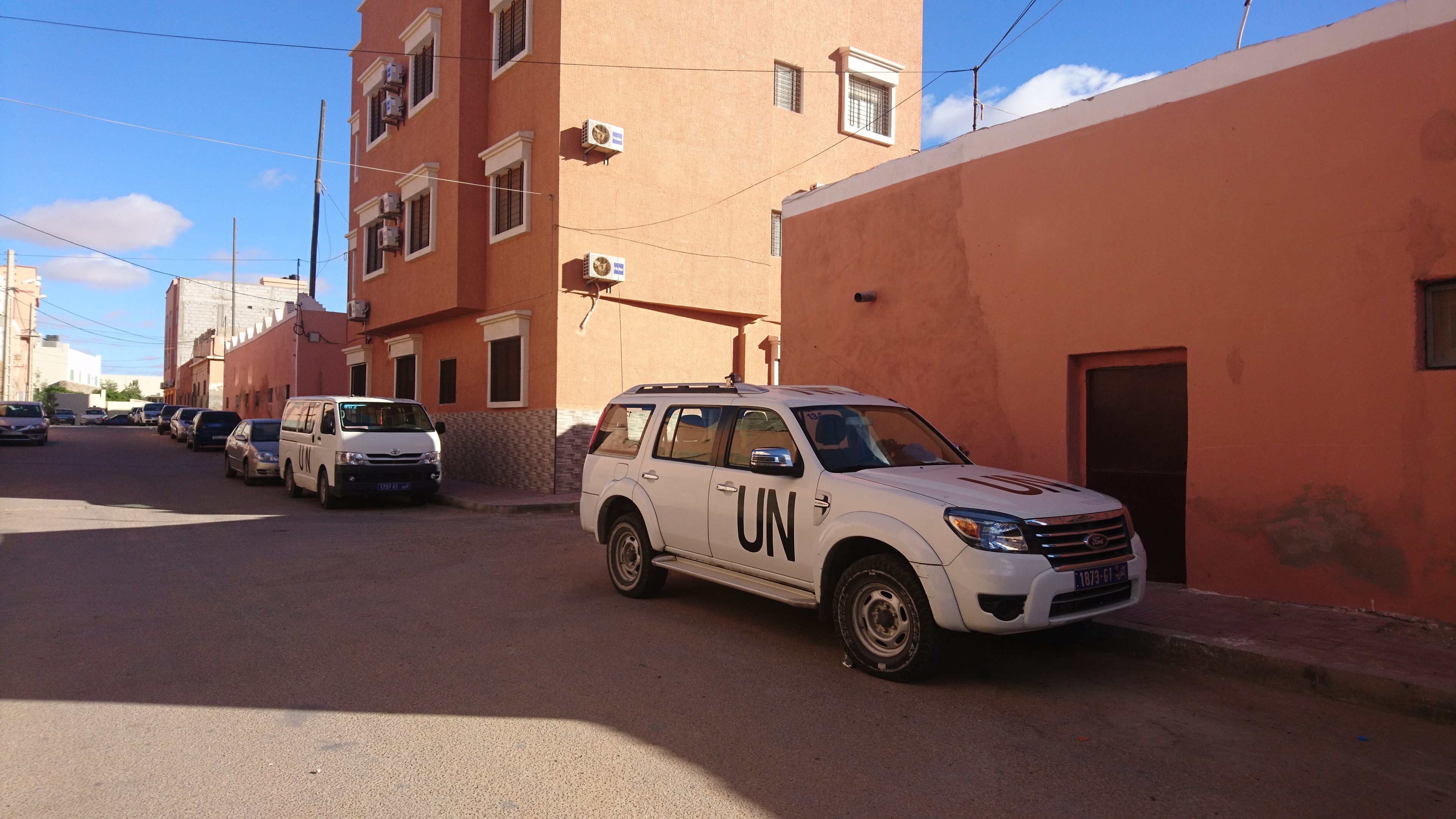
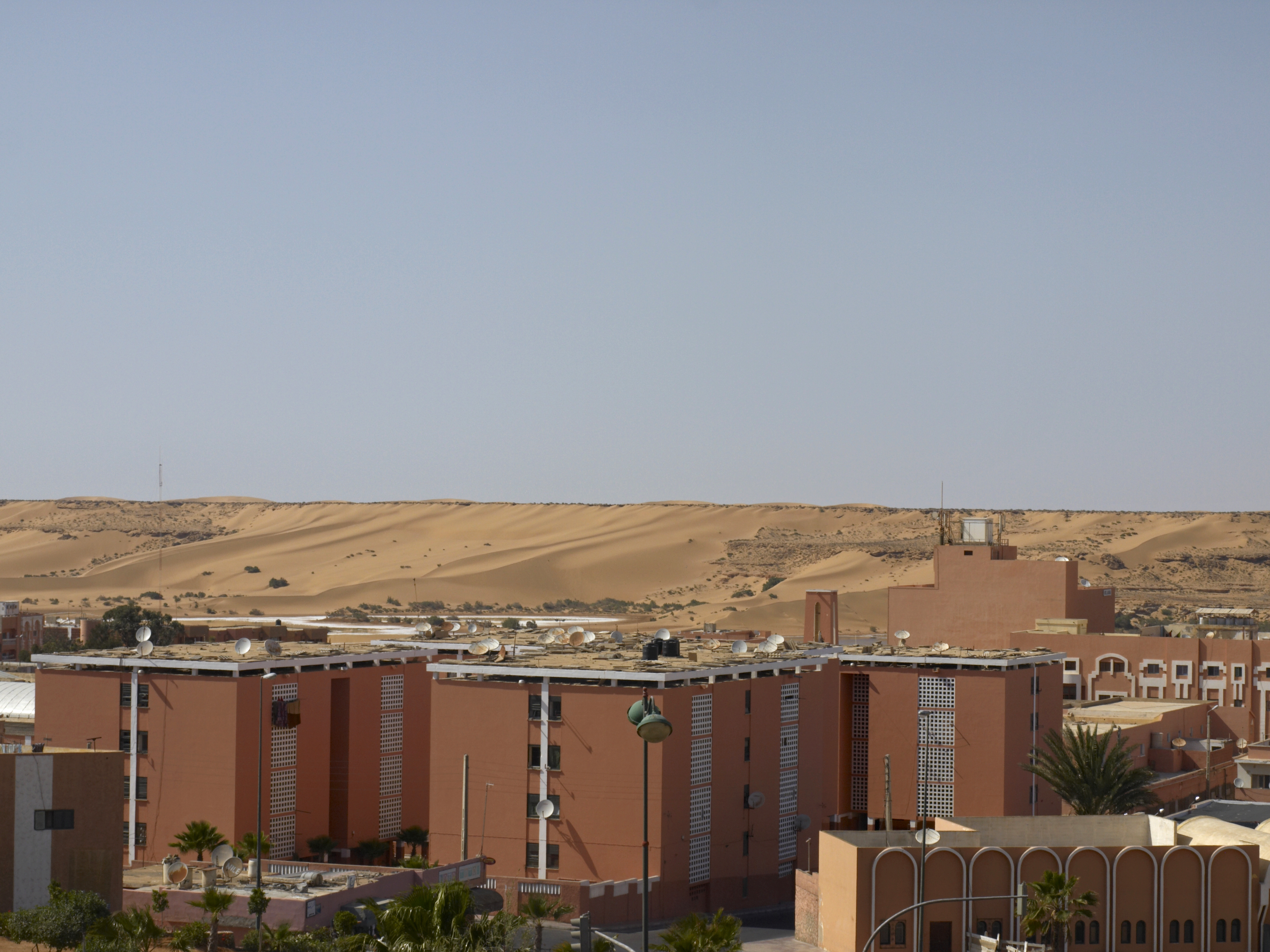
The double failure matters because the file is not normally a battleground. Reuters described the session as an unusual showdown among major powers on a file long considered procedurally routine at the Council. At stake is MINURSO, the UN Mission for the Referendum in Western Sahara, which has operated in the territory since 1991, and the political framework for a dispute in which Morocco proposes autonomy under its sovereignty while the Polisario Front seeks a self-determination referendum.
The key figures
| Measure | Figure | Source |
|---|---|---|
| US draft: votes in favour | 11 of 15 | Reuters, Le360, Morocco World News, Hespress |
| US draft: votes against / abstentions | 1 against (Russia, a veto); 3 abstentions (China, Pakistan, Somalia) | Reuters, Le360, Morocco World News, Hespress |
| Russian draft: votes in favour | 3 (Russia, China, Somalia) | Le360, Morocco World News |
| Russian draft: abstentions / against | 11 abstentions; 1 against (United States) | Le360, Morocco World News |
| Votes needed for adoption | 9 of 15, with no veto by a permanent member | Le360 |
| MINURSO mandate expiry | 31 October 2026, under Resolution 2797 (31 October 2025) | Le360, Morocco World News |
What the US draft would have done
The American text, circulated as the penholder's draft on the file, would have gone well beyond a routine renewal. It would have established that genuine autonomy under Moroccan sovereignty is the most feasible solution and named Morocco's autonomy proposal as the only basis for negotiation, Morocco World News reported. It would have renamed the mission from MINURSO to MINUSO, removing the reference to a referendum from its name with effect from 1 November, and extended its mandate to 31 October 2027. Reuters reported that it would also have scaled back the mission's military component. Morocco World News reported that the text also condemned the 5 May 2026 attack on the town of Smara.

Washington argued its case bluntly after the vote. US Ambassador Mike Waltz said a self-determination referendum "will not happen", Morocco World News reported, arguing that the United Nations itself had abandoned that path decades ago. The American position is that Resolution 2797, adopted in October 2025, already established Morocco's autonomy proposal as the basis for negotiations — and the new draft would have hardened that into the sole basis.
What Russia's draft would have done — and why it failed
Moscow's answer, tabled after its veto, was the opposite approach: a short text that would simply have extended MINURSO's mandate for another year, to 31 October 2027, without changing its name or its responsibilities, Reuters reported. Morocco World News described it as a document of just one page. It won the votes of Russia itself, China and Somalia — and nothing else. Britain and France, both permanent members, abstained, as did Bahrain, Colombia, Denmark, Greece, Latvia, Liberia, Panama, Pakistan and the Democratic Republic of the Congo, Le360 reported. The United States voted against, but that vote was not what defeated the text: with only three votes in favour, it fell six short of the nine required for adoption, Le360 noted.

The veto also marked a shift in Russia's own position. A year earlier, when Resolution 2797 was adopted, Moscow had merely abstained. Its ambassador, Vassily Nebenzia, had described that text as "unbalanced" and condemned Washington's "cowboy approach", while explaining that Russia would not block it in order to give the peace process another chance, Le360 reported. This time Moscow blocked the successor text outright, while its own alternative could not command a majority — a combination that left both camps empty-handed.
What happens next
As of publication, no new resolution has been adopted and the mandate expires on Saturday 31 October. That does not erase the existing framework: Resolution 2797, which established the autonomy plan as the basis for a settlement, remains in force, and the veto did not overturn it, Le360 reported. What is missing is a renewed mandate for the mission itself — and a political process both sides accept.
Le360 set out four scenarios now in play. The first is a technical extension, the usual solution when the Council is divided: a short resolution renewing the mandate for a few weeks or months without changing its terms, to buy time for further negotiation. The second is a revised American draft, with language softened in tone but unchanged in substance, aimed at persuading Russia to abstain as it did in 2025. The third is a new draft from any Council member — the United States or another member can table one at any time, Morocco World News noted. The fourth unfolds outside the Council: since 2022, any use of the veto has triggered a General Assembly meeting within ten working days, at which the permanent member responsible must explain its decision. Europe Unfolded will report the Council's next move when it comes.
Updates & corrections
Published 31 October 2026.
No updates or corrections have been made to this article since publication.
Sources
- Reuters, "Russia vetos US-drafted resolution on Western Sahara", 30 October 2026, on Russia's veto, the 11 votes in favour, the proposal to scale back the mission's military component and cement Morocco's autonomy plan as the only basis for negotiations, the rival Russian draft for a simple one-year extension, and the session as an unusual showdown on a file long considered procedurally routine: srnnews.com (Reuters article)
- Le360, "Sahara: Three votes out of 15 reveal the true extent of Algeria's support at the UN", 30 October 2026, on both vote breakdowns, the nine votes required for adoption, the abstaining members on each draft, Russia's 2025 abstention and Ambassador Nebenzia's "unbalanced" and "cowboy approach" remarks, the 31 October mandate expiry, and Resolution 2797 remaining in force: en.le360.ma
- Le360, "After Russia's veto, four scenarios for the Sahara — and none brings back the referendum Algiers wants", 30 October 2026, on the four scenarios after the veto: a technical extension, a revised American draft, a new draft from another member, and a General Assembly meeting within ten working days: en.le360.ma
- Morocco World News, "Referendum 'Will Not Happen,' US Says After Russian Veto Sinks Sahara Resolution", 30 October 2026, on the US draft's provisions including the MINUSO renaming, the autonomy proposal as the only basis for negotiation, Ambassador Waltz's referendum remarks, and the Council president's announcement: moroccoworldnews.com
- Morocco World News, "US Vetoes Russian Draft Resolution on Western Sahara", 30 October 2026, on the second vote — three in favour, 11 abstentions, the United States against — and the Russian draft's one-year extension without changing the mission's name or mandate: moroccoworldnews.com
- Hespress, "Russia vetoes US Sahara resolution despite 11 votes in favor", 30 October 2026, on the first vote's 11–1–3 breakdown, the mandate extension to 31 October 2027, the MINUSO renaming, and the Russian alternative's one-year extension without changes: en.hespress.com