Key points
- Iran's Revolutionary Guard says it has lifted a self-imposed limit of 2,000 kilometres (1,200 miles) on the range of its ballistic missiles, its spokesman, General Hossein Mohebbi, told a news conference in Tehran on Saturday.
- Asked whether the restriction still stood, Mohebbi said: "That restriction has been lifted for us." He did not say whether Iran already has missiles able to fly beyond that range, saying only that Tehran would "demonstrate these capabilities in practice".
- The limit dated to 2017, when it was set under the former supreme leader, Ali Khamenei. A 2,000km range puts parts of Greece and the Balkans, the entire Arabian Peninsula, the Levant and most of Egypt within reach of Iran's missiles.
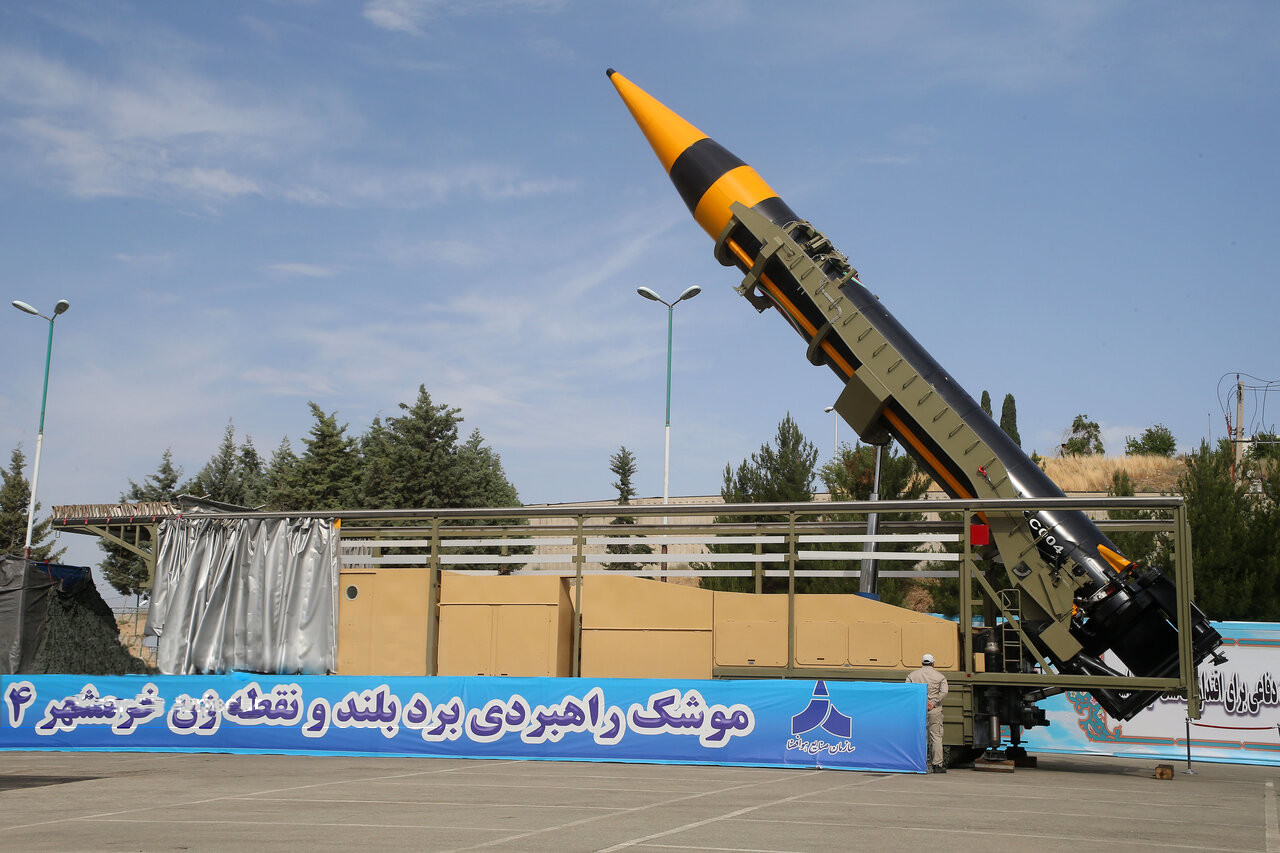
- Iran is not known to have a missile that can fly farther than 2,000km. Its longest declared system is the Khorramshahr-4, unveiled in 2023.
- The announcement came days after a statement attributed to Iran's supreme leader, Mojtaba Khomeini, warned that "any kind and level of threat" from the United States or Israel would face a response without geographic limits — and after fresh American military action in the region.
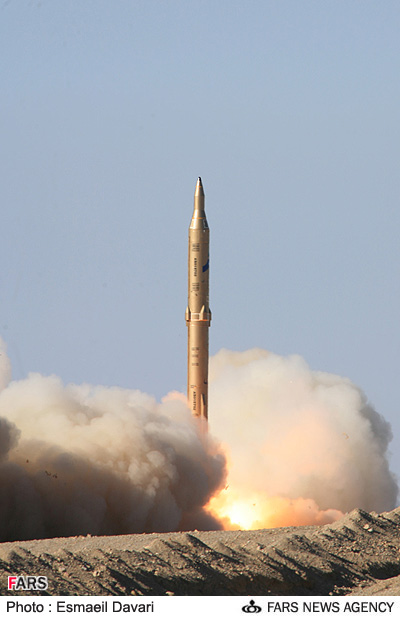
Iran's Revolutionary Guard has said it has lifted a self-imposed limit on how far its ballistic missiles can fly, raising the possibility that Tehran could seek weapons able to strike targets considerably farther away. The announcement, made at a news conference in Tehran on Saturday, comes amid fears of a renewed all-out war with the United States and Israel, and days after the United States said it had carried out fresh strikes on Iranian targets.
The key figures
| Measure | Figure | Source |
|---|---|---|
| Self-imposed missile range limit lifted | 2,000 km (1,200 miles) | Associated Press |
| Year the limit was set | 2017 | Deniro News; Global Conflict Reporting |
| Longest declared Iranian missile system | Khorramshahr-4, unveiled 2023 | Deniro News |
| Missiles known to fly beyond 2,000 km | None | Associated Press |
| US officials on Iran's space-program technology | Can be repurposed to build intercontinental missiles | Associated Press |
The announcement
The comments came from General Hossein Mohebbi, the spokesman of Iran's paramilitary Revolutionary Guard, at a press conference in Tehran marking the force's Aerospace Week, the Associated Press reported. Asked whether the limit on missile ranges still stood, Mohebbi said: "That restriction has been lifted for us." He did not say whether Iran had missiles capable of exceeding the supposed limit, and said Tehran would "demonstrate these capabilities in practice" rather than make statements, the Times of Israel reported. Iranian state-linked outlets Tasnim, Mehr and ISNA carried his remarks, and the Associated Press reported them on Saturday.

What the limit covered
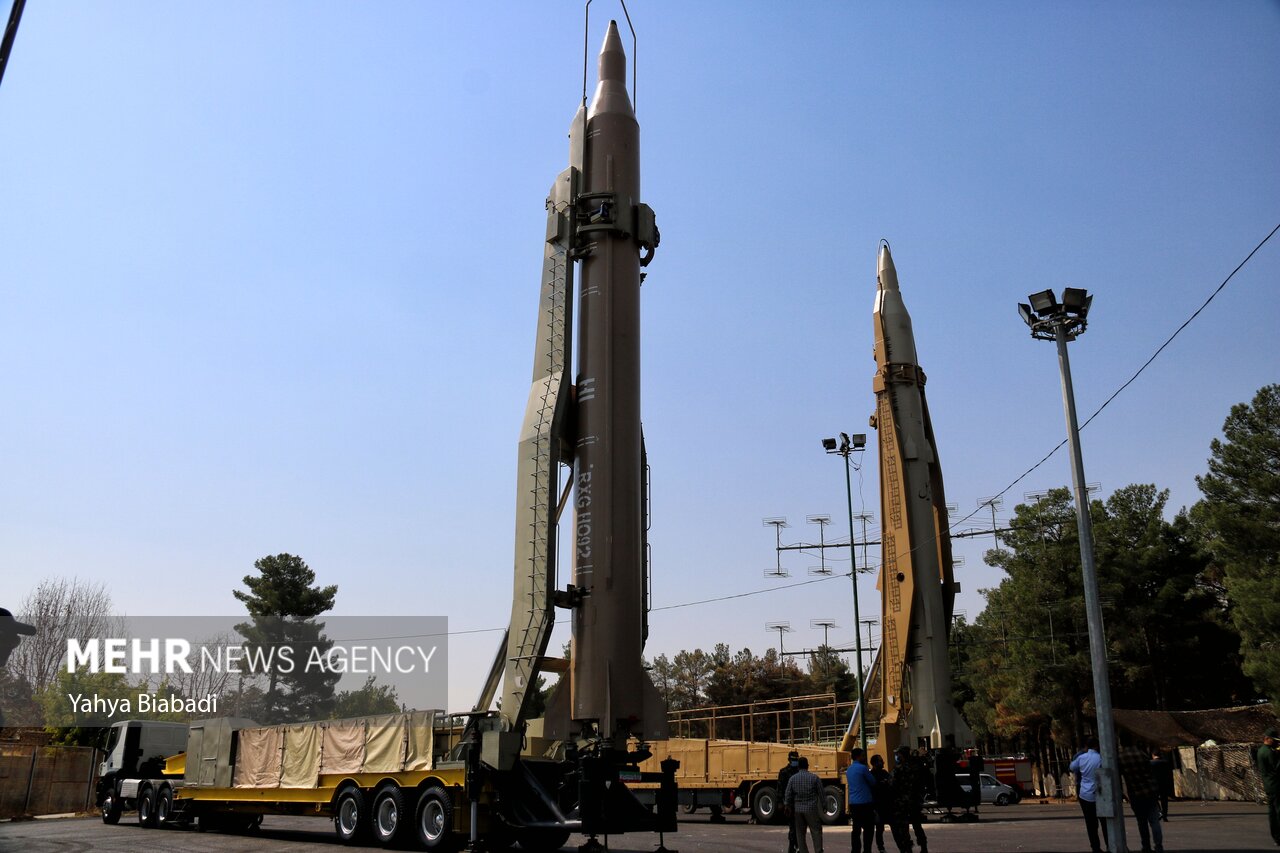
The 2,000-kilometre ceiling dated to 2017, when it was set under the former supreme leader, Ali Khamenei, and described by Iran's foreign minister as a deliberate restraint. A range of 2,000 kilometres puts parts of Greece and the Balkans, the entire Arabian Peninsula, the Levant and most of Egypt within reach of Iran's missiles, the Associated Press reported. Iran is not known to have ballistic missiles capable of travelling beyond that range, and its longest declared system is the Khorramshahr-4, unveiled in 2023. American officials have said technology from Iran's space program can be repurposed to build intercontinental ballistic missiles, the Associated Press reported.

The context
Mohebbi's remarks came days after a statement attributed to Iran's supreme leader, Mojtaba Khomeini, warned that "any kind and level of threat" from the United States or Israel would be met with a response without geographical limits, the Times of Israel reported. They also followed fresh American military action in the region. On Friday, the United States said it had carried out limited strikes on an Iranian air defence system on Qeshm Island, in the Strait of Hormuz. Read more: Trump says US carried out 'minor' strikes on Iran's Qeshm Island as Tehran claims it downed a US drone On Saturday, American forces disabled a cargo vessel in the Gulf of Oman that the United States said was trying to break its naval blockade of Iran, the Associated Press reported.
What happens next
Reuters reported on Thursday that a senior Iranian official said Tehran had submitted a proposal on its nuclear programme to Washington through Qatari mediators, and the United States has said talks are making progress. Whether Iran now develops or tests a missile able to fly beyond 2,000 kilometres remains to be seen: no evidence has emerged that it has tested or fielded one. Europe Unfolded will report any response from Washington or Tehran, and any sign of a longer-range Iranian missile, as it is confirmed.
Updates & corrections
Published 8 November 2026.
Sources
- Associated Press, via Arab News, "Iran says it has lifted its self-imposed limit on missile ranges", 8 November 2026, on Mohebbi's announcement and quote, the supreme leader's warning, Iran not known to have longer-range missiles, and US officials on space-program technology: arabnews.pk
- The Times of Israel, "IRGC claims a self-imposed limit on ballistic missile range 'has been lifted'", 7 November 2026, on the announcement, the quote, the supreme leader's warning, the 2,000km reach, and Mohebbi saying Iran would demonstrate its capabilities in practice: timesofisrael.com
- The Times of India, "Iran's IRGC claims self-imposed 2,000-km ballistic missile range limit 'has been lifted'", 8 November 2026, on the Associated Press account of Mohebbi's remarks, the absence of a longer-range missile, and the announcement not establishing that Iran has developed one: timesofindia.indiatimes.com
- Deniro News, "Iran Lifts Its 2,000-Kilometer Limit on Missile Range", 7 November 2026, on the 2017 origin of the limit under the former supreme leader, the Aerospace Week press conference, Tasnim, Mehr and ISNA carrying the remarks, and the Khorramshahr-4 as the longest declared system: denironews.com
- Associated Press, via ETV Bharat, "Mideast Updates: Iran Lifts Self-imposed Limit On Missile Ranges; US Fires On Vessel In Gulf of Oman", 8 November 2026, on the disabling of the cargo vessel in the Gulf of Oman and the explosions reported on Qeshm Island: etvbharat.com
- Israel National News, "Iran lifts ballistic missile range limit amid threats of war", 8 November 2026, on the Reuters report of a senior Iranian official saying Tehran submitted a nuclear proposal to Washington through Qatari mediators: israelnationalnews.com