Key points
- Australia's central bank raised its cash rate target by 25 basis points to 4.85% on Tuesday 3 November, the Reserve Bank of Australia announced at 2:30pm Sydney time — its fifth increase of 2026 and the highest level since November 2008.
- The decision was split: six members of the Monetary Policy Board voted for the rise and three voted to leave the rate unchanged at 4.60%, the bank said.
- Annual headline inflation reached 4.3% in the year to September, up from 4% in August, according to the Australian Bureau of Statistics, while underlying trimmed-mean inflation accelerated to 3.7% in the September quarter, well above the bank's 3.4% forecast.
- The bank now expects inflation to stay above 3% for the coming year and not to reach the top of its 2–3% target range until late 2027, around three quarters later than it previously forecast; its next decision is scheduled for 8 December.
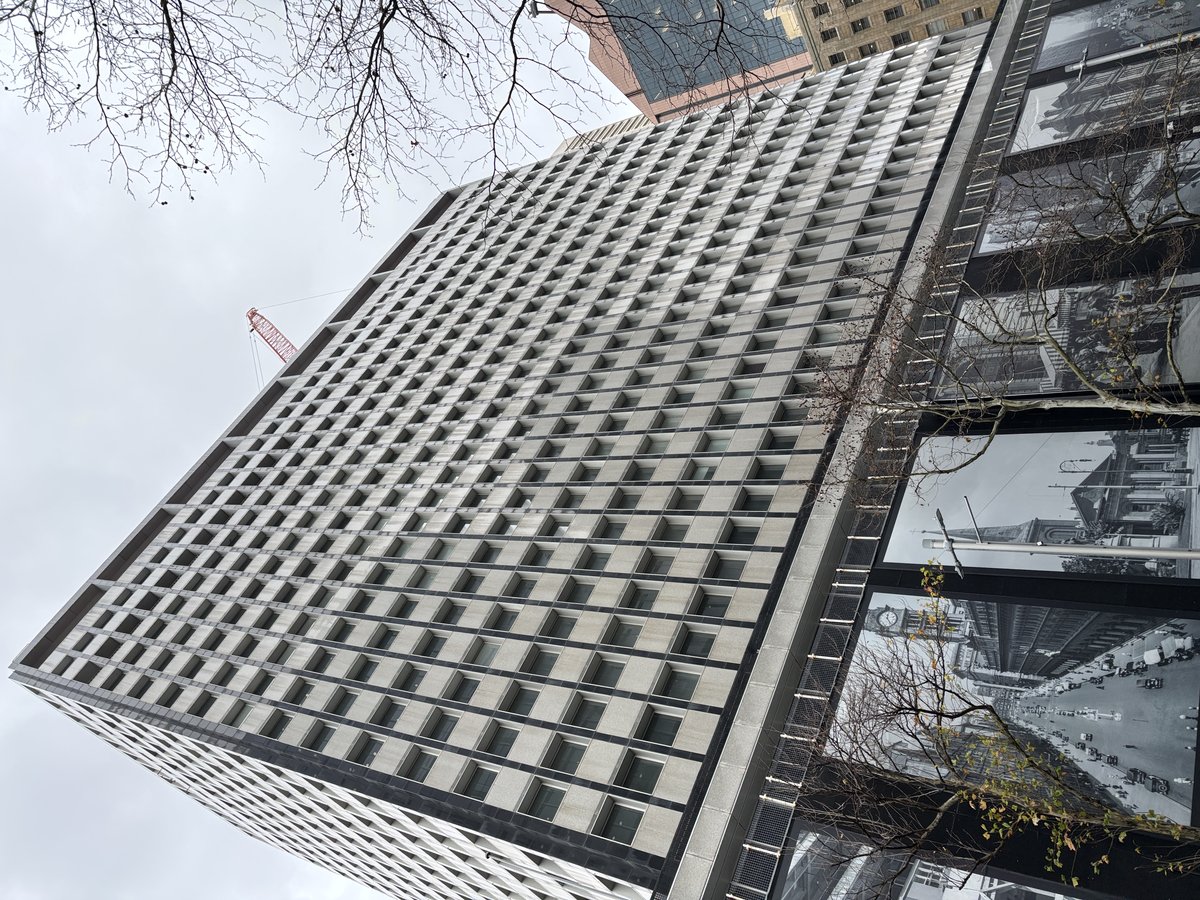
Australia's central bank has raised interest rates again, taking its benchmark to a level not seen in eighteen years as it confronts inflation that is proving slower to tame than it expected. The Reserve Bank of Australia said its Monetary Policy Board decided at its meeting on Tuesday to increase the cash rate target by a quarter of a percentage point, from 4.60% to 4.85%. The move had been widely anticipated: all four of the country's major banks had forecast a rise, and money markets had priced in an 88% probability of one, Broker Daily reported. Read more: Bank of Canada raises rates to 2.5% in first hike since 2023 as energy prices keep inflation high
The decision lands on Melbourne Cup day, the traditional date for the bank's November meeting, and it is the fifth increase of the year. It takes borrowing costs to their highest since November 2008, before the global financial crisis reshaped the world's central banks — a milestone that underlines how far Australia's inflation fight has run beyond the brief tightening most borrowers had hoped for.
Why the board moved now
In its statement, the bank said inflation remains elevated and recent data indicate it is broadly based across the economy, rather than confined to a few prices. Its staff have revised the inflation outlook materially higher. Part of that revision reflects higher fuel and other commodity prices affected by the conflict in the Middle East, the bank said, but domestic capacity pressures are also judged to have been a little tighter than earlier thought. Investment linked to artificial intelligence is driving rapid growth in prices for technology-related goods, and liaison with businesses indicates many firms are experiencing cost pressures and are either increasing the prices of their goods and services in response or looking to do so.
The data behind the decision arrived last week. The Australian Bureau of Statistics reported that headline inflation rose to 4.3% in the year to September, up from 4% in August, Commercial Real Estate reported. More worrying for the board was the underlying picture: annual trimmed-mean inflation — the measure that strips out the most volatile price moves — accelerated to 3.7% in the September quarter, well above the bank's 3.4% forecast and outside its 2–3% target band, Broker Daily reported. The bank said there is now an increasing risk that higher inflation expectations will become embedded in wage and price decisions, which would make the eventual return to target harder still.

The key figures
| Measure | Figure | Source |
|---|---|---|
| Cash rate target after the decision | 4.85% | Reserve Bank of Australia |
| Size of the rise | 25 basis points, from 4.60% | Reserve Bank of Australia |
| Board vote | 6–3 in favour of the rise | Reserve Bank of Australia |
| Rises in 2026 | Five | AAP |
| Highest level since | November 2008 | AAP; Reuters via CNBC |
| Headline inflation, year to September 2026 | 4.3% | Australian Bureau of Statistics |
| Trimmed-mean inflation, September quarter | 3.7% | Australian Bureau of Statistics, via Broker Daily |
| Inflation target range | 2–3% | Reserve Bank of Australia |
| Return to the top of the target range expected | Late 2027 | Reserve Bank of Australia |
| Next decision | 8 December 2026 | Reserve Bank of Australia meeting calendar |
What it means for borrowers
The rises since the start of the year have already tightened financial conditions, the bank said: the economy is slowing, housing prices have fallen significantly and the unemployment rate has risen. Higher rates and falling house prices and turnover are expected to weigh on dwelling investment and household consumption, though growth in overall business investment is forecast to be stronger in the near term, including investment related to data centres.
For households, the arithmetic is direct. Mortgage Choice estimates that this rise alone could add around $120 a month to repayments on a $750,000 home loan if lenders pass it on in full — an estimate, not a bank announcement, since each lender decides its own variable rates. AAP reported that the rise heaps extra pressure on Treasurer Jim Chalmers ahead of December's mid-year budget update, as higher rates flow through to mortgage holders and to the government's own borrowing costs.
Economists are divided on whether 4.85% is the peak. Commercial Real Estate reported that CBA and NAB expect the bank to pause after November, while Westpac sees a growing risk of another rise in February, and ANZ has warned the cash rate could reach 5.1% in December or February. That disagreement is itself a measure of the uncertainty the bank flagged: the Middle East conflict remains unresolved, global oil supply disruptions are maintaining upward pressure on energy prices, and weak productivity growth continues to constrain the economy's potential.
What happens next
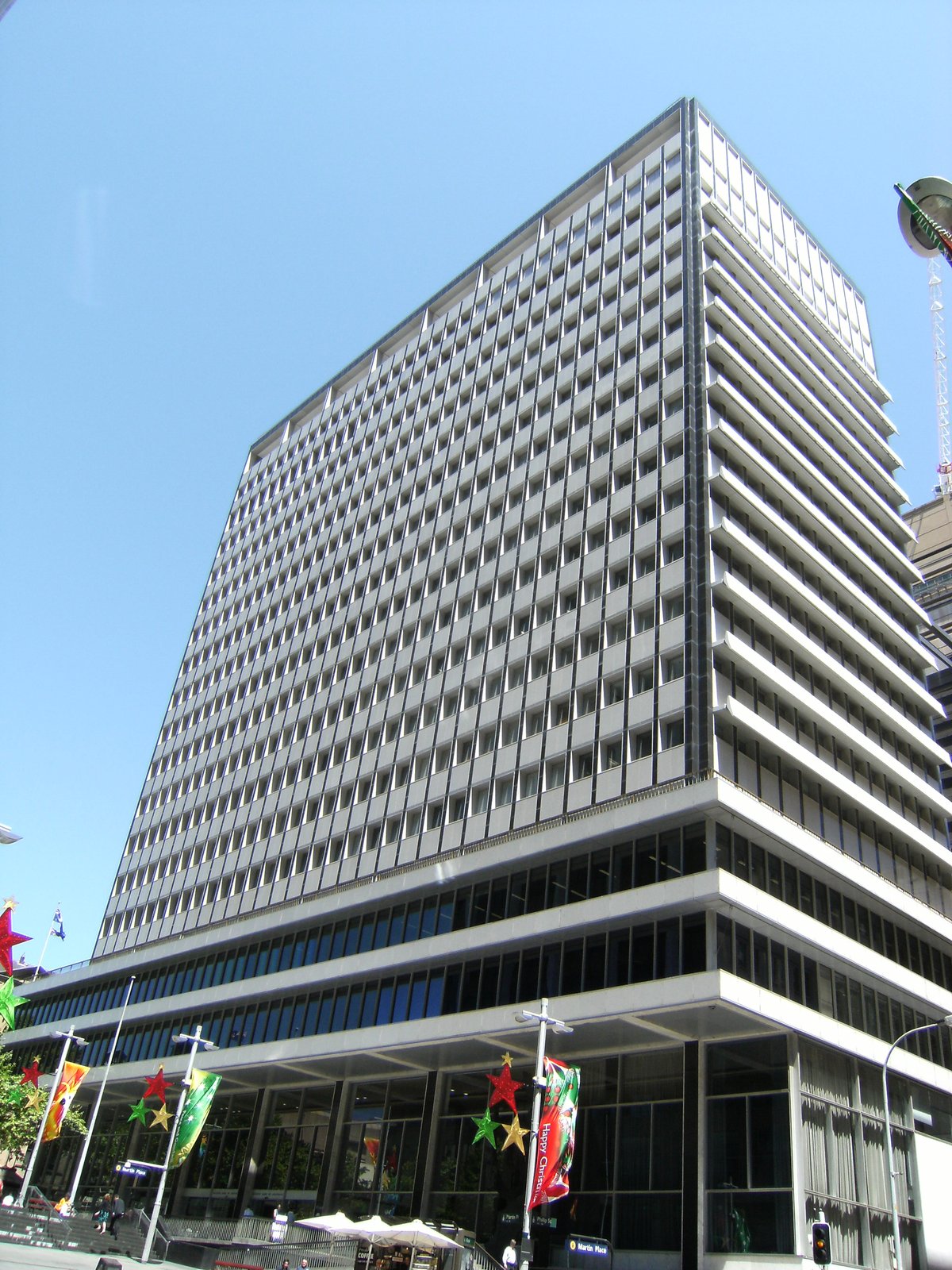

The board's next meeting is scheduled for 8 December, its last decision of the year. In its statement it said it will be attentive to the data and to its evolving assessment of the outlook, and that it "will continue to do what it considers necessary to bring inflation sustainably back to target". Employment is still expected to grow, the bank said, but the unemployment rate is projected to rise by more than it forecast in August — a sign that the cost of bringing inflation down is now expected to fall more heavily on the jobs market.
For borrowers, the immediate question is how much of Tuesday's rise lenders pass on, and how quickly. That decision now sits with the banks, not the board — and the answer will determine whether 4.85% feels like the end of the tightening cycle, or merely its latest step.
Updates & corrections
Published 3 November 2026.
The bank announced the decision at 2:30pm Sydney time on 3 November 2026. No corrections have been made.
Sources
- Reserve Bank of Australia, Statement by the Monetary Policy Board: Monetary Policy Decision, 3 November 2026, on the 25-basis-point rise to 4.85%, the 6–3 vote, the revised inflation outlook and the late-2027 return to the top of the target range: rba.gov.au
- AAP, 3 November 2026, on the cash rate reaching its highest level since 2008, the split 6–3 decision, the fifth increase of the year and the pressure on the Treasurer ahead of December's mid-year budget update: aapnews.aap.com.au
- Sharecafe, 3 November 2026, republishing the Reserve Bank's full statement, including the forecast that inflation will remain elevated through much of 2027: sharecafe.com.au
- Broker Daily, 3 November 2026, on the September-quarter inflation data, trimmed-mean inflation of 3.7% against the bank's 3.4% forecast, the 88% market pricing of a rise and the board's statement in full: brokerdaily.au
- Commercial Real Estate, 3 November 2026, on headline inflation of 4.3% in the year to September, up from 4% in August, and on economists' divided expectations for the peak: commercialrealestate.com.au
- Mortgage Choice, 3 November 2026, estimating repayments on a $750,000 home loan could rise by around $120 as a result of the decision: mortgagechoice.com.au
- Real Estate, 3 November 2026, on the 4.85% decision as the fifth rise of the year and the final decision of the year scheduled for 8 December: realestate.com.au