Key points
- The Bank of Japan held its benchmark interest rate — the uncollateralized overnight call rate — at 1.25% on Friday 30 October 2026, by eight votes to one, the bank announced.
- Board member Hajime Takata dissented, proposing an immediate rise to 1.50%, arguing that underlying inflation has reached the bank's 2% target and that rates should be adjusted toward neutral more quickly.
- The bank's quarterly Outlook Report raised its core inflation forecast for fiscal 2027 to 2.6%, from 2.4%, left fiscal 2026 unchanged at 2.5% and fiscal 2028 unchanged at 2.0%, and judged underlying inflation to be at a level generally consistent with the 2% target.
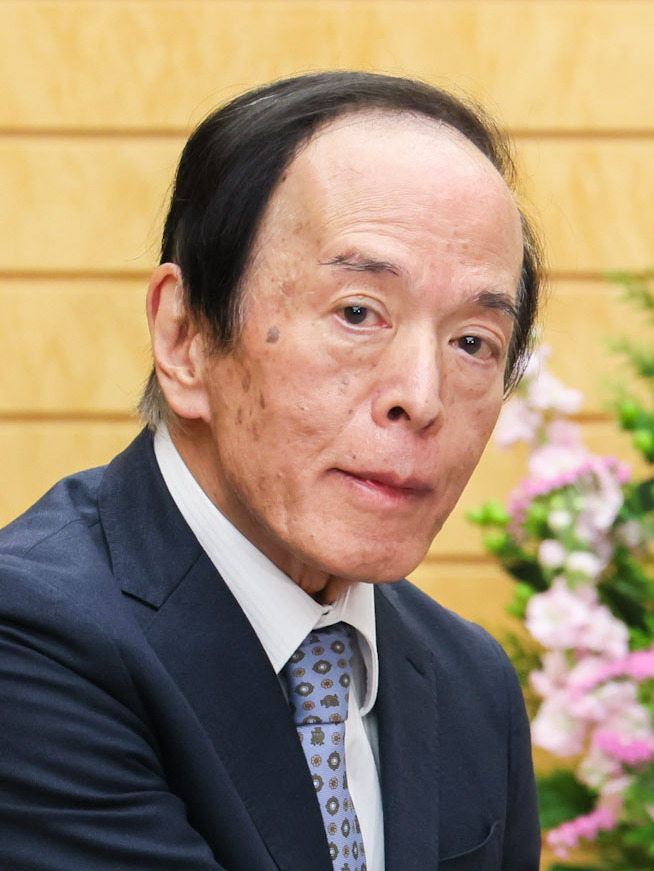
- Markets had widely expected the hold; attention now turns to Governor Kazuo Ueda's news conference later on Friday and to the December meeting, where most analysts polled by Reuters expect a rise to 1.50%.
The Bank of Japan has held interest rates steady, pairing an expected pause with a hawkish signal: underlying inflation, the bank said, has now reached its 2% target. The decision, announced on Friday after a two-day policy meeting, was taken by eight votes to one, with board member Hajime Takata dissenting in favour of an immediate rise to 1.50%. Read more: ECB holds rates at 2.5% as Lagarde announces she will step down in February
The key figures
| Measure | Figure | Source |
|---|---|---|
| Policy rate (uncollateralized overnight call rate) | 1.25%, unchanged | Bank of Japan |
| Policy Board vote | 8–1 | Bank of Japan |
| Dissenting proposal | Hajime Takata, for 1.50% | Bank of Japan |
| Core CPI forecast, fiscal 2026 (to March 2027) | 2.5%, unchanged | BOJ Outlook Report |
| Core CPI forecast, fiscal 2027 | 2.6%, up from 2.4% | BOJ Outlook Report |
| Core CPI forecast, fiscal 2028 | 2.0%, unchanged | BOJ Outlook Report |
| Core-core CPI forecast, fiscal 2027 | 2.7%, up from 2.6% | BOJ Outlook Report |
| Real GDP forecast, fiscal 2026 | 0.7%, up from 0.6% | BOJ Outlook Report |
| Real GDP forecast, fiscal 2027 | 0.7%, down from 0.8% | BOJ Outlook Report |
| Previous rate rises | June and September 2026 | Nikkei |
| December hike probability priced by markets | About 80% | Commerzbank via FXStreet |
| Next decision in focus | December meeting | Reuters poll via CNA |
Why the hold, and why December matters
The bank's reasoning, as set out in its statement and the Outlook Report, is a balancing act of its own. Having raised rates twice in four months, in June and September, the bank is giving the September rise time to work through lending conditions before moving again, Reuters reported ahead of the decision — a reading the outcome confirmed. At the same time, the bank's own forecasts now say the hard part of its long fight is over: underlying inflation, which strips out price movements that might prove temporary, is at a level generally consistent with the 2% target. The bank's job, as the Japan Times put it, has shifted from reaching the target to anchoring inflation there.
That shift is the real story of Friday's decision. The 2% target was introduced in 2013 under then-Governor Haruhiko Kuroda, who pledged to reach it within two years; the Japan Times notes it eventually took thirteen. Headline inflation has run above 2% for years, but the bank long maintained that underlying inflation remained below target — until now. Takata's dissent makes the tension inside the board explicit: in his view, with underlying inflation at target, the bank has entered a phase requiring faster adjustment of rates toward neutral, and waiting risks falling behind. Separately, the board unanimously agreed a change in the pace of its sales of exchange-traded funds, the statement said.

What the forecasts say
The Outlook Report's revisions are small but pointed. The core consumer price forecast for the fiscal year ending in March 2027 is unchanged at 2.5%, and the fiscal 2028 forecast is unchanged at 2.0% — but the fiscal 2027 figure, the year markets watch most closely for the next move, rises from 2.4% to 2.6%. Core-core inflation, which excludes both fresh food and energy, rises to 2.7% for fiscal 2027 from 2.6%. Growth, by contrast, is expected to be slightly softer next year: the fiscal 2027 real GDP forecast falls to 0.7% from 0.8%, while fiscal 2026 rises to 0.7% from 0.6%. Taken together, the report describes an economy whose prices are firmer than expected and whose growth is not — the combination that makes the timing of the next rise, rather than its direction, the open question.

What happens next
Markets moved quickly on Friday. The yen strengthened after the announcement, with the Australian dollar holding losses around 110.80 against the yen in Asian hours and sterling near 210.80, FXStreet reported. That firmness reflects what traders took from the statement: a bank that has declared its target reached is a bank with less reason to wait. Most analysts polled by Reuters expect the bank to raise its policy rate to 1.50% in December, followed by further rises next year, with terminal-rate projections centred around 1.75% to 2%, and Commerzbank put the market-priced probability of a December rise at around 80%. Governor Ueda's news conference later on Friday is the next chance for the bank to shape those expectations — and the December meeting is where they will be tested. Europe Unfolded will report that decision when it is announced.
Updates & corrections
Published 30 October 2026.
No updates or corrections have been made to this article since publication.
Sources
- Bank of Japan, Statement on Monetary Policy, 30 October 2026, on the 8–1 vote to hold the uncollateralized overnight call rate at around 1.25% and the unanimous change in the pace of exchange-traded fund sales, as reproduced by Forex Factory: forexfactory.com
- Nikkei Asia, "BOJ holds interest rates, raises 2027 inflation outlook", 30 October 2026, on the 1.25% hold, the split vote, the June and September rises, the fiscal 2027 forecast raised to 2.6% from 2.4%, fiscal 2026 unchanged at 2.5% and fiscal 2028 unchanged at 2.0%, and the Federal Reserve's hold on Wednesday: asia.nikkei.com
- The Japan Times, "Bank of Japan holds rates steady even as inflation ticks up", 30 October 2026, on the 1.25% hold, the quarterly report's finding that underlying inflation has reached the 2% target, the target's introduction in 2013 under Haruhiko Kuroda and the thirteen years it took to reach, and Governor Ueda's news conference later on Friday: japantimes.co.jp
- ActionForex, "BoJ Holds at 1.25% as Underlying Inflation Reaches Target, Further Hikes Ahead", 30 October 2026, summarising the Bank of Japan statement and Outlook Report, on the 8–1 vote, Takata's dissent and argument, the core and core-core forecast revisions, the growth outlook, and the guidance that further hikes are appropriate if projections materialise: actionforex.com
- FXStreet, "British Pound remains almost steady against Japanese Yen after BoJ's dovish hold", 30 October 2026, on the 8–1 vote, Takata's vote for 1.50%, sterling near 210.80, the September warning against rapid tightening, and Commerzbank's note that markets price around an 80% probability of a December rise: fxstreet.com
- Reuters via CNA, "Bank of Japan to hold rates, signal further hikes", 29 October 2026 (updated 30 October), on the expected hold to allow more time to assess the September rise's effect on lending, the expected signal that underlying inflation has roughly reached target, and the Reuters poll finding most analysts expect a rise to 1.5% in December with terminal rates centred on 1.75% to 2%: channelnewsasia.com