Key points
- The Reserve Bank of New Zealand's monetary policy committee voted 4–3 to hold the official cash rate at 2.75%, Reuters reported, with Governor Anna Breman voting with the majority.
- 22 of 27 economists polled by Reuters had expected a quarter-point rise to 3.00%; the New Zealand dollar fell to $0.5590 from $0.5676 after the decision.
- The bank said tighter policy will probably still be needed, depending on the outlook, with inflation at 3.7% against its 1–3% target range.
- The next decision comes in December, when the bank publishes fresh forecasts; ANZ expects three more rises, taking the rate to 3.5%.
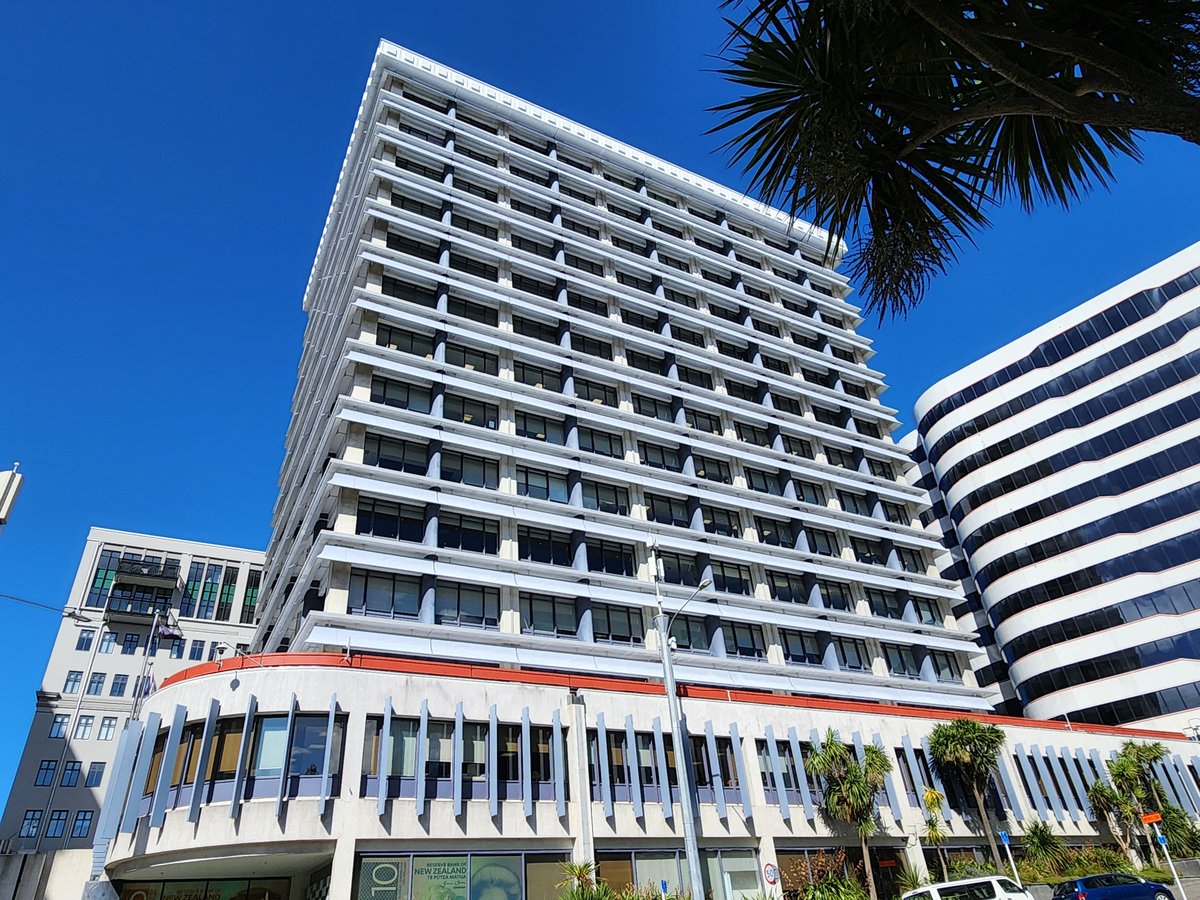
New Zealand's central bank has surprised financial markets by holding its main interest rate steady, defying economists and traders who had almost fully priced in a rise. The Reserve Bank of New Zealand's monetary policy committee voted four to three to keep the official cash rate at 2.75%, the bank announced on Wednesday. Read more: State Bank of Pakistan lifts policy rate to 12% in first rise after three holds
The decision split the committee down the middle. Governor Anna Breman voted with the four-member majority to hold, while three members wanted a quarter-point increase to 3.00%, Reuters reported. It was the bank's first hold after rises at its previous two meetings, in July and September, as inflation sits above its target range.
The key figures
| Measure | Figure | Source |
|---|---|---|
| Official cash rate held | 2.75% | RBNZ / Reuters |
| Committee vote | 4–3 for holding | RBNZ |
| Economists expecting a rise | 22 of 27 | Reuters poll |
| New Zealand dollar after decision | $0.5590 (from $0.5676) | Reuters |
| Two-year swap rates | 4.1109% to 3.9497% | Reuters |
| Inflation | 3.7% (September quarter) | AAP / RBNZ |
| Inflation target range | 1–3%, midpoint 2% | RBNZ |
| Previous rate peak | 5.5% (August 2024) | Reuters |
| Next decision | December, with fresh forecasts | RBNZ / Dow Jones |
Why the hold surprised markets
Markets had priced in a more than 70% chance of a rise, according to Westpac, and Dow Jones reported that some measures put the probability of a hike near 95%. Westpac said it was the first time, outside the COVID pandemic, that the bank had held rates while markets had priced in a more than 70% chance of a hike. The New Zealand dollar fell as much as 1.7% in the hours after the decision, Reuters reported, while two-year swap rates dropped sharply as traders pushed back their expectations for tightening.
The surprise is sharper because the bank has been moving the other way. It raised the cash rate at its previous two meetings, in July and September, after inflation climbed back above its 1–3% target range. Headline inflation is running at 3.7% and is forecast to top 4% by the end of the year, according to AAP's reporting of the bank's outlook — driven largely, the bank says, by high global fuel costs and their effects on other prices.
What the bank said next
The bank's statement stressed that the hold is a pause, not a change of direction. "All Committee members agreed on the overall outlook for inflation. However, members differed in how much weight they placed on various risks and the timing of the monetary policy response," the Reserve Bank said in its accompanying Monetary Policy Review statement, as reported by Reuters.
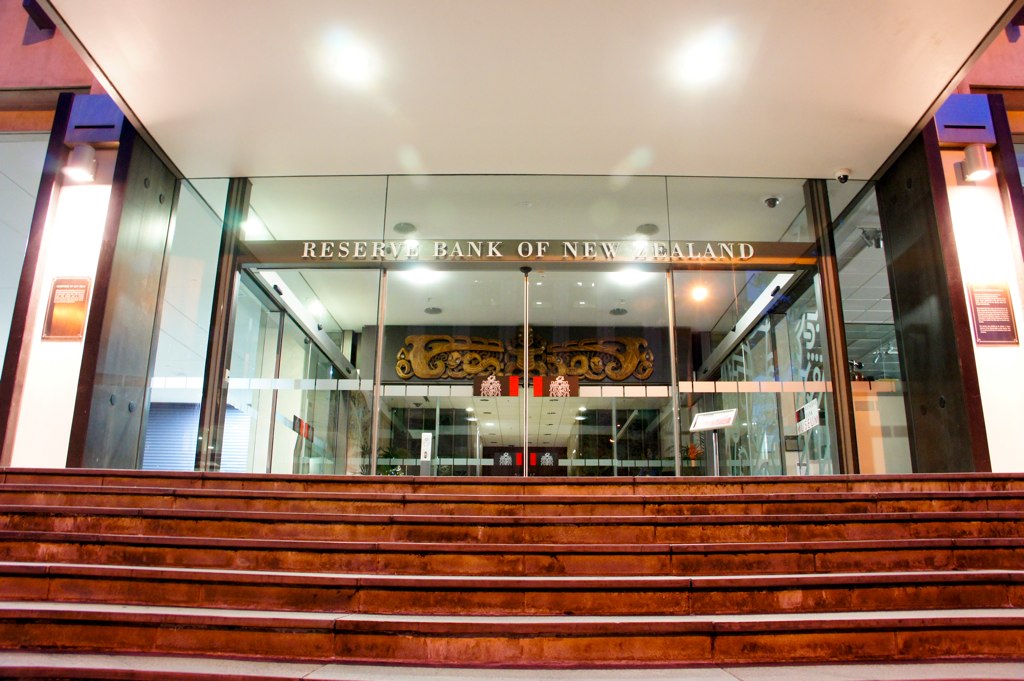

Governor Breman told reporters the bank still expects to tighten. "We do think that we will see further OCR increase because of what we are seeing in inflation," she said, according to Dow Jones. She added that the bank would likely consider another rise in December, when it releases fresh economic forecasts, and that with two increases already working through the economy it has time to assess incoming data. "This is a tough decision," she said, according to AAP. "We have a lot of volatility."
The bank's own summary put it plainly: inflation is above target largely because of high global fuel costs, the economy is recovering gradually but conditions are uneven, and "we will adjust the OCR as needed so that inflation gets back to 2%". Breman also said the looming general election — due on 7 November, ten days after the decision — was not a factor in the call, Dow Jones reported. ANZ, whose chief economist Sharon Zollner called the decision "a close-run thing", forecasts three more rises, in December, February and March, taking the cash rate to 3.5%.
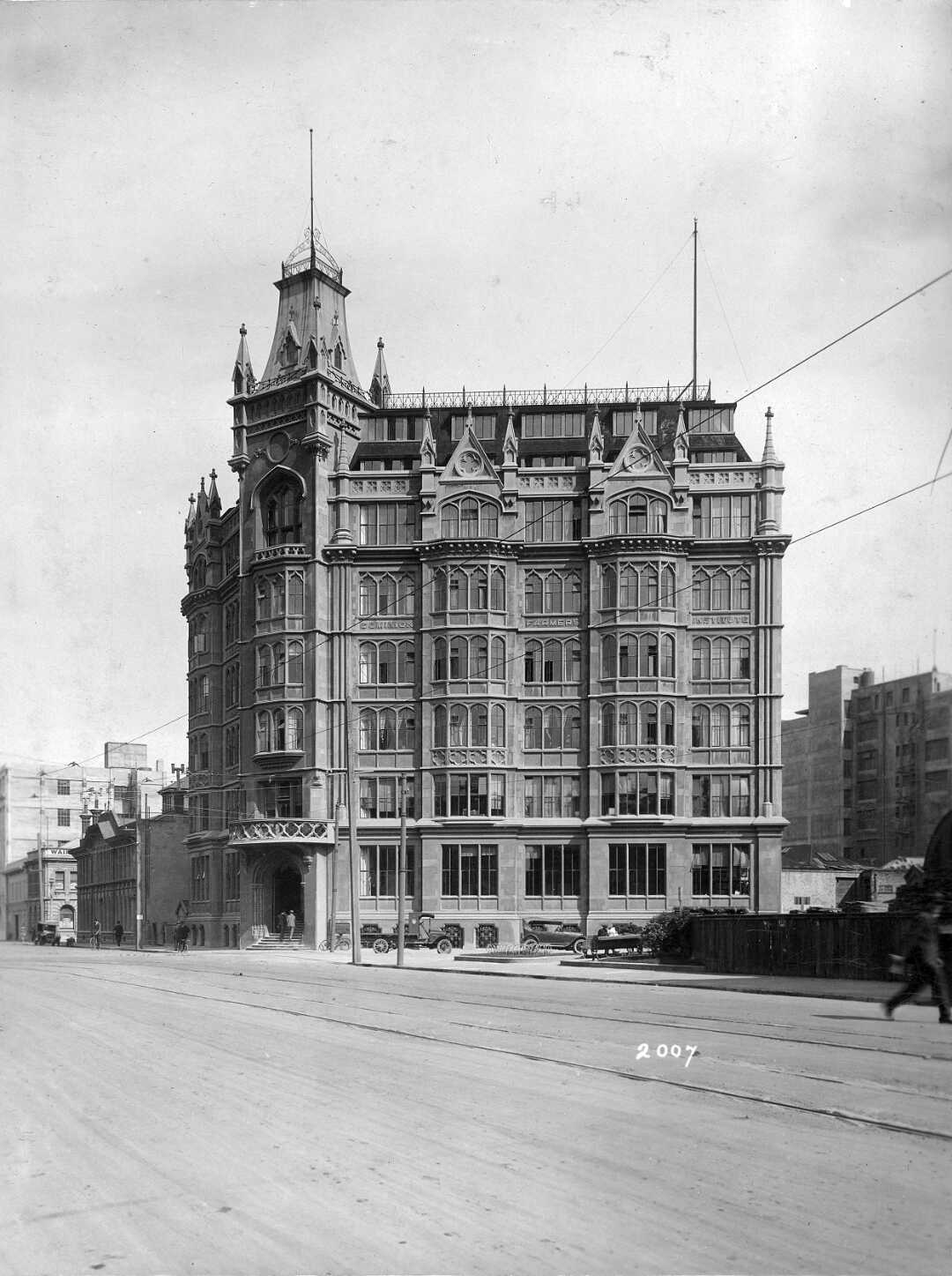
The bank, founded in 1934 and based in Wellington, was the first central bank in the world to adopt inflation targeting, in 1990. Its first headquarters was the Dominion Farmers' Institute building in Wellington.

What happens next
The December meeting is now the market's focus. Fresh forecasts there will show whether the bank still sees inflation returning to its 2% midpoint on the current path, or whether the hold has cost it time. The backdrop is unforgiving: unemployment remains near an 11-year high, growth is uneven, and the bank itself flags global risks including elevated fuel prices and the unresolved war in the Middle East. Europe Unfolded will report the December decision, and any change to the bank's forecasts, when they are published.
Updates & corrections
Published 28 October 2026.
A third photograph, of the bank's first headquarters, was added later the same day; no text corrections have been made.
Sources
- Reuters, via Nikkei Asia, 28 October 2026, on the 4–3 vote, the 2.75% hold, the Reuters poll of 22 of 27 economists, the dollar's fall to $0.5590 from $0.5676, the swap-rate move, the Westpac comment, the 1–3% target range and the 5.5% August 2024 peak: asia.nikkei.com
- Reuters, via The Business Times, 28 October 2026, corroborating the 4–3 hold at 2.75%, the poll, the dollar move and the target range: businesstimes.com.sg
- Dow Jones Newswires, via Morningstar, 28 October 2026, on Breman's comments on further rises and the December meeting, the near-95% market pricing, ANZ's three-hike forecast, unemployment near an 11-year high and the election not being a factor: morningstar.com
- Australian Associated Press, via AAP News, 28 October 2026, on the Reserve Bank's summary, inflation at 3.7% and forecast to top 4%, fuel costs, Breman's "tough decision" remark and the 7 November election: aapnews.aap.com.au
- Reserve Bank of New Zealand background — founded in 1934, based in Wellington, first central bank to adopt inflation targeting in 1990 — via the bank's history: en.wikipedia.org