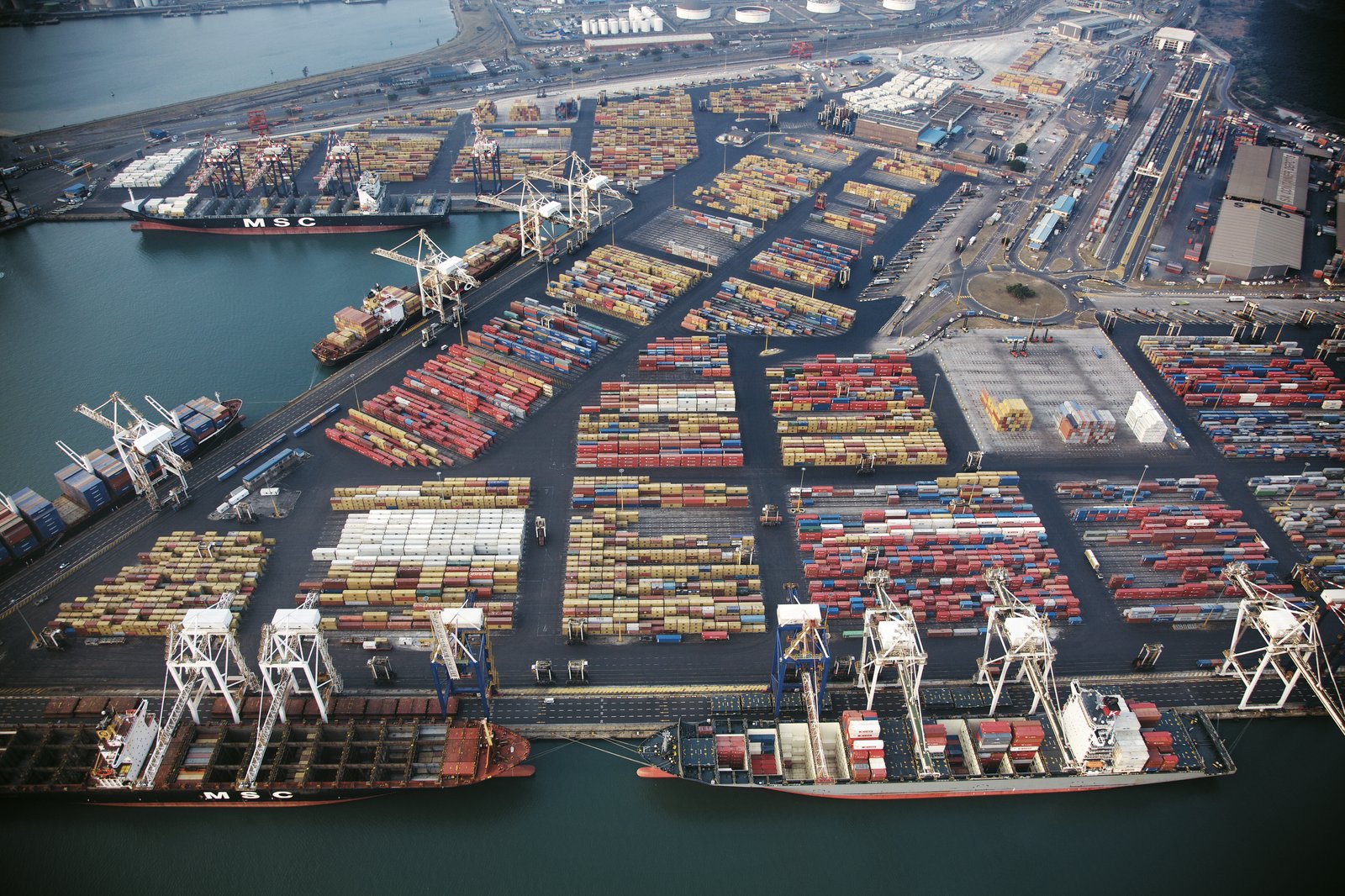
Key points
- The United States will terminate South Africa's and Rwanda's beneficiary status under the African Growth and Opportunity Act (AGOA) from 1 January 2027, the Office of the US Trade Representative announced late on Monday.
- President Donald Trump notified Congress and both governments of his intention to end their duty-free access after an annual eligibility review led by the Trade Representative's office.
- Trade Representative Jamieson Greer said both governments were engaging in practices inconsistent with AGOA's eligibility criteria; Washington listed trade barriers, corruption and national-security concerns for South Africa, and a longer list including rule-of-law and human-rights concerns for Rwanda.
- South Africa is the programme's largest beneficiary, exporting about $1.7bn of goods to the US under AGOA in 2025; removal is not a trade ban, but its goods will face America's standard tariffs instead of entering duty-free.
- Pretoria says it was prepared for the decision and remains open to dialogue, and its trade minister says South Africa has 60 days to address Washington's concerns before any suspension takes effect.
The United States has cut two African countries out of its flagship trade preference scheme. Late on Monday, the Office of the US Trade Representative confirmed that President Donald Trump had notified Congress and the governments of South Africa and Rwanda of his intention to terminate their beneficiary status under the African Growth and Opportunity Act, effective 1 January 2027. The decision followed the programme's annual interagency eligibility review, led by the Trade Representative's office. Read more: German retail sales fall 2.0% in September, missing forecasts of a rise
AGOA, enacted by Congress in 2000, gives eligible sub-Saharan African countries duty-free access to the American market for more than 1,800 products. Eligibility is reviewed every year against criteria covering market-based economies, the rule of law, political pluralism and the removal of barriers to US trade and investment. Losing it does not close the American market — it removes the preference, so exports that entered duty-free instead face the standard tariff schedule.
Why South Africa was cut
For South Africa, Washington said it was deeply concerned about barriers to US trade and investment, corruption, and threats to US national security and foreign-policy interests. Trade Representative Jamieson Greer put it in the review's language: "President Trump found that the governments of Rwanda and South Africa are engaging in practices that are inconsistent with AGOA's eligibility criteria."
The decision lands after a long deterioration in the relationship. The Trump administration has repeatedly attacked South Africa over what the president says is the persecution of white South Africans — a claim Pretoria rejects as a falsehood spread by fringe groups, according to Al Jazeera. Washington has also taken issue with South Africa's foreign policy, in particular the genocide case it brought against Israel at the International Court of Justice, which Israel denies.
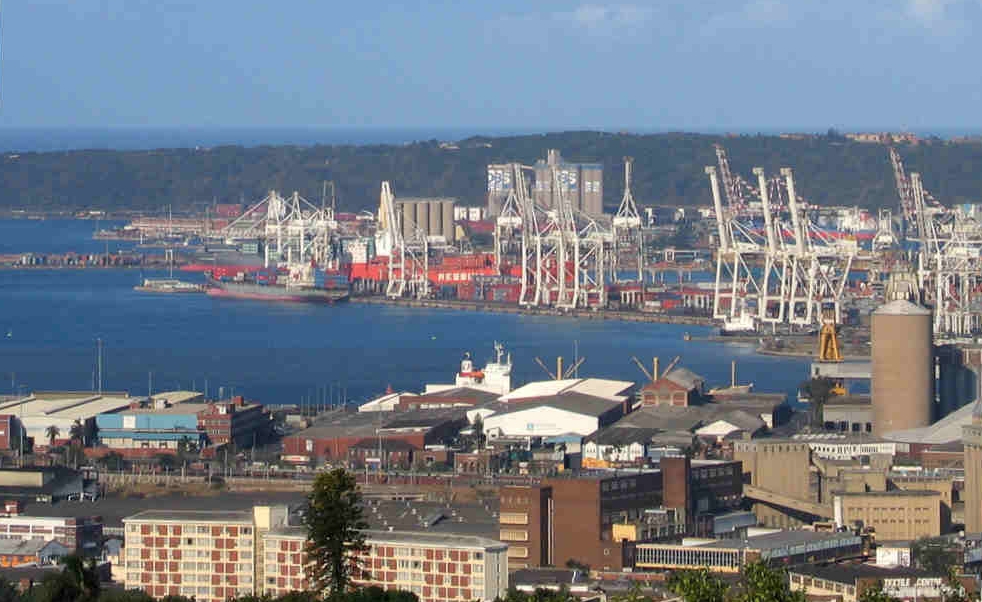

South Africa's government had been bracing for the outcome. Trade, Industry and Competition Minister Parks Tau told reporters on Friday that the country was ready for whatever decision Washington reached, and that the United States would remain a valued partner. His department said last week it was prepared for a negative outcome and remained open to dialogue. It also put the exposure in proportion: exports under AGOA make up only about 10 percent of South Africa's total exports to the United States, and 1 percent of its total global exports. President Cyril Ramaphosa has said the country must prepare for being cut out of the programme and is already seeking new markets, including through new trade deals with partners such as China.
Why Rwanda was cut
For Rwanda, Washington's list of concerns was longer: trade and investment barriers, the rule of law, political pluralism, internationally recognised workers' rights, human rights, and threats to US national security and foreign-policy interests. Tensions between Rwanda and the United States have deteriorated over Kigali's involvement in the conflict in neighbouring Democratic Republic of Congo, according to Moneyweb's account of the announcement.
Rwanda has been here before: it was also suspended from the programme in 2018, Al Jazeera noted. Its main exports to the United States are coffee, tea and minerals — smaller in value than South Africa's, but central to the livelihoods of the farmers and miners who produce them.
| Measure | Figure | Source |
|---|---|---|
| South African exports to the US under AGOA, 2025 | About $1.7bn | Al Jazeera |
| South Africa's share of all AGOA-related exports to the US | 54% | BusinessTech |
| Products covered by AGOA duty-free access | More than 1,800 | US Trade Representative, via Moneyweb |
| AGOA share of South Africa's exports to the US / global exports | About 10% / 1% | South African Department of Trade, Industry and Competition, via Al Jazeera |
| Added tariff from losing AGOA, on top of existing 12.5% tariffs | 3.4% | Presidential envoy Wandile Sihlobo, via BusinessTech |
| Estimated welfare loss for South Africa from exclusion | $20.8m | National Agricultural Marketing Council, via NovaNews |
| Estimated output cut, vegetables, fruits and nuts sector | 1.3% | National Agricultural Marketing Council, via NovaNews |
South Africa's main exports to the United States overall are precious stones and metals, motor vehicles, iron and steel, according to Al Jazeera. Under AGOA specifically, the leading lines are motor vehicles and parts, farm products and wine — which is why the decision reaches from car plants to citrus farms. The National Agricultural Marketing Council estimates the exclusion could reduce South Africa's welfare by $20.8 million and cut output in the vegetables, fruits and nuts sector by 1.3 percent, according to NovaNews.
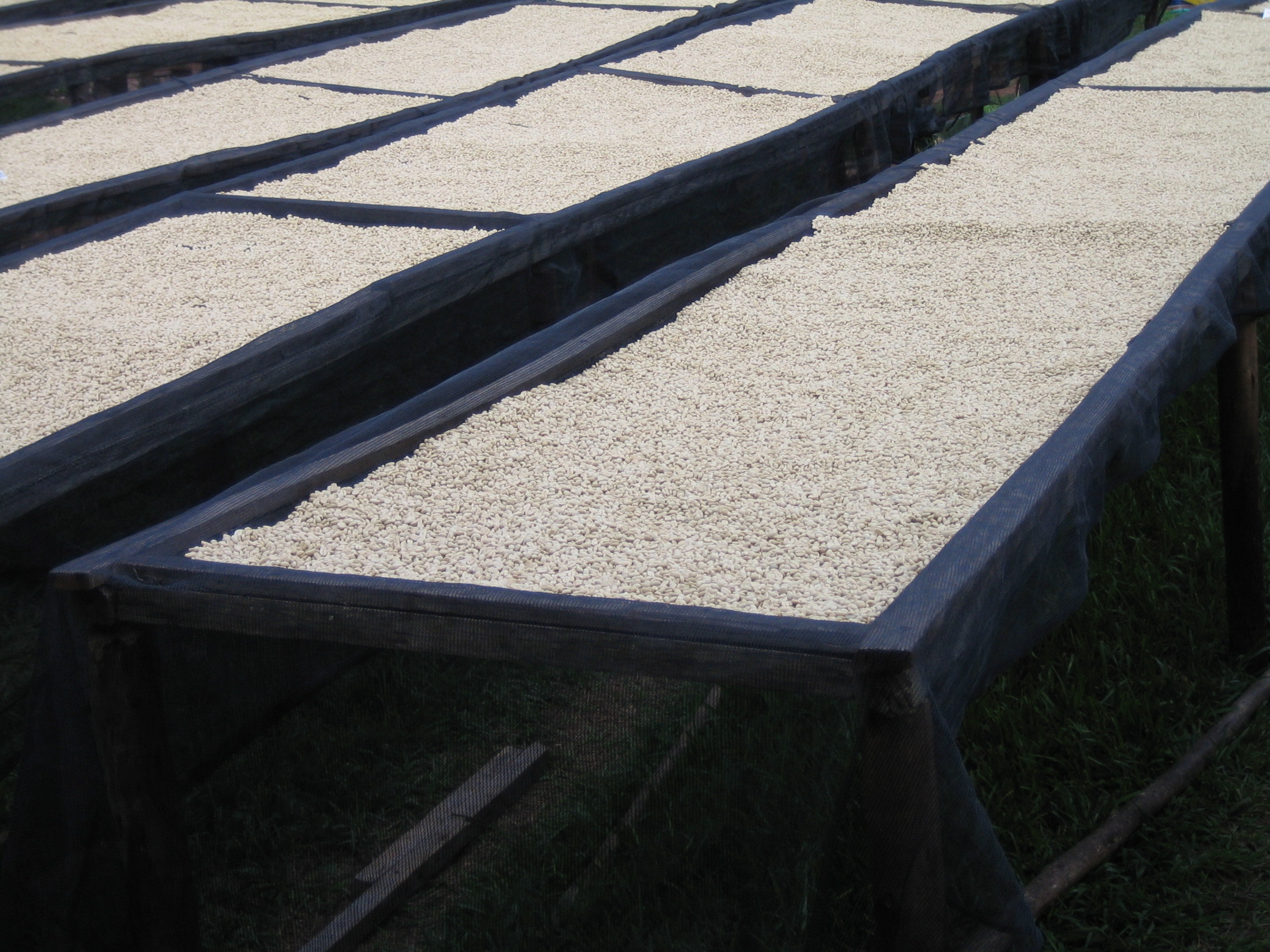

For exporters, the arithmetic is concrete. Presidential envoy on agriculture Wandile Sihlobo said the loss of AGOA would add a 3.4 percent tariff onto the 12.5 percent tariffs the United States already has in effect against South Africa, according to BusinessTech. That is a cost borne first by American buyers and South African sellers, and it lands on goods that compete on thin margins — fruit, wine and car parts among them.
What happens next
The calendar now matters more than the announcement. Minister Tau said South Africa will have 60 days to address the concerns raised by the United States before any suspension, full or partial, could take effect — a window that runs alongside the 1 January termination date and leaves room, in principle, for a negotiated reprieve. Neither country had issued an immediate response to the announcement itself at the time Al Jazeera published, though Pretoria's pre-announcement statements had already set its line: prepared, and open to dialogue.
The programme itself continues for its remaining beneficiaries: after expiring in September 2025, it was retroactively extended to December 2026 and then extended to the end of 2028, according to BusinessTech. For South Africa and Rwanda, the question is whether the 60-day window produces a deal that restores their standing — or whether January brings a new tariff bill for the cars, citrus and coffee that once entered America duty-free.
Updates & corrections
Published 3 November 2026.
No updates or corrections have been made to this article since publication.
Sources
- Al Jazeera, "US to suspend South Africa and Rwanda from duty-free trade access", 2 November 2026, on the termination effective 1 January 2027, Greer's statement, the $1.7bn of South African exports under AGOA in 2025, the eligibility criteria, Rwanda's 2018 suspension, the trade department's 10 percent / 1 percent figures, and Ramaphosa's search for new markets: aljazeera.com
- Moneyweb (Bloomberg), "South Africa, Rwanda lose access to Agoa", 2 November 2026, on the Trade Representative's late-Monday statement, the 1,800-plus products covered, the annual review, Rwanda's deteriorating relations with the US over the Congo conflict, and Minister Tau's Friday remarks: moneyweb.co.za
- BusinessTech, "United States deals severe blow to South Africa", 2 November 2026, on South Africa's 54 percent share of AGOA-related exports, Sihlobo's 3.4 percent tariff figure, Tau's 60-day window, and the programme's extension to the end of 2028: businesstech.co.za
- NovaNews, "South Africa AGOA Exclusion and Its Economic Impact", 2 November 2026, on the National Agricultural Marketing Council's $20.8 million welfare estimate and 1.3 percent output cut, and the trade department's economic response package: novanews.co.za
- IOL, "This Transnet terminal handled more than 700,000 vehicles in the past year", 23 October 2026, on Durban Container Terminal handling 728,000 twenty-foot equivalent units in the 2025/26 financial year: iol.co.za