Key points
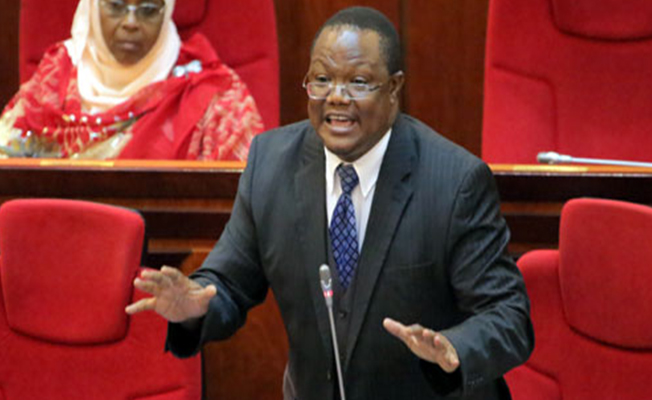
- Tanzania's High Court acquitted opposition leader Tundu Lissu of treason on Friday but sentenced him to four years in prison for incitement, ending a trial that lasted more than 18 months.
- The three-judge panel ruled that prosecutors had failed to prove Lissu intended to intimidate or overthrow the government — the element the treason charge required.
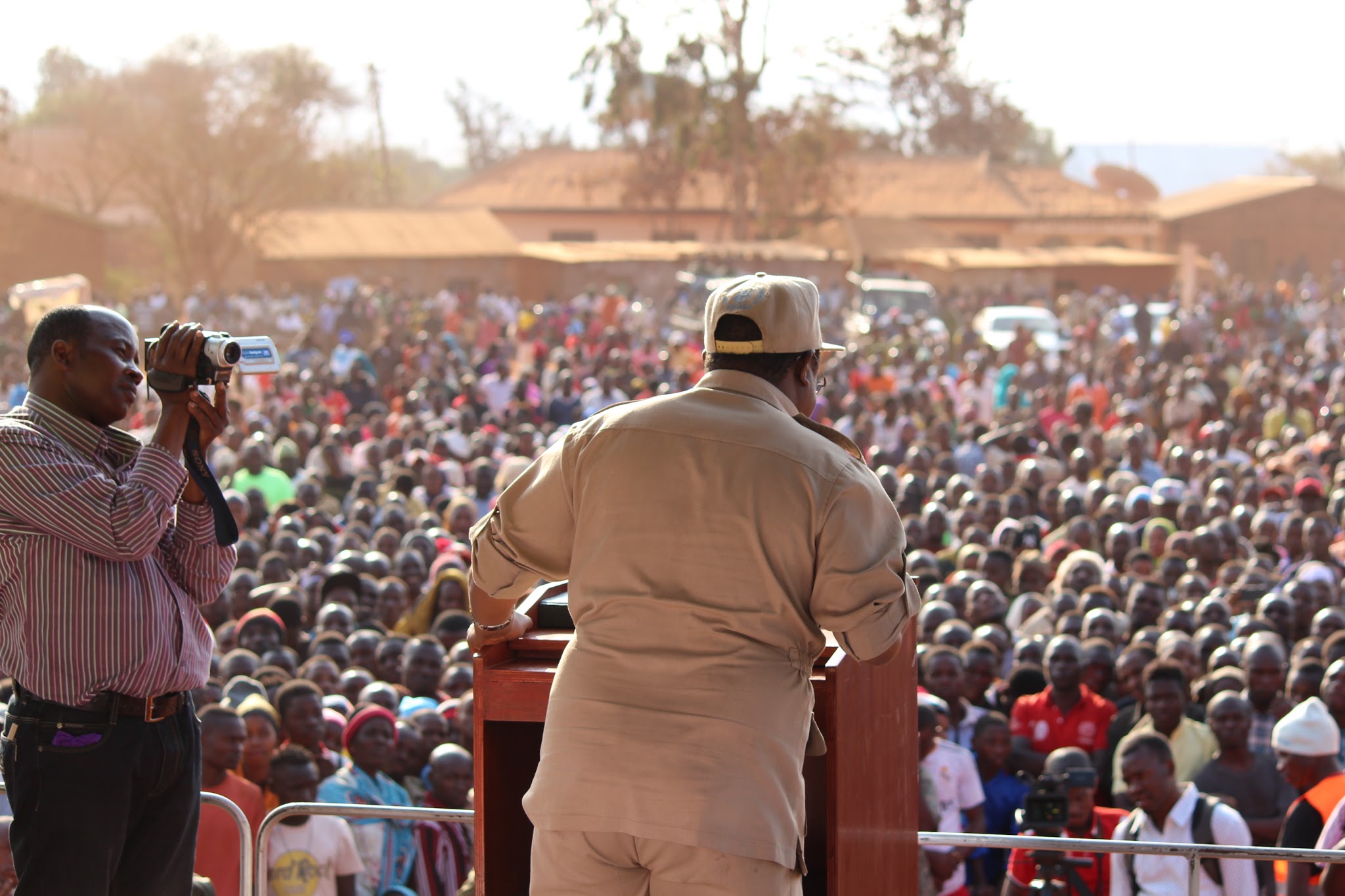
- The case arose from a speech in April 2025 in which prosecutors said Lissu told supporters the opposition would "block the election" and "mobilise rebellion".
- Lissu, 58, who leads the opposition party Chadema, called the trial "political persecution" and said excuses were created to imprison him; his party says it will appeal.
- The verdict comes a year after the October 2025 election, which President Samia Suluhu Hassan was declared to have won with 98% of the vote, amid protests over the vote.
Tanzania's High Court has acquitted the country's main opposition leader, Tundu Lissu, of treason but sentenced him to four years in prison for incitement, in a verdict handed down in Dar es Salaam on Friday. The ruling ends a case that has kept Lissu behind bars since his arrest in April 2025 and drew international condemnation.
The key figures
| Measure | Figure | Source |
|---|---|---|
| Sentence for incitement | Four years in prison | Reuters; Al Jazeera |
| Charge cleared | Treason, which carried the death penalty | Reuters; Al Jazeera |
| Judges on the panel | Three — Justices Dunstan Ndunguru, James Karayemaha and Ferdinand Kiwonde | The Citizen |
| When Lissu was arrested | April 2025 | Reuters |
| Speech at the centre of the case | 3 April 2025, at Chadema headquarters in Dar es Salaam | Igihe |
| President Hassan's declared vote share, October 2025 election | 98% | Al Jazeera |
| Government's death toll from the election protests | 518 | Al Jazeera |
Why treason failed — and incitement stuck
The three-judge panel, chaired by Justice Dunstan Ndunguru alongside Justices James Karayemaha and Ferdinand Kiwonde, found that the prosecution had failed to prove a critical element of treason: that Mr Lissu intended to intimidate or overthrow the government, The Citizen reported. But using its powers under Section 319 of the Criminal Procedure Act, the court convicted him of the lesser alternative offence of incitement under Section 390 of the Penal Code and sentenced him to four years in prison.
"We are satisfied that through his statements, the accused intended to disrupt elections and instigate violence," one judge told a courtroom packed with Lissu's supporters, Al Jazeera reported. "We sentence you to four years in prison, but the doors are open for appeal," the judge added.

The speech and the arrest
The charge related to a speech Lissu gave in which prosecutors said he told supporters that the opposition would "block the election" and "mobilise rebellion", Reuters reported. The speech was given on 3 April 2025 at Chadema's headquarters in Dar es Salaam, according to Igihe, and Lissu was arrested later that month. He pleaded not guilty, arguing during the trial that his speech did not violate any law and that the charges were politically motivated, Reuters reported.
Chadema, the Party for Democracy and Development, is Tanzania's main opposition party, and Lissu is its national chairman. He had campaigned under the slogan "No Reforms, No Election", calling for electoral reforms before the October 2025 general election — a slogan the court found was sufficient to establish the incitement offence, the People's Daily reported.


"Political persecution"
Lissu responded in court that the trial was "political persecution", accusing the judges of following orders from the government of President Samia Suluhu Hassan, Al Jazeera reported. "Excuses were created to imprison me," he told the court. "I was not charged with incitement but you judges are convicting me with it just to impress the person who gives you the titles. I believe these were directives," he said.
The treason case drew criticism from British and European Union lawmakers, who described it as politically motivated and called for Lissu's immediate release, Al Jazeera reported. It was the third high-profile treason trial in mainland Tanzania's history; the first two, in the 1970s and 1980s, involved defendants accused of plotting to overthrow and assassinate the country's founding president, Julius Nyerere.
Lissu, 58, has faced repeated arrests, and in 2017 he survived an assassination attempt in which he was shot 16 times, an attack he believes was politically motivated and which required him to undergo nearly 20 surgeries, Al Jazeera reported.
The election behind the case
Lissu was arrested before the October 2025 presidential vote, as the government carried out a wave of detentions and abductions targeting opponents and critics, Al Jazeera reported. The clampdown sparked huge protests during the election, which President Hassan was declared to have won with 98% of the vote. Security forces responded by killing thousands of demonstrators, according to the opposition and rights groups; the government put the death toll at 518.
The verdict is the second high-profile sentencing of an opposition figure in a week: Hong Kong activist Joshua Wong was jailed for 10 years on Thursday for foreign collusion. Read more: Hong Kong activist Joshua Wong sentenced to 10 years for foreign collusion
What happens next
Chadema says it will appeal the four-year sentence and seek bail, its spokesperson Brenda Rupia told Reuters, and the court has granted Lissu leave to appeal to Tanzania's Court of Appeal. The appeal will decide whether the incitement conviction — and the prison term that keeps the opposition leader behind bars — stands. Europe Unfolded will report the appeal, and any ruling from the Court of Appeal, as they are confirmed.
Updates & corrections
Published 6 November 2026.
No updates or corrections have been made to this article since publication.
Sources
- Reuters, "Tanzanian court clears opposition leader Lissu of treason", 6 November 2026, on the acquittal on treason and the four-year incitement sentence; the arrest in April 2025; the speech in which prosecutors said Lissu told supporters the opposition would "block the election" and "mobilise rebellion"; Lissu pleading not guilty and calling the charges politically motivated; and the party's plan to appeal: reuters.com
- Al Jazeera, "Tanzania court jails opposition leader for incitement, lifts treason charge", 6 November 2026, on the three-judge panel dismissing the treason charge that carried the threat of a death sentence; the judge's remarks in court; Lissu's response calling the trial "political persecution"; the 2017 assassination attempt in which he was shot 16 times; the criticism from British and EU lawmakers; the case being the third high-profile treason trial in mainland Tanzania's history; the October 2025 election result of 98% for President Hassan; and the two accounts of the protest death toll: aljazeera.com
- The Citizen, "The 577-day odyssey: Tundu Lissu's legal journey", 6 November 2026, on the three-judge panel chaired by Justice Dunstan Ndunguru alongside Justices James Karayemaha and Ferdinand Kiwonde; the acquittal on treason for failure to prove intent to intimidate or overthrow the government; and the conviction for incitement under Section 319 of the Criminal Procedure Act and Section 390 of the Penal Code: thecitizen.co.tz
- Igihe, "Tanzania opposition leader Tundu Lissu sentenced to four years in prison", 6 November 2026, on the speech of 3 April 2025 at Chadema headquarters in Dar es Salaam and the arrest in April 2025: en.igihe.com
- People's Daily, "Tanzania court sentences Tundu Lissu as treason case takes new turn", 6 November 2026, on the court finding that the "No Reforms, No Election" slogan was sufficient to establish incitement, and on Lissu being granted leave to appeal to the Court of Appeal: peopledaily.digital