Key points
- Santiago Peña resigned as president of Paraguay on Thursday after the collapse of digital lender Ueno Bank left about three million customers unable to reach their money, and the lower house of Congress voted 78-0 to impeach him minutes later.
- Paraguay's central bank seized Ueno on Tuesday after finding it had breached minimum solvency requirements; the bank held close to $850 million in public funds, Reuters reported.
- Eight senior bank executives have been detained, and prosecutors have charged 27 bank officials and business associates with offences including breach of trust, the Associated Press reported.
- Vice President Pedro Alliana is set to take over as president and serve out Peña's term through August 2028.
Paraguay's President Santiago Peña has resigned after the collapse of a major digital bank froze the savings of millions of people, plunging a country long prized by foreign investors for its stability into a political and financial crisis. Read more: Bank of England raises rates to 4% in first hike since 2023 as energy prices push inflation higher
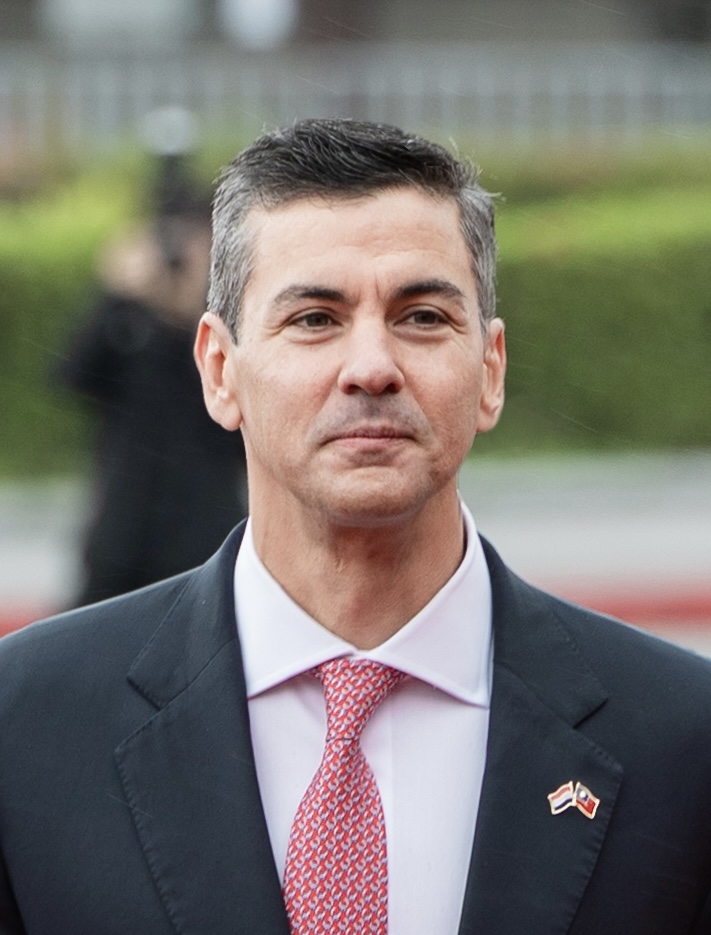
"I have made the decision to submit my resignation as president of the republic," Peña said in a video posted to X, according to the Associated Press. "I do so thinking of the stability of our country, social peace and the need to preserve our democratic institutions."
Peña, a 47-year-old former International Monetary Fund economist and an ally of US President Donald Trump, offered an apology but stopped short of accepting responsibility for the banking crisis. "I also want to apologize to the people if I have failed them at any point," he said. "It was never my intention to betray the trust they placed in me."
The bank at the centre of the crisis
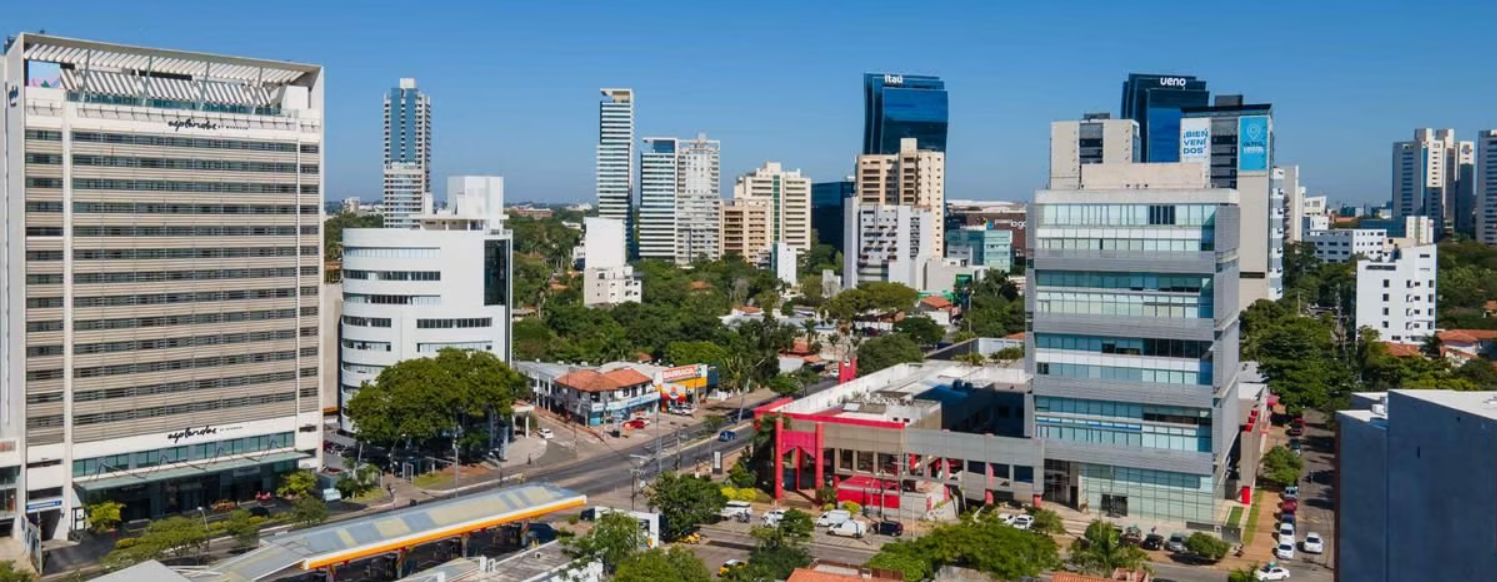
Ueno Bank went from an obscure finance company to a household name in less than five years. Soon after winning its banking licence in 2023, the digital lender lured customers with generous cash-back offers on groceries, grew to more than 70 locations, sponsored Paraguay's national soccer team and put its name on the country's main stadium, the Associated Press reported.
As of last month, Ueno reported holding roughly $800 million in public deposits, about a quarter of its total, including money from the state pension and health fund and the operators of Paraguay's giant hydroelectric dams. But worries were escalating inside the central bank: in June, its inspectors found a pattern of risky lending to companies tied to the bank's owners, beyond what the law allows and without enough collateral, the newspaper ABC Color reported. On a single day in September 2025, nearly $39 million had gone to three such companies.
Peña had repeatedly brushed off the warnings, and as recently as last month he defended Ueno and the central bank's oversight. But on Monday, regulators investigating the bank's loans to companies linked to its owners found poorly documented lending, the central bank said, as well as expenses the bank had wrongly counted as assets. Once the books were corrected, Ueno's capital — the cushion banks must keep to absorb losses — fell to less than half the legal minimum.

The key figures
| Measure | Figure | Source |
|---|---|---|
| Ueno customers unable to access accounts | About 3 million | Reuters |
| Share of Paraguay's adults who were customers | More than 60% | Associated Press |
| Public funds administered by Ueno | Close to $850 million | Reuters |
| Public deposits held as of last month | About $800 million | Associated Press |
| Lower-house impeachment vote | 78-0 | Associated Press |
| Senior bank executives detained | 8 | Associated Press |
| Bank officials and associates charged | 27 | Associated Press |
| Fall in the guaraní on Thursday | Nearly 5% | Reuters |
Impeached minutes after resigning
The central bank seized the lender on Tuesday and announced plans to move customers' accounts, along with whatever assets still hold value, to other banks before liquidating what is left. Ueno's app, cards and transfers went dark and its branches locked their doors, leaving depositors lined up outside with no way to cash out their savings. On Wednesday, a rush to open new accounts elsewhere crashed other banks' mobile apps, fuelling public panic.
By Thursday morning, a rebellion by several members of Peña's own conservative Colorado Party had become a party-wide revolt, and both of the ruling party's main factions in the lower house pledged to back impeachment, after former president Horacio Cartes, the party's powerful leader, withdrew his support for Peña. The lower house then voted unanimously, 78-0, to impeach him just minutes after he announced his resignation — a vote that sends the charges to the Senate, where a two-thirds majority is required to convict the president and formally remove him from office.
Thousands had protested for a third day, attempting to recoup lost savings, wages and pensions from the bank. On Wednesday, hundreds of retirees, depositors, university students and workers flooded the streets of Asunción, and riot police fired pepper spray and rubber pellets to push back the crowds. Officials said they had begun repaying depositors, opening new accounts elsewhere for about 280,000 people who had banked only with Ueno.
Authorities have detained eight senior Ueno executives, including founder Miguel Vázquez and bank president Juan Manuel Gustale. Prosecutors also charged 27 bank officials and business associates with offences including breach of trust and attempted fraud. Lawyers for several of the detained said they needed time to review the allegations before they could comment.
Lawmakers had accused Peña of conflicts of interest, misuse of pension funds and institutional cover-ups linked to the collapse. Peña had held a stake in a company related to Ueno Bank until last year, and he had appointed Carlos Carvallo, president of Financiera Ueno, the predecessor to Ueno Bank, to run the central bank, the agency charged with supervising the digital lender. Carvallo resigned at Peña's request, and Pedro Acosta Bernal was appointed interim central bank president on Wednesday.

What happens next
Congress was expected to formally accept Peña's resignation at 5 p.m. on Thursday, clearing the way for Vice President Pedro Alliana to be sworn in as president an hour later. Alliana would serve out Peña's term through August 2028, with lawmakers expected to choose a new vice president.
Sovereign bond prices fell after Peña's resignation, Reuters reported, while Paraguay's guaraní weakened past 6,500 per dollar before closing at 6,490, down nearly 5% on the day. "The banking system is sound," insisted Pedro Acosta Bernal, the interim central bank president. Europe Unfolded will report developments as they are confirmed.
Updates & corrections
Published 6 November 2026.
No updates or corrections have been made to this article since publication.
Sources
- Reuters, "Paraguay President Peña resigns under mounting pressure from bank collapse", 5 November 2026, on the resignation, the roughly three million customers locked out of their accounts, close to $850 million in public funds, and the guaraní's fall: reuters.com
- Associated Press (via Gulf News), "Paraguay crisis over bank collapse: President Santiago Peña resigns", 5 November 2026, on the 78-0 impeachment vote, the eight detained executives, the 27 charged, the protests, and the transfer of power: gulfnews.com
- Associated Press (via The New Indian Express), "Paraguayan president impeached minutes after resigning following bank collapse", 5 November 2026, on the resignation video, the central bank's seizure of Ueno, and the deposit repayments: newindianexpress.com
- Al Jazeera, "Paraguay President Peña resigns in wake of bank collapse", 5 November 2026, corroborating the resignation, the impeachment motion, and the Ueno collapse: aljazeera.com
- Buenos Aires Herald, "Santiago Peña resigns as president of Paraguay", 5 November 2026, on the impeachment vote moving to the Senate, the charges against bank officials, and the protests: buenosairesherald.com
- Americas Society / Council of the Americas, "Paraguay's President Resigns. Why, and What Comes Next?", 5 November 2026, on Alliana assuming the presidency: as-coa.org