Key points
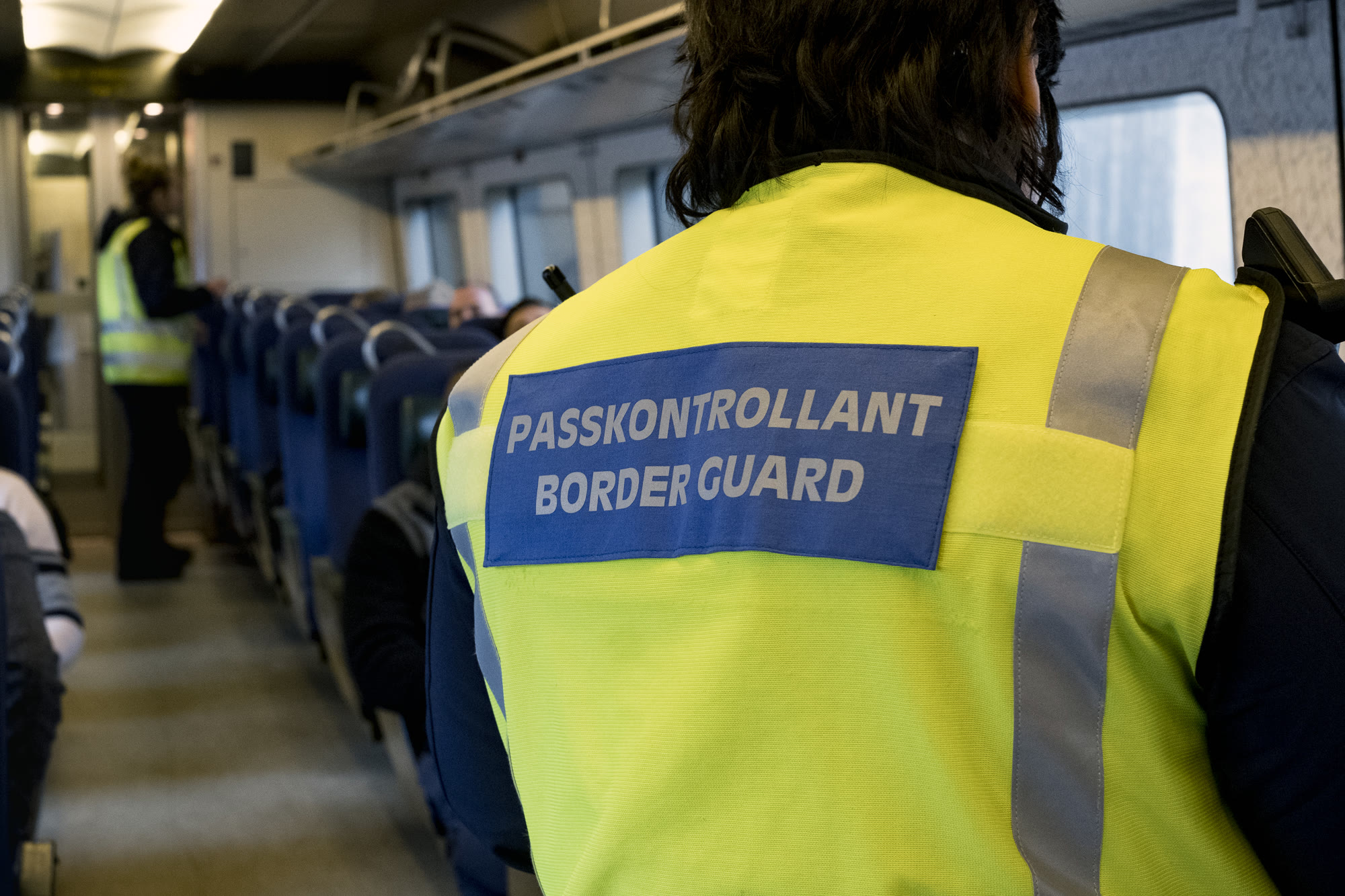
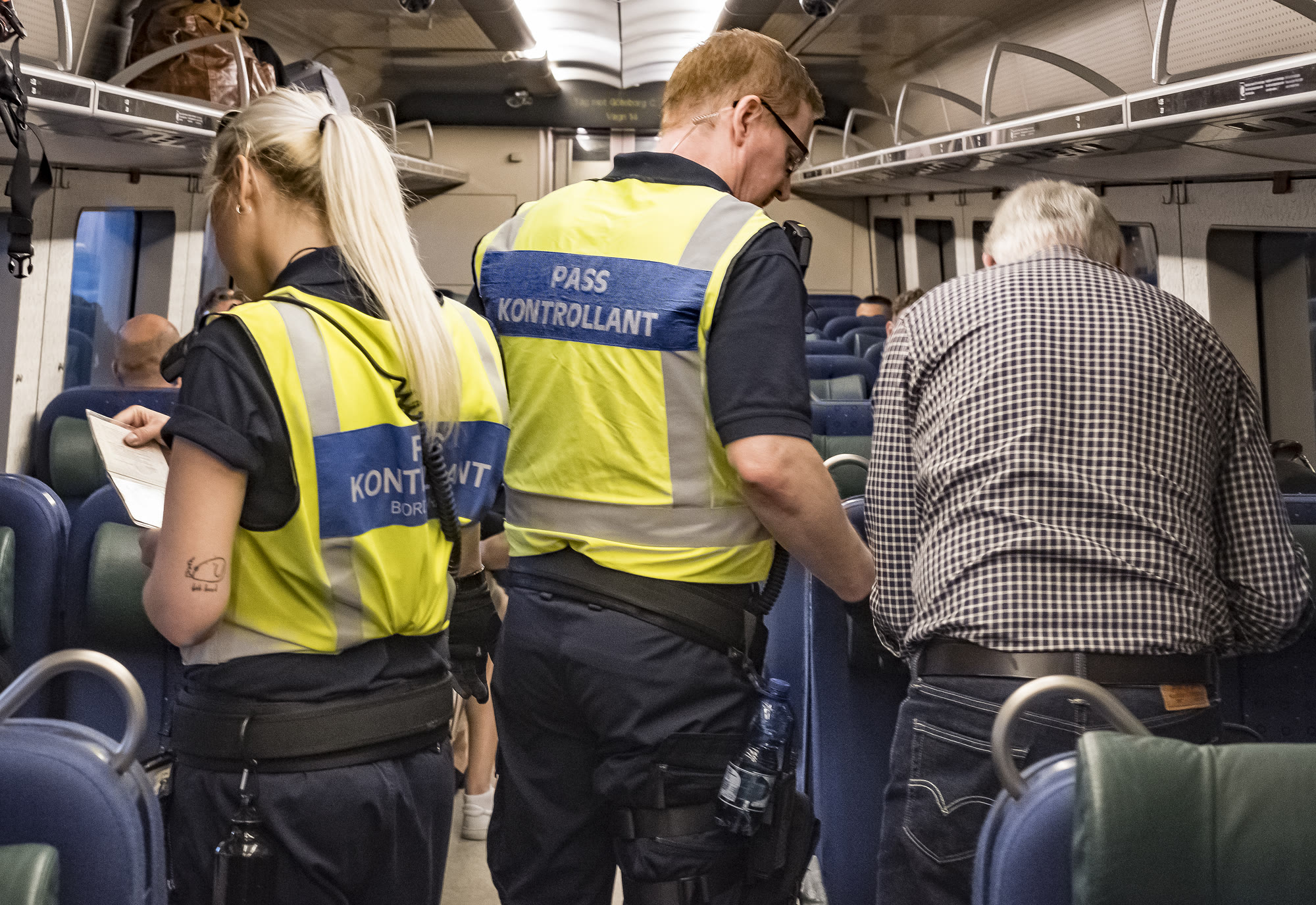
- Sweden will reintroduce checks at its internal borders for six months, from 12 November 2026 to 11 May 2027, the government announced on Thursday.
- The government said the decision rests on a serious threat to public order and internal security, driven by the security situation created by Russia's full-scale invasion of Ukraine and by hybrid threats and hostile actors operating inside the Schengen area.
- Justice Minister Gunnar Strömmer said Sweden's Security Service had recently warned of an increased threat of sabotage against Sweden and other EU member states.
- The controls have been in place in various forms since 2015 and are usually extended six months at a time; the new period begins as the current decision expires, and police will decide where and how checks are carried out.
- The decision comes in a week when at least 25 European flights were hit by hoax bomb threats and cyberattacks struck supermarket refrigeration systems in several countries.
Sweden will reintroduce checks at its internal borders for six months from 12 November, the government said on Thursday, as Europe braces for a campaign of sabotage and disruption that governments link to hybrid warfare. Read more: Bomb threats hit at least a dozen European flights in one morning, forcing diversions across the continent
"The assessment is based primarily on the serious security situation resulting from Russia's full-scale invasion of Ukraine, which has led to hybrid threats and hostile actors moving and operating within the Schengen area," the government said in its statement, Reuters reported. The controls will run until 11 May 2027.
The key figures
| Measure | Figure | Source |
|---|---|---|
| Length of the new border-control period | Six months | Swedish government, via Reuters |
| Date the controls take effect | 12 November 2026 | Swedish government, via Reuters |
| Date the controls run until | 11 May 2027 | Swedish government, via Reuters |
| European flights hit by hoax bomb threats on Thursday | At least 25 | Reuters, via The National |
| Years Sweden has had internal border controls in various forms | Since 2015 | Sweden Herald |
What the minister said
"This concerns, among other things, an increased threat of sabotage against Sweden and other EU member states, something the Security Service recently warned about," Justice Minister Gunnar Strömmer said, according to the Sweden Herald.
The government said the controls matter because they help the authorities detect people entering the country who may threaten public order and security. The police will decide where and how the checks take place, the government said.
On Wednesday, Sweden's Security Service, Säpo, warned that the risk of Russian sabotage in Sweden had increased, and that it had worsened only in recent months, the Sweden Herald reported. Attacks and threats have targeted several countries near Sweden, including the discovery in August of a drone fitted with explosives at Leipzig airport, near Ukrainian cargo planes. According to Säpo, it has become clear that Russia is focusing more on "tangibly" stopping military support for Ukraine.

A week of disruption across Europe
The decision comes in a week of disruption across Europe. A series of hoax bomb threats hit airlines from Ireland to Bulgaria on Thursday morning, for the second time this week, with some of the at least 25 affected flights making unplanned landings or being escorted by fighter jets, The National reported. On Tuesday, at least seven flights and a cruise ship received bomb threats, and no explosives were found in the earlier incidents, Times Now reported.
Unidentified hackers also twice shut down refrigeration systems in supermarkets in several European countries, The National reported, and France's national blood service was hit by a cyber incident on 2 November, Times Now reported. The attacks on supermarket refrigeration forced stores to discard large quantities of fresh and frozen food.
Controls that never really went away
Sweden has had internal border controls since 2015, the Sweden Herald reported. They are usually extended for six months at a time, but after two years the government must provide a new justification for why they are needed. In 2024, the reason was organised crime; now the government is reintroducing the controls citing the serious security situation resulting from Russia's full-scale invasion of Ukraine.
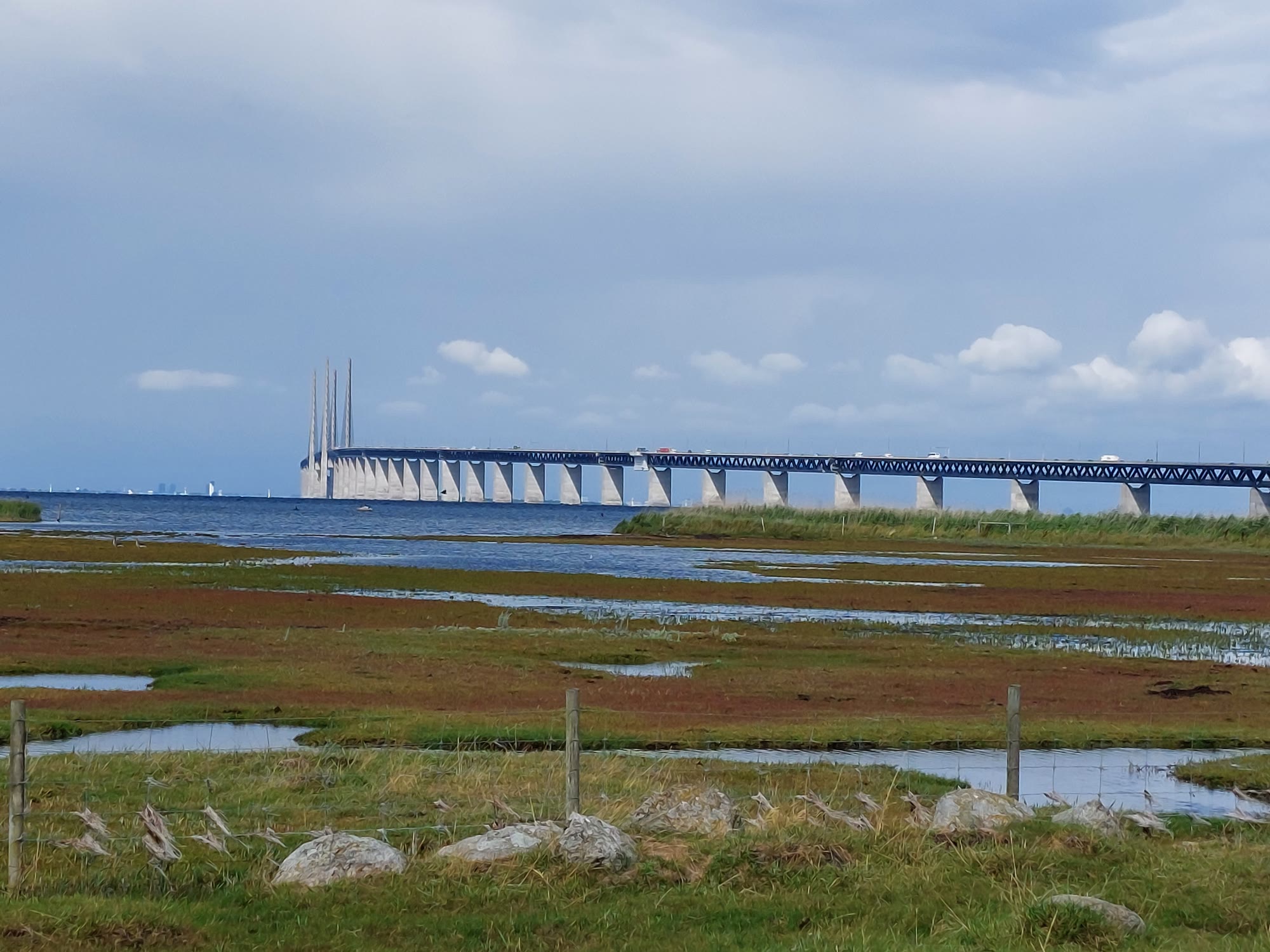

Several other countries in the Schengen area, including France, Germany, Norway and Denmark, have also reintroduced internal border controls, the government said, according to the Sweden Herald.
What happens next
The controls take effect on 12 November, when the previous decision expires, and run for six months. The police will decide where and how the checks are carried out. Europe Unfolded will report developments as they are confirmed.
Updates & corrections
Published 5 November 2026.
No updates or corrections have been made to this article since publication.
Sources
- Reuters, "Sweden reintroduces internal border control, citing security situation", 5 November 2026, on the six-month period, the 12 November start and 11 May 2027 end, and the government's assessment: reuters.com
- Sweden Herald, "Sweden to Reinstate Internal Border Controls Amid Increased Threat of Russian Sabotage", 5 November 2026, on Strömmer's remarks, the Säpo warning, the Leipzig drone, controls since 2015, and other countries' controls: swedenherald.com
- The National, "Sweden reintroduces border controls as wartime closes in on Europe", 5 November 2026, on the sabotage threat, the 25 flights hit by hoax bomb threats, and the supermarket refrigeration cyberattacks: thenationalnews.com
- Times Now News, "More Flights Forced Into Emergency Landings Across Europe After Fresh Bomb Threats", 5 November 2026, on the Tuesday wave of threats, the French blood service cyber incident on 2 November, and the food discarded after the refrigeration attacks: timesnownews.com