Key points
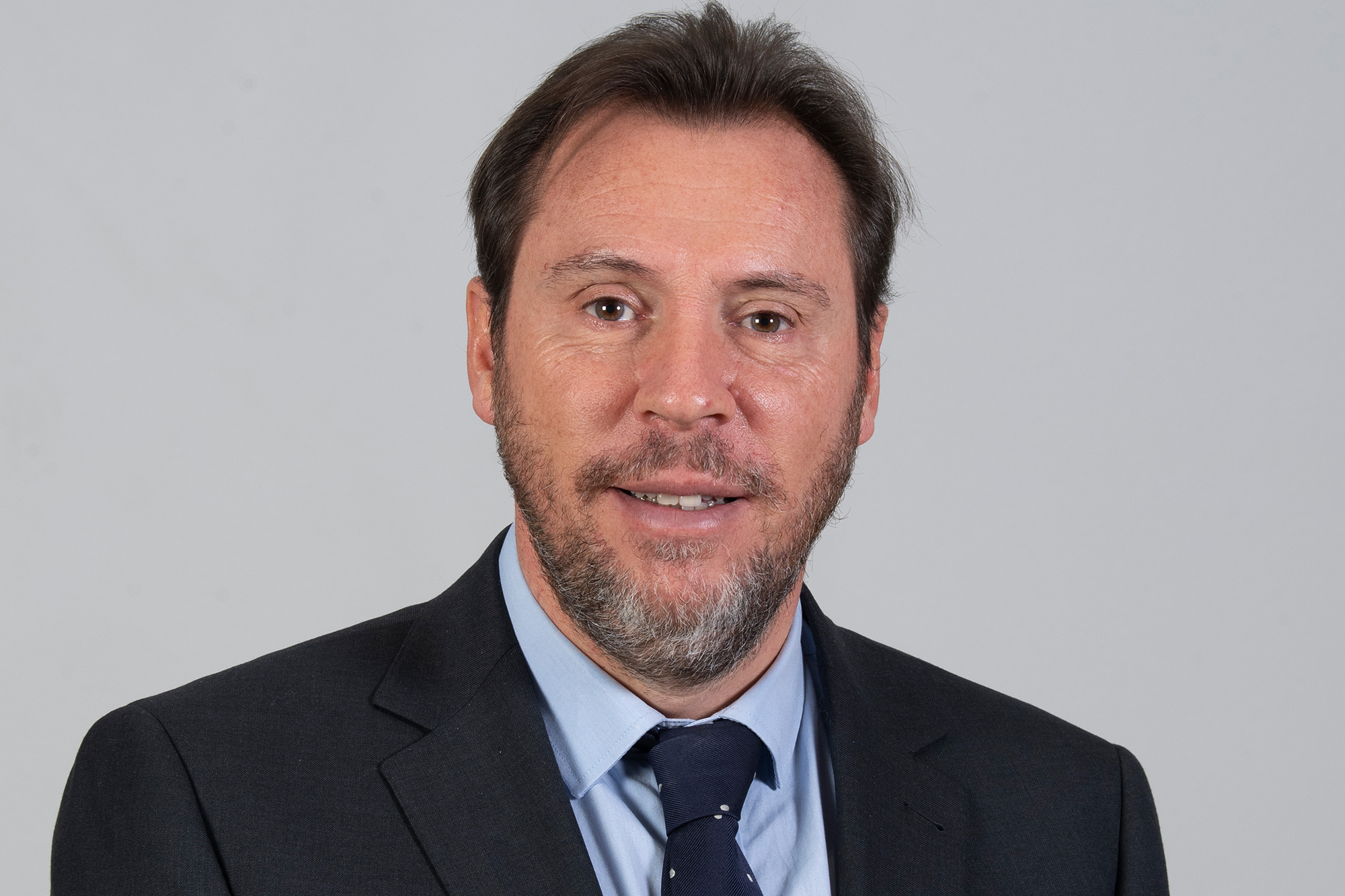
- Spain's transport minister Óscar Puente told lawmakers on Tuesday 3 November 2026 that he will resign after two deadly high-speed train crashes in less than a year, without saying when he will leave his post, Reuters reports.
- Puente said he had taken the decision after the crash near Urda on 28 October 2026, which killed 69 people, but stayed in the job to tackle the consequences and take measures to prevent such accidents happening again, Reuters reports.
- Demócrata reports that Puente will also not stand on the Socialist Party's lists for the general election on 29 November 2026 — reversing the government's position earlier on Tuesday, when sources said he would stay in office and remain the party's leading candidate in Valladolid.
- On the same day, the cabinet approved a victim aid package doubling the amounts paid under compulsory passenger insurance, with advance compensation payments, while Puente set out safety measures for the Madrid–Seville line; the cause of the Urda crash has not yet been established.
Puente announced his decision during an appearance before Congress's standing committee, the Diputación Permanente, where he had gone to explain the Urda collision. In his own words to lawmakers, reported by Reuters: “A transport minister in a country like Spain cannot continue in office with two accidents of this severity in less than a year.” The announcement ended days of mounting pressure, but it left the most practical question unanswered: he gave no date for his departure. Read more: Spain's economy grows 0.6% in third quarter, keeping its lead over France and Germany
A reversal in a single day
The speed of the reversal is what makes Tuesday remarkable. The day began with Puente defending his continued leadership of the transport ministry at the press conference after the Council of Ministers, arguing that he had not taken decisions that contributed to the accident, Demócrata reports. Government sources had assured reporters that Puente would not resign, that Prime Minister Pedro Sánchez would not remove him, and that his candidacy as the Socialist Party's leading candidate in Valladolid for the 29 November election was not in question.
By the evening, that position had collapsed. Demócrata reports that the resignation announcement came after that appearance and after the government's explicit support for him earlier in the day, and that it changes the scenario the government itself had described only hours earlier. Puente had also drawn a distinction during the day between calls for his resignation from Ada Colau, which he said he could understand, and those from the People's Party and its leader Alberto Núñez Feijóo, whom he criticised for applying a double standard, Demócrata reports.
The hearing itself took place under intense pressure. Demócrata reports that, before Puente spoke, Sumar, Podemos, Compromís, the BNG, the PNV and Junts had demanded that he step aside or be removed, while ERC had opted first to listen to his explanations. Parliament has been dissolved ahead of the 29 November election, which is why the standing committee — the only body of Congress still sitting — heard him rather than the full chamber.

The two crashes
The Urda collision on 28 October was the second deadly high-speed crash on the same Madrid–Seville corridor this year, Reuters reported ahead of Tuesday's hearing. It killed 69 people, and it followed the January 2026 crash at Adamuz, in Córdoba, which killed 46 people. Together, the two disasters put the safety of Spain's high-speed network — and the minister responsible for it — at the centre of the election campaign, less than a month before voters go to the polls.
Puente had previously refused to resign, saying his way of taking responsibility was to explain what happened and fix the system, Reuters reported. On Tuesday he presented a different kind of response alongside his announcement: services on the Madrid–Seville line will be reduced until Spain's Railway Safety Agency reviews the line's safety system and the government completes the delayed rollout of the European Rail Traffic Management System, he told reporters, according to the Straits Times' account of the Reuters report. He also set out a 40 kph speed limit for cases where a driver must rely on vision to spot obstacles ahead after a signal system fails.
The cabinet, meeting on Tuesday, approved an emergency aid package for the victims and their families, doubling the amounts paid under compulsory passenger insurance and providing a mechanism for advance compensation payments, with improved temporary incapacity cover, Reuters reported ahead of the hearing. The technical and judicial investigations into the Urda collision remain open, and its cause has not been established.
The key figures
| Measure | Figure | Source |
|---|---|---|
| Urda collision | 28 October 2026, 69 deaths | Reuters |
| Adamuz collision | January 2026, 46 deaths | Reuters |
| Parliamentary appearance | 3 November 2026, Diputación Permanente | Reuters; Demócrata |
| Victim aid approved by the cabinet | Twice the compulsory passenger-insurance amounts, plus advance payments | Reuters |
| General election | 29 November 2026 | Demócrata |
What happens next
What happens next is, for now, uncertain in two respects. First, Puente has not said when he will actually leave office, so it is not yet clear how the ministry will be handed over — or whether he remains in post until a successor is named. No successor had been named in the reporting available at publication. Second, the election timetable does not pause: Demócrata notes that the announcement comes 26 days before the general election, and Puente's withdrawal from the Socialist lists means the party must settle its Valladolid candidacy in the middle of a campaign already dominated by the rail disasters.

For the victims' families, the immediate measures are the aid package and the safety changes on the Madrid–Seville line. For Spanish politics, the question is whether Puente's departure closes the argument over political responsibility for the two crashes, or whether it simply moves it — to the investigations still under way, and to a prime minister who defended his minister until the day he quit.
Updates & corrections
Published 4 November 2026.
Puente announced on 3 November 2026 that he will resign, without specifying when he will leave office; the general election is scheduled for 29 November 2026. No corrections have been made.
Sources
- Reuters, Spain's transport minister says he will resign after latest deadly train crash, 3 November 2026, on Puente telling lawmakers he will resign after two deadly crashes in less than a year, his decision after the 28 October crash that killed 69 people, and his staying on to tackle the consequences and prevent future accidents: reuters.com
- Demócrata, Óscar Puente resigns and will not be on the PSOE lists for next 29N, 3 November 2026, on Puente's resignation announcement, his withdrawal from the party's election lists, the government's earlier position that he would stay and remain the Valladolid lead candidate, and the demands made before his committee appearance: democrata.es
- Reuters via The Straits Times, Spain to reduce Madrid-Seville trains until European management system installed, 3 November 2026, on reduced Madrid–Seville services until the safety review and European signalling rollout are complete, and the 40 kph limit when a driver must rely on vision after a signal failure: straitstimes.com
- Reuters, Spain readies aid for rail crash victims, transport minister to face lawmakers, 3 November 2026, on the Urda crash as the second accident on the same line this year after the January crash that killed 46 people, Puente's earlier refusal to step down, the hearing before the standing committee, and the cabinet aid package doubling compulsory insurance payouts with advance payments: reuters.com