Key points
- Ukrainian drones struck the Ryazan region overnight, and a fire broke out at the Rosneft-owned Ryazan oil refinery, one of Russia's largest, footage verified by the independent Russian outlet Astra showed.
- The region's governor, Pavel Malkov, said more than 200 drones attacked the region, fires broke out at industrial sites, power lines were damaged and one person was injured; power was later restored.
- The refinery is the fifth Russian refinery struck since 30 October, according to Euromaidan Press, after the Yaroslavl plant was hit on Monday night, marking the breakdown of a pause in strikes.
- The attacks strain diesel supplies as Russia begins shipping diesel to the United States under an October deal with President Donald Trump; at least six cargoes have signalled transatlantic voyages, but none has yet arrived.
- Russia said its forces struck a postal logistics hub, a power substation and a cargo ship in Ukraine; Ukrainian officials did not immediately confirm those strikes.
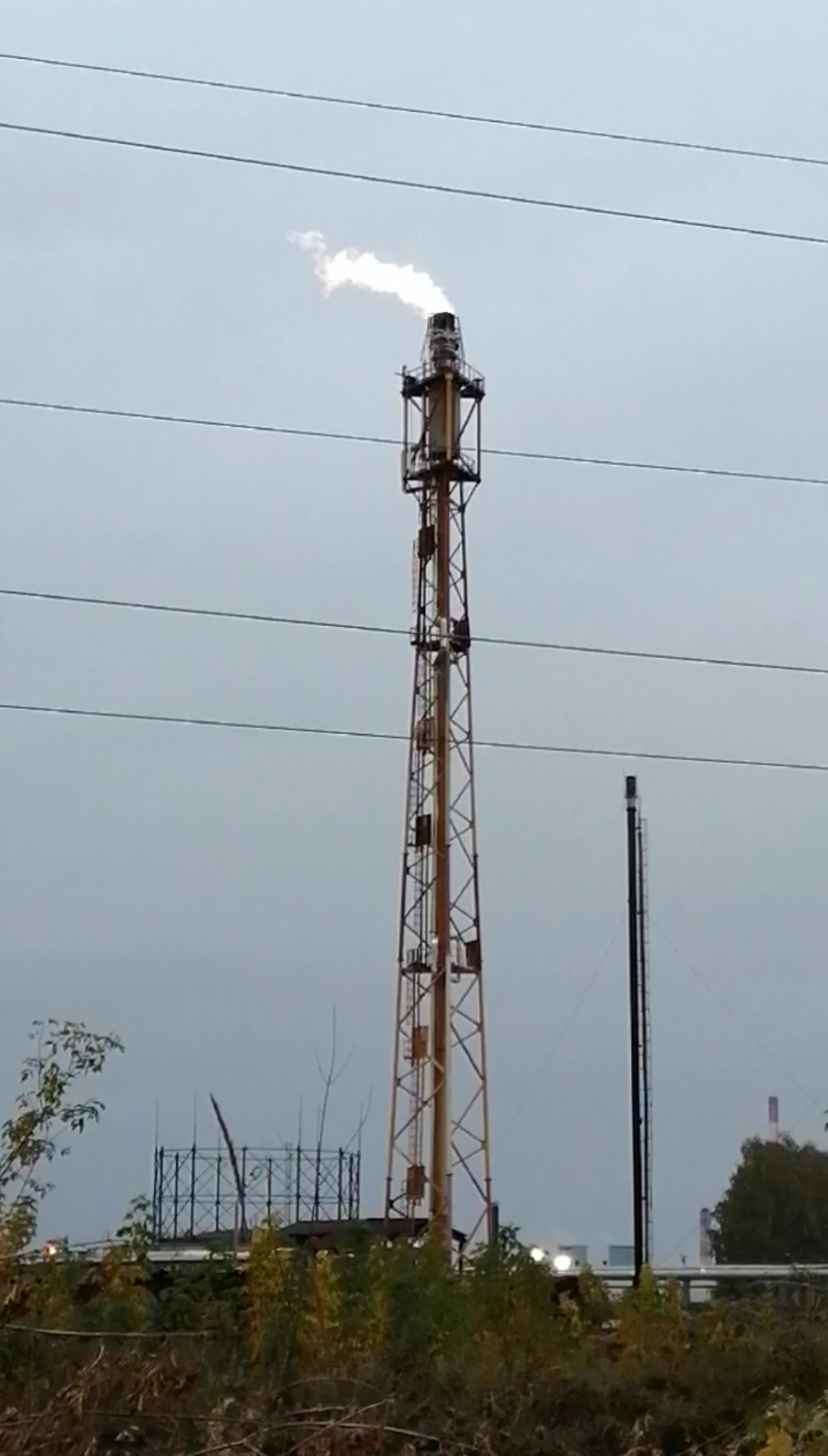
Ukrainian drones struck Russia's Ryazan region overnight, and a fire broke out at the Rosneft-owned Ryazan oil refinery, one of the country's largest, as attacks on Russian fuel plants resumed after a pause. Read more: Two oil tankers and a tugboat catch fire in the Strait of Hormuz, Iran's Revolutionary Guards say
Ryazan's governor, Pavel Malkov, said more than 200 Ukrainian drones had attacked the region overnight. He said falling debris caused fires at several industrial sites and damaged power lines, cutting electricity to parts of the city, and one person was injured. He later said power had been restored and the fires had been extinguished or contained. The governor did not name the sites that were hit.
The key figures
| Measure | Figure | Source |
|---|---|---|
| Drones that attacked the Ryazan region overnight | More than 200 | Governor Pavel Malkov, via Al Jazeera |
| People injured in the Ryazan region | 1 | Governor Pavel Malkov, via Al Jazeera |
| Ryazan refinery's annual crude processing capacity | More than 17 million tonnes | Reuters / Euromaidan Press |
| Russian refineries struck since 30 October | 5, including Ryazan | Euromaidan Press |
| Russian diesel cargoes signalling transatlantic voyages | At least 6 | Kpler and LSEG shipping data, via Reuters |
| Cargoes that changed course after heading for the US Atlantic coast | 2 | Kpler and LSEG shipping data, via Reuters |
| Russian diesel cargoes arrived in the US since the deal | 0 | Shipping data, via Reuters |
What happened at the refinery
Footage verified by the independent Russian outlet Astra showed a fire at the Ryazan oil refinery, Al Jazeera reported. A Reuters video analysis found the refinery, one of Russia's largest, appeared to have come under attack as part of a large drone strike overnight on industrial sites in the city, southeast of Moscow.


The plant, operated by the state energy company Rosneft, processes more than 17 million tonnes of crude a year and supplies petrol, diesel and jet fuel to Moscow and central Russia. It has been attacked repeatedly this year: after a strike on 15 October, one of its primary crude distillation units shut down, two industry sources told Reuters.
A wider pattern of strikes
Ryazan is the fifth Russian refinery struck since 30 October, when strikes resumed after about two weeks without a reported refinery fire, according to Euromaidan Press. If the Ryazan hit is confirmed, it would be the second refinery to be hit this week, following an attack on the Yaroslavl plant, northeast of Moscow, overnight on Monday, marking the breakdown of a pause in strikes, Reuters reported.
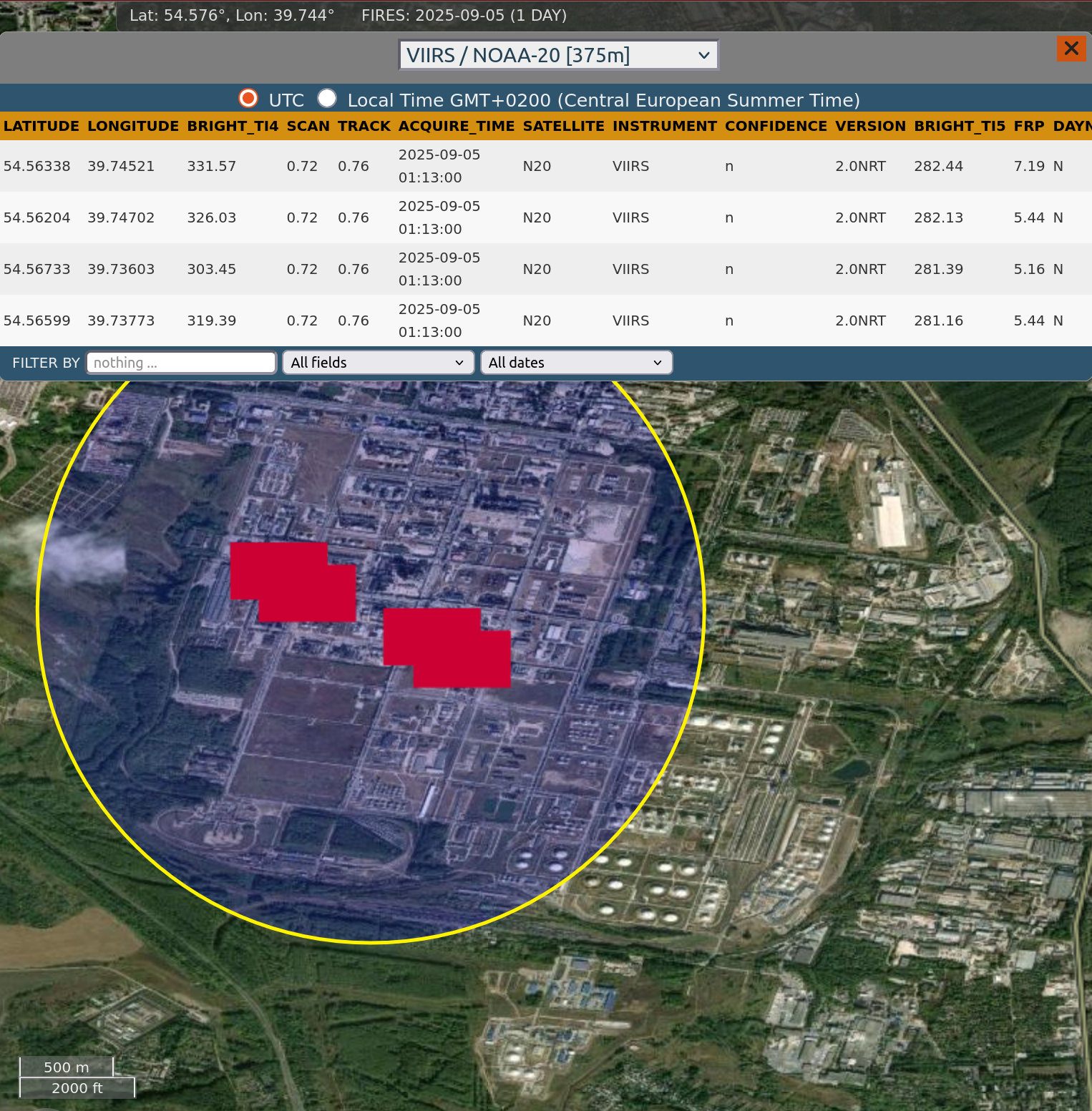

Ukrainian outlets, citing Telegram channels, also reported a fire at a large Wildberries logistics centre in the region. "It's evident that Ukraine has intensified its strikes on Russian oil refineries" after a brief pause in late October, Al Jazeera's Yulia Shapovalova said, reporting from Moscow. Ukraine's strikes on oil refineries this year have forced large amounts of processing capacity in western Russia offline, causing fuel shortages that meant Moscow had to enforce fuel export bans from April onwards, Reuters reported.
The diesel deal with Washington
The renewed attacks add to Moscow's difficulty in addressing domestic fuel shortages while it ships diesel to international markets under an export deal with US President Donald Trump, Reuters reported. A ban on diesel exports has been lifted in part, and the US struck the deal in October with the Kremlin to resume diesel exports to international markets when Trump was seeking to calm diesel prices ahead of the midterm elections on 3 November, which his Republican Party lost.
At least six Russian diesel cargoes have broadcast that they plan transatlantic voyages, shipping data from Kpler and LSEG show, while two cargoes appeared to have changed course after being previously bound for the US Atlantic coast. No Russian diesel cargo has arrived in the US since the deal, the data show. The first observed US-bound Russian shipment is expected to arrive in New York this weekend, but regulatory, legislative and sanctions concerns mean that its discharge is not guaranteed, Kpler analyst Matt Smith said.
"These are commercial loadings, so naturally the details cannot be made public. All the diesel will find its buyers," Kremlin spokesman Dmitry Peskov told reporters. Kremlin envoy Kirill Dmitriev said Russian diesel cargoes destined for the US are continuing on course, in a post on X. There is no connection between diesel tankers changing course and the result of the US midterm elections, Peskov added.
Russia says it hit Ukrainian sites
Russia, meanwhile, said its forces had used drones to hit a terminal of Nova Poshta, Ukraine's largest private delivery company, in the village of Novyi Korotych outside Kharkiv. Moscow also said it struck a 330-kilovolt substation in the Dnipropetrovsk region and a dry cargo ship carrying military equipment in the Black Sea, 52km southwest of the port of Odesa, Al Jazeera reported. Ukrainian officials did not immediately confirm the strikes on the postal terminal or the vessel.
Kharkiv's governor, Oleh Syniehubov, said Russia had attacked the city and 17 settlements in the region over the past day with more than 80 drones, injuring six people, including a child. In the eastern Donetsk region, the governor, Vadym Filashkin, said Russian attacks killed four civilians and injured five others on Wednesday.
What happens next
The first observed US-bound Russian diesel shipment is expected to arrive in New York this weekend, though whether it is allowed to discharge remains uncertain. Ukraine, Russia and the US are also due to meet in Abu Dhabi on 10–11 November, after talks in Berlin between Ukraine's president, Volodymyr Zelenskyy, and Germany's chancellor, Friedrich Merz. Europe Unfolded will report developments as they are confirmed.
Updates & corrections
Published 5 November 2026.
No updates or corrections have been made to this article since publication.
Sources
- Reuters, "Renewed refinery attacks deplete Russian diesel supply as US deal in focus", 5 November 2026, on the Ryazan refinery appearing to have come under attack, the Yaroslavl attack on Monday and the breakdown of the pause in strikes, the fuel shortages and export bans, the diesel cargoes and the first US-bound shipment, and the Peskov and Dmitriev remarks: reuters.com
- Al Jazeera, "Russia says Ukrainian postal hub, ship hit; Kyiv strikes Ryazan refinery", 5 November 2026, on Governor Malkov's account of more than 200 drones, the fires, the power cuts and the one person injured, the Astra-verified fire at the refinery, the Yaroslavl attack two days earlier, and Russia's reported strikes on the Nova Poshta terminal, the substation and the cargo ship: aljazeera.com
- Euromaidan Press, "Five refineries in a week: drones set Russia's Ryazan fuel plant on fire", 5 November 2026, on Ryazan being the fifth refinery struck since 30 October, the refinery's capacity and fuel supplies, and the shutdown of a primary crude unit after the 15 October strike: euromaidanpress.com