Key points
- London Underground drivers will strike on eight days between late November and late February, the RMT union announced on Friday 6 November 2026.
- The eight 24-hour walkouts fall on 26 November; 17 and 19 December; 4 and 6 January; and 17, 23 and 25 February. Each begins at noon.
- The dispute is over London Underground's proposed new working arrangements, including a voluntary four-day week.
- The RMT says the changes would mean longer driving time, longer duties, earlier starts and later finishes, and warns they could pave the way for hundreds of job cuts.
- London Underground says the voluntary four-day week would give drivers 35 extra days off a year, on rosters based on a 34-hour week. Aslef, the other drivers' union, has challenged the decision to strike.
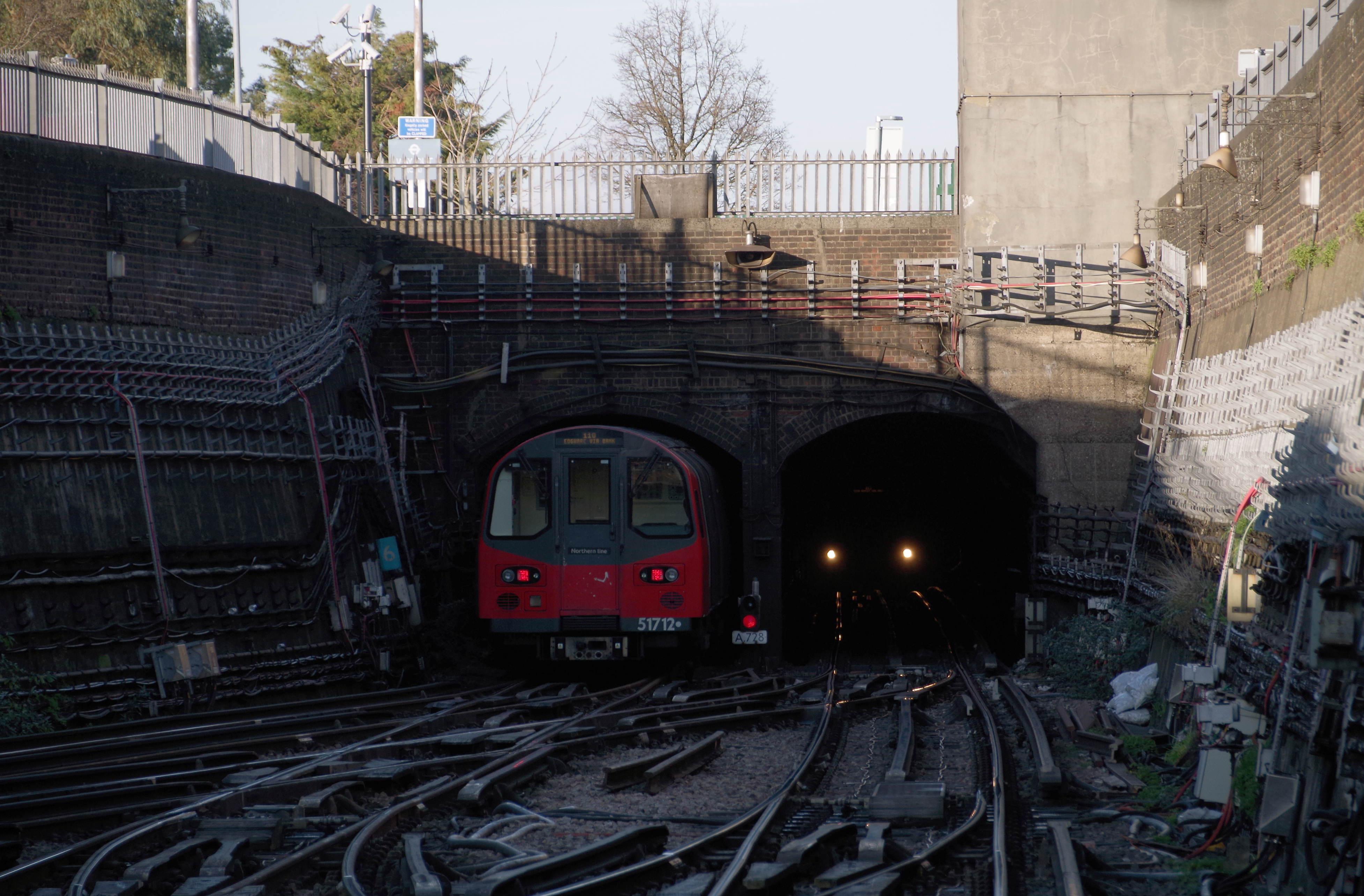
London Underground drivers will stage eight days of strike action between the end of November and late February, in a dispute over new working arrangements. The Rail, Maritime and Transport union (RMT) announced the action on Friday, saying its Tube driver members would walk out for 24 hours on each of the eight dates. Read more: Dockworkers strike at 113 ports in 22 countries over arms shipments and seafarers killed in wars
The walkouts are planned for Thursday 26 November; Thursday 17 and Saturday 19 December; Monday 4 and Wednesday 6 January; and Wednesday 17, Tuesday 23 and Thursday 25 February. Each strike begins at noon and lasts 24 hours, so each one runs into the following day.
What the union objects to
The dispute centres on London Underground's proposals for how drivers' working weeks are organised, including a voluntary four-day week. The RMT says the plans would worsen conditions for drivers, requiring them to drive trains for longer, work longer duties, and start earlier and finish later. The union also warned that the plans could pave the way for hundreds of job cuts.
RMT general secretary Eddie Dempsey said: "London Underground is attempting to dress up a wholesale attack on drivers' working conditions as a voluntary four-day week."

What London Underground says
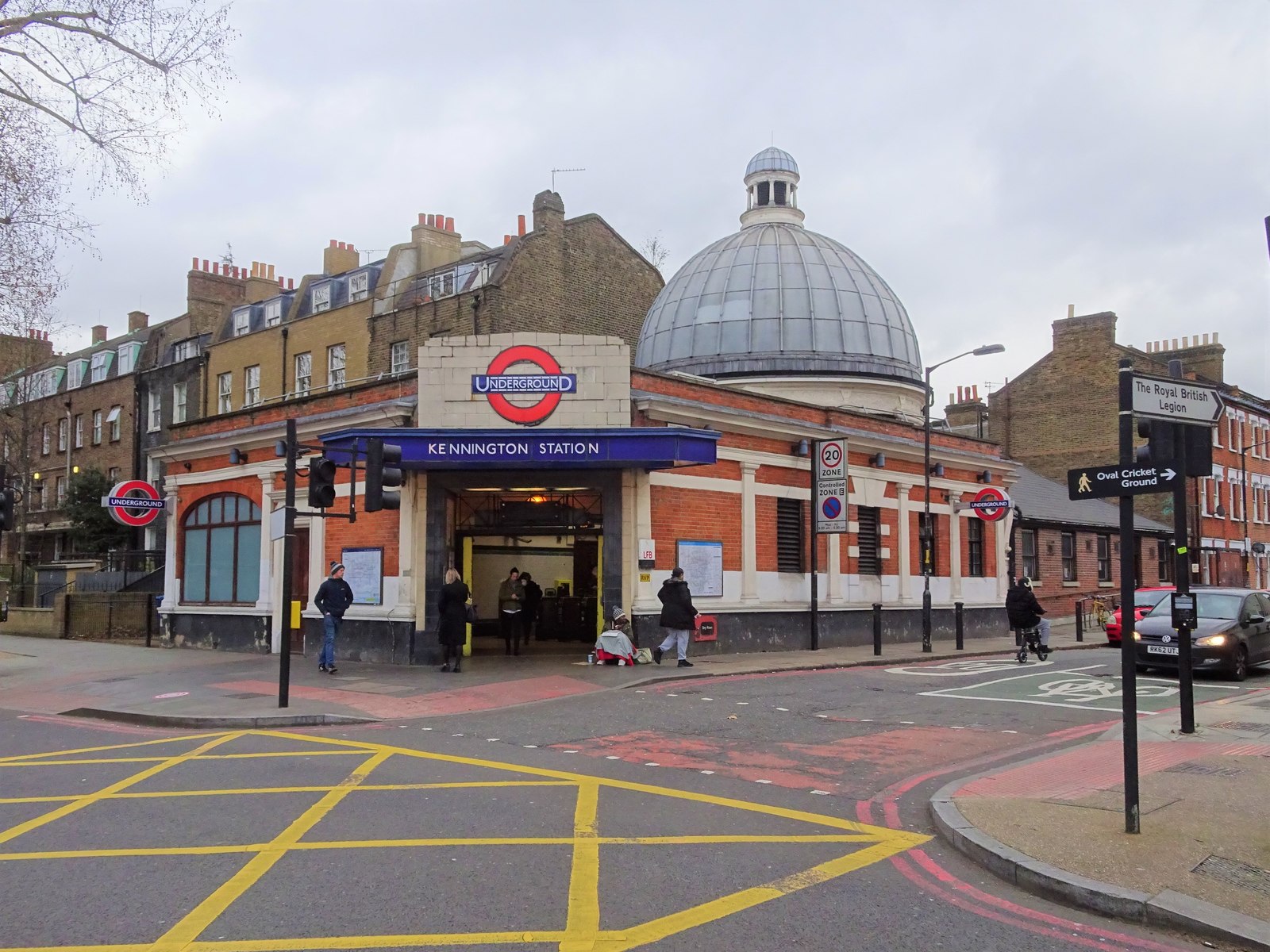
London Underground has presented the four-day week as voluntary, saying it would give drivers an extra 35 days off every year, with rosters based on a 34-hour week, in return for changes to working conditions and a move to electronic rather than paper-based systems for booking on for duty.
Aslef, the other union representing Tube drivers, has challenged the RMT's decision to strike. Its full-time organiser on London Underground, Finn Brennan, said the voluntary four-day week would give drivers an additional 35 days off annually. Transport for London, which runs the Tube, did not immediately respond to a request for comment.
The key figures
| Measure | Figure | Source |
|---|---|---|
| Strike days announced | 8 | RMT, via Reuters |
| First strike | Thursday 26 November 2026, from noon | RMT, via Reuters and PA |
| Last strike announced | Thursday 25 February 2027, from noon | RMT, via Reuters |
| Length of each walkout | 24 hours | RMT, via Reuters |
| Extra days off a year under London Underground's proposal | 35 | London Underground, via PA |
| Working week under London Underground's proposal | 34 hours | London Underground, via PA |
What happens next
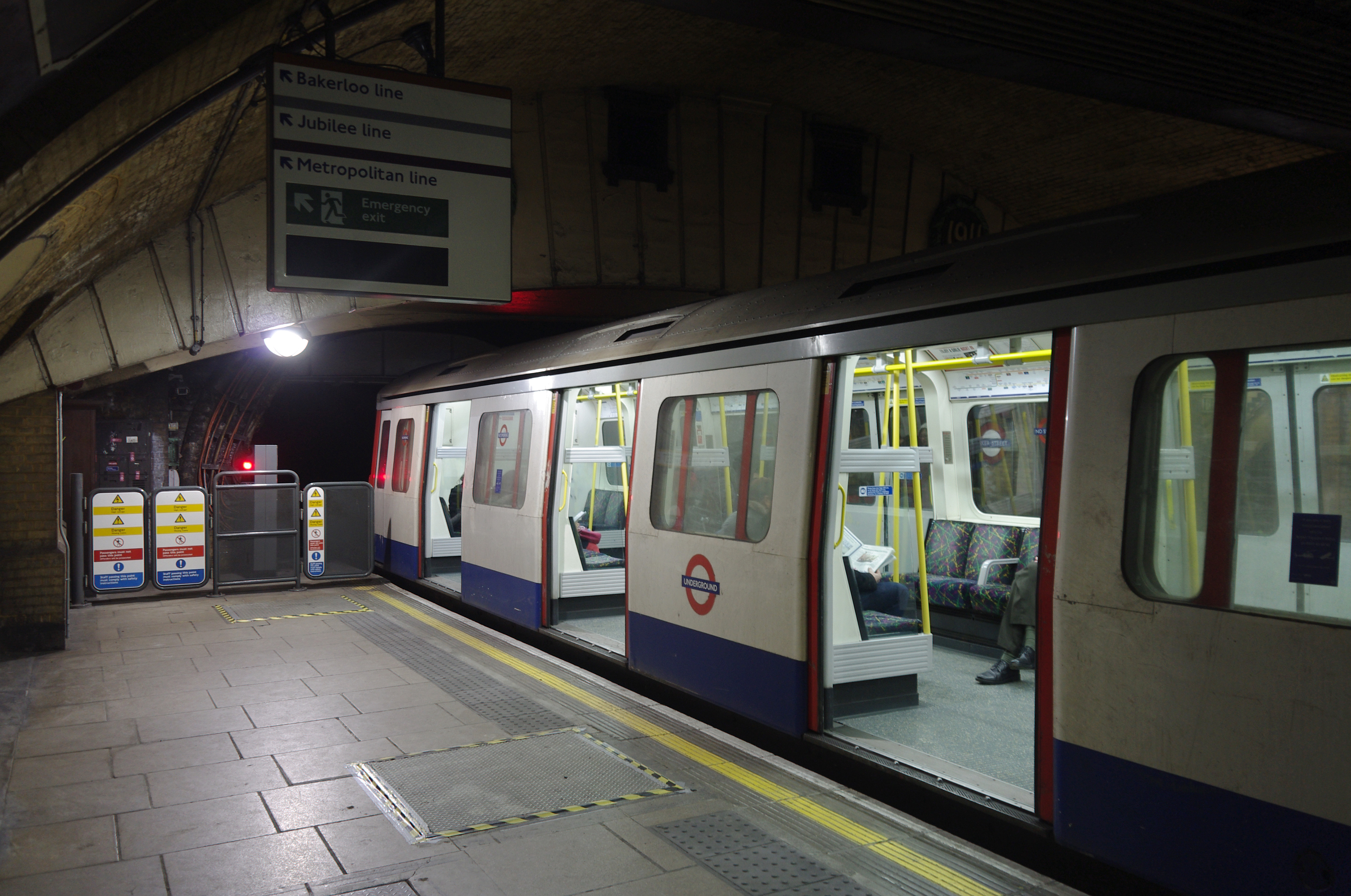

The first walkout is set to begin at noon on Thursday 26 November, with the last of the eight announced dates falling on Thursday 25 February. No further strike dates have been announced. Europe Unfolded will report any change to the strike dates as it is confirmed.
Updates & corrections
Published 6 November 2026.
No updates or corrections have been made to this article since publication.
Sources
- Reuters, "London tube drivers to hold 8 days of strikes over winter", 6 November 2026, on the RMT announcing eight 24-hour strikes, the eight dates, the dispute over new working arrangements, longer driving time and duties, the warning of hundreds of job cuts, and Transport for London not immediately responding to a request for comment: reuters.com
- Press Association, via the Clacton and Frinton Gazette, "London Underground drivers to strike on eight dates", 6 November 2026, on the strikes beginning at noon, the RMT's position on working arrangements, Mr Dempsey's remarks, and London Underground's case for the voluntary four-day week, including 35 extra days off a year and a 34-hour week: clactonandfrintongazette.co.uk
- Share Talk, "London Underground drivers announce eight 24-hour strikes from November", 6 November 2026, on Aslef challenging the RMT's decision to strike and Mr Brennan's remarks on the voluntary four-day week: share-talk.com
- Secret London, "London is set to face major Tube strikes over the coming months", 6 November 2026, on each strike running from noon to noon and the eight dates: secretldn.com