Key points
- Dockworkers struck on Friday 30 October 2026 in what organisers say was a coordinated international day of action covering 113 ports in 22 countries.
- The action was originally called in Italy, France, Greece, Spain's Basque Country, Turkey and Morocco, and was backed by more than 25 unions, Reuters reported.
- In Piraeus, about 3,000 dockworkers and seafarers walked out, Reuters reported, disrupting cargo and suspending ferry services to the Greek islands.
- In France, the CGT dockers' union called a 24-hour strike; there were no trucks at Le Havre's two entrances on Friday morning, while the port operator described the overall impact there as limited.
- The strikers demand an end to the use of civilian ports for arms shipments, plus pay rises, better conditions and doctors on vessels crossing war zones; a campaign group's claim that 52,000 containers and $2.8 billion of cargo would be snarled could not be independently verified, Reuters said.
Dockworkers went on strike across Europe and beyond on Friday, disrupting shipping and ferries as they protested against the use of their ports for arms shipments and the number of seafarers killed in wars from the Gulf to the Black Sea. The stoppages covered major shipping hubs including Piraeus, Valencia, Le Havre, Algeciras and Genoa, as well as Morocco's Tangier Med and India's Nhava Sheva, Reuters reported. Read more: Mass protests sweep France as 410,000 march over living costs and school conditions
The scale is reported differently depending on who is counting. The Italian union USB said more than 25 port workers' unions, representing 113 ports in 22 countries and regions across five continents, were taking part, according to Port Technology International. The International Transport Workers' Federation, which backed the action, put the figure at more than 100 ports in 17 countries. Al Jazeera, reporting the organisers' count, put it at 110 ports and 25 trade unions. All three accounts agree on the shape of the day: a coordinated, cross-border stoppage, not a single-port dispute.
The key figures
| Measure | Figure | Source |
|---|---|---|
| Ports organisers say took part | 113 | Italian union USB, via Port Technology International |
| Countries and regions covered, organisers' count | 22 | USB / Al Jazeera |
| Unions backing the action | More than 25 | Reuters |
| Dockworkers and seafarers who walked out in Piraeus | About 3,000 | Reuters |
| French port workers covered by the CGT strike call | About 14,000, including 7,500 dockers | CGT, via AFP / Port Technology International |
| Containers campaigners said would be halted | About 52,000 (claim, not independently verified) | No Harbour for Genocide, via Reuters |
Where the stoppages bit
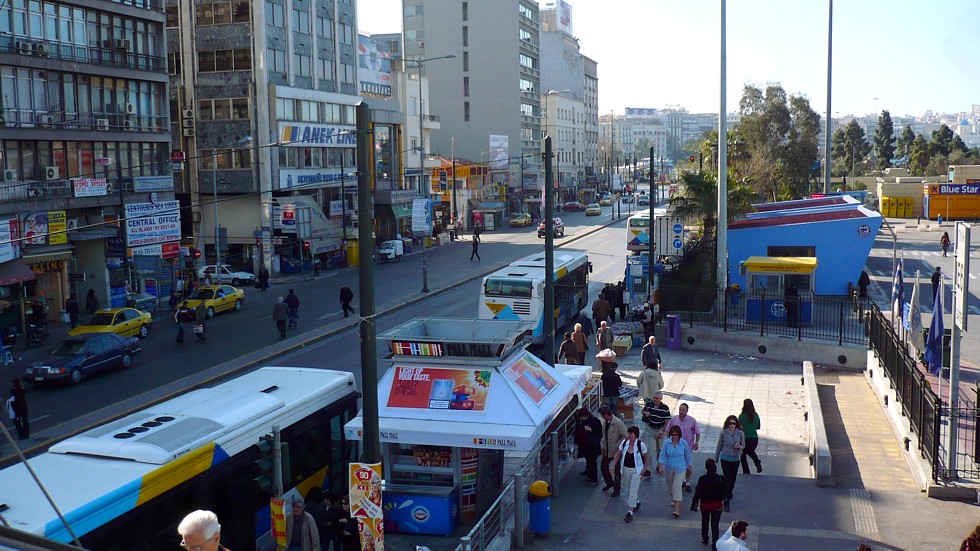
In Piraeus, the walkout hit both cargo and passengers. Cargo operations were disrupted and ferry services to the Greek islands were suspended as about 3,000 dockworkers and seafarers joined the action, Reuters reported. The Greek coastguard said most ferry links between the mainland and the Aegean islands were not running because of strikes by seafarers' and marine engineers' unions, Port Technology International reported. Blue Star Ferries cancelled several daytime departures from Piraeus, including Cyclades services and 12 high-speed sailings to the Saronic islands, while several other ferries were scheduled to leave Piraeus from 23:00.
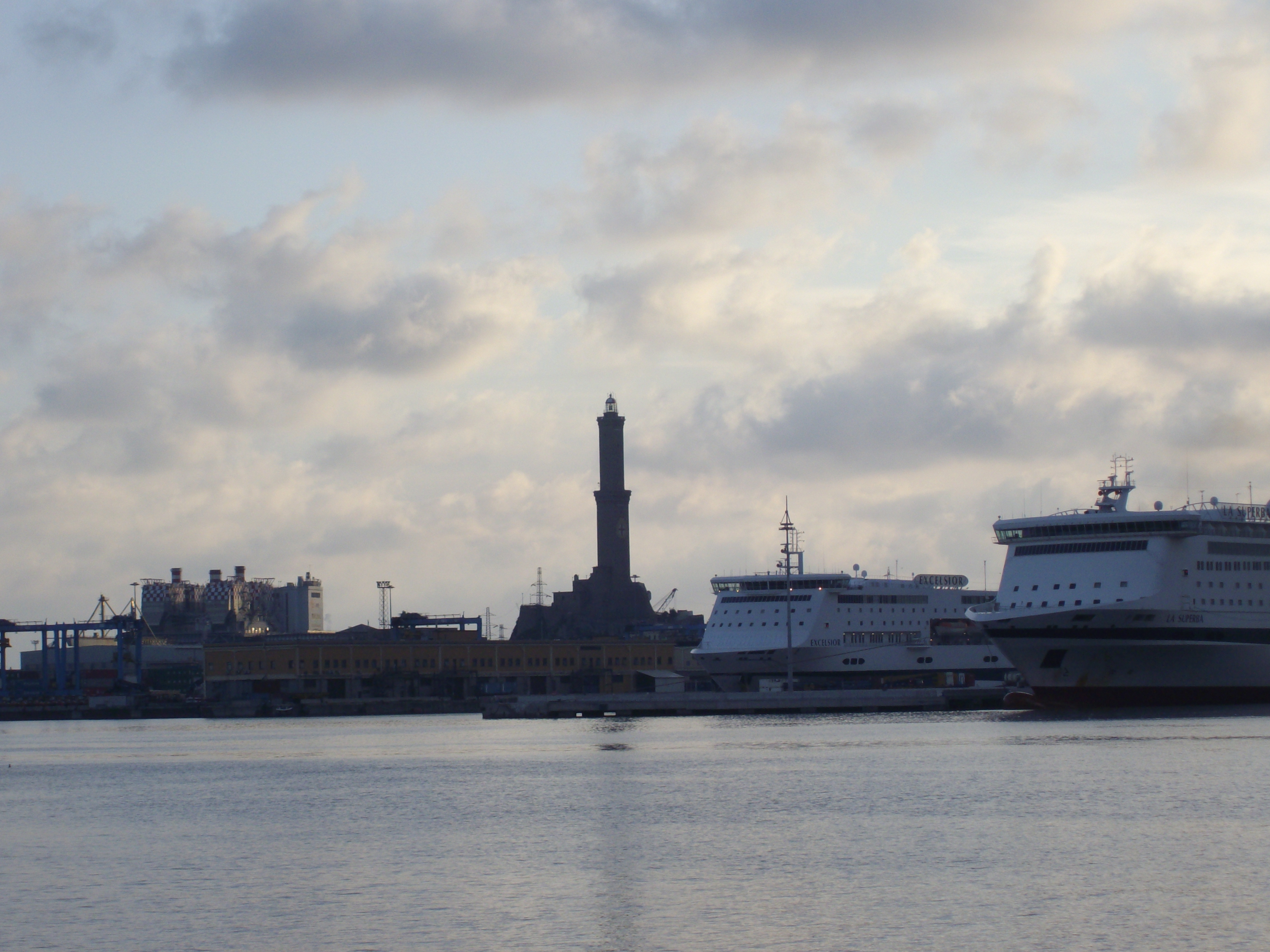

In France, where the CGT dockers' union called a 24-hour strike, there were no trucks at the two entrances to Le Havre on Friday morning, AFP reported, and a local CGT official said no cargo was being loaded or unloaded. The picture was uneven across French ports: Haropa Port, which manages Le Havre and Rouen, described the impact as limited, citing one cancelled cruise call and eight delayed vessel calls at Le Havre. At Dunkirk, the container terminal was not affected, but a CGT representative said terminals handling bulk, liquids and fuel were completely blocked. Port authorities at Nantes Saint-Nazaire said nine vessels at berth could not be worked, noting that the strike had been announced well in advance. CGT dockers' leader Tony Hautbois told AFP he expected 95 per cent of activity at French ports to stop.
In Spain, the Coordinadora union filed notice of a two-hour stoppage, from 13:00 to 15:00, at all state ports of general interest. The union opposes the EU Ports Strategy, adopted on 4 March 2026, and its support for dual-use facilities, warning that converting civilian terminals into logistics hubs for military cargo could put port workers' safety at risk, Port Technology International reported. In Italy, port demonstrations were held in Genoa, Livorno and Trieste, alongside a nationwide general strike called for the same day.
Why the unions stopped work
The central demand, as the unions put it, is that port facilities should not be used to transport weapons destined for war zones. That demand was set out in the Istanbul Declaration, published in May 2026 by dockworkers' unions from more than 35 European countries, which also declared 30 October their day of action, Al Jazeera reported. The International Transport Workers' Federation said the action concerns the movement of military cargo through civilian ports, and unions also oppose a draft EU regulation to ease the transit of defence equipment through civilian transport infrastructure, according to AFP via Port Technology International. Alongside the arms question, strikers called for pay rises, better working conditions and the right to have doctors on board vessels crossing war zones, Reuters reported, and the ITF said unions are also seeking better pay and conditions and opposing increasing automation. Dockworkers also pointed to the rising cost of essential goods and energy: the head of the Piraeus port dockworkers' union told Reuters his members could barely afford fuel to get to the supermarket.
The human cost behind the protest was the strikers' other argument. The Greek seafarers' union PENEN said seafarers have suffered casualties numbering in the hundreds, including both the dead and the severely injured. It said there had been 28 attacks on vessels in the Gulf in the first 21 days of October, a record since the start of the Iran war, and 570 attacks confirmed in the Black Sea so far this year, leaving 40 seafarers dead and hundreds wounded, Reuters reported. Representatives of India's WTWFI union said about 15 Indian seafarers had died as a result of the Iran war, with many more stranded at sea as waterways were blocked. At a rally at Piraeus, Apostolos Kypraios, head of the Greek union of merchant marine engineers, told Reuters: "We will not work for their wars, and we will not become food for their cannons."
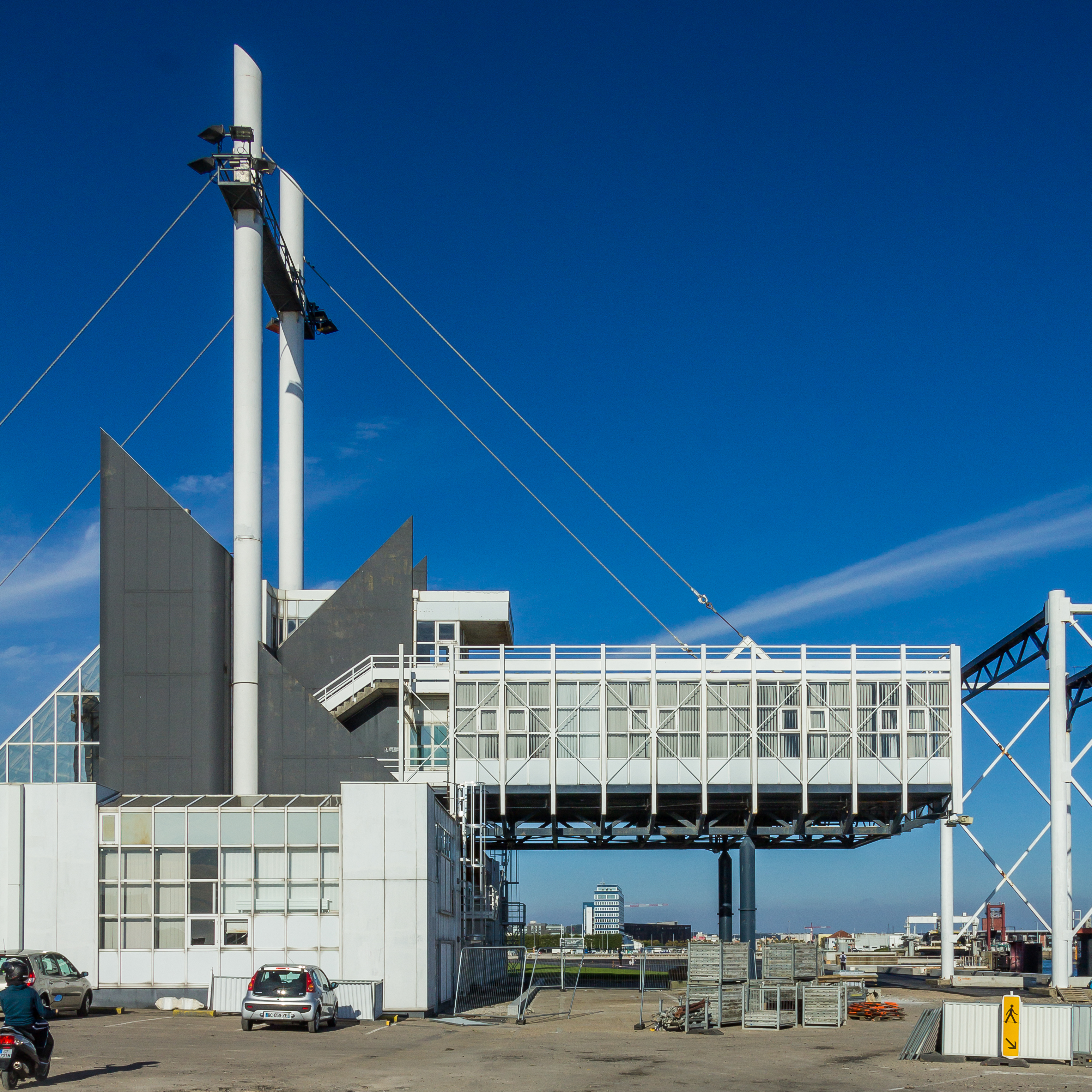

Not every number attached to the day can be treated as confirmed. A group of dockworkers and other activists called No Harbour for Genocide, which campaigns to stop military cargo from reaching Israeli ports, said on Friday that the protest would halt some 52,000 containers and snarl cargo worth $2.8 billion. Reuters said it was not able to independently verify that impact, and this article reports the figure as the campaigners' claim, not as an established result. The group also told Al Jazeera that the participating Mediterranean ports handle 63 per cent of all container activity in the sea — again, a campaign estimate, not an independently verified measurement.
What happens next
The strike was called as a one-day action, so its measure will be what follows it. In France, the CGT dockers' union plans to join a national strike on 5 November, and is also protesting against measures in the government's draft budget, Port Technology International reported. The wider questions the unions raised — whether civilian ports should handle military cargo, what safety cover crews get on war-zone routes, and how automation changes dock work — remain open, and will be tested the next time a disputed shipment is due to move through a European port. Europe Unfolded will report any employer or government response, and whether the unions call a second day of action.
Updates & corrections
Published 30 October 2026.
No updates or corrections have been made to this article since publication.
Sources
- Reuters, "Dockworkers strike in Europe and beyond against arms shipments, war deaths", 30 October 2026, on the strike across 113 ports in 22 countries, the demands for pay rises, better conditions and doctors aboard vessels crossing war zones, the Piraeus walkout of about 3,000 dockworkers and seafarers, the seafarer casualty figures from the Greek seafarers' union PENEN, the 15 Indian seafarers reported dead by the WTWFI union, the No Harbour for Genocide claim of 52,000 containers and $2.8 billion of cargo, which Reuters could not independently verify, and the May 2026 Istanbul Declaration: reuters.com
- Port Technology International, "Dockworker strikes disrupt ports over military cargo", 30 October 2026, on the USB count of 113 ports in 22 countries and regions and the ITF count of more than 100 ports in 17 countries, the 24-hour strikes in France, Italy, India, Greece and Turkey, the Le Havre, Dunkirk and Nantes Saint-Nazaire details via AFP, the Greek ferry suspensions, the Spanish two-hour stoppage from 13:00 to 15:00 and its opposition to the EU Ports Strategy, the Italian general strike and port demonstrations in Genoa, Livorno and Trieste, and the ITF position on military cargo, pay, conditions and automation: porttechnology.org
- Al Jazeera, "What can a global strike of dockworkers achieve for Gaza?", 30 October 2026, on the International Day of Action of Dockworkers and Port Workers, the organisers' count of 110 ports and 25 trade unions, the Istanbul Declaration of May 2026 and the declaration of 30 October as the day of action, the 24-hour strikes in France, Italy, India, Greece and Turkey, and the No Harbour for Genocide estimates on Mediterranean container activity: aljazeera.com