Key points
- Spot gold fell 0.4% to $4,000.52 per ounce by 1042 GMT on Tuesday; December futures fell 0.6% to $4,014.40.
- STOXX 600 fell 0.2% to 639.64; the bank index fell 1.3% as HSBC dropped 6.9% on below-estimate revenue.
- The Fed, the Bank of Japan and the ECB all meet this week; the ECB is set to leave rates unchanged on Thursday.
- Silver fell 1.3% to $53.23; platinum fell 1.7% to $1,501.30; palladium fell 2.9% to $1,019.50.
Gold at the line
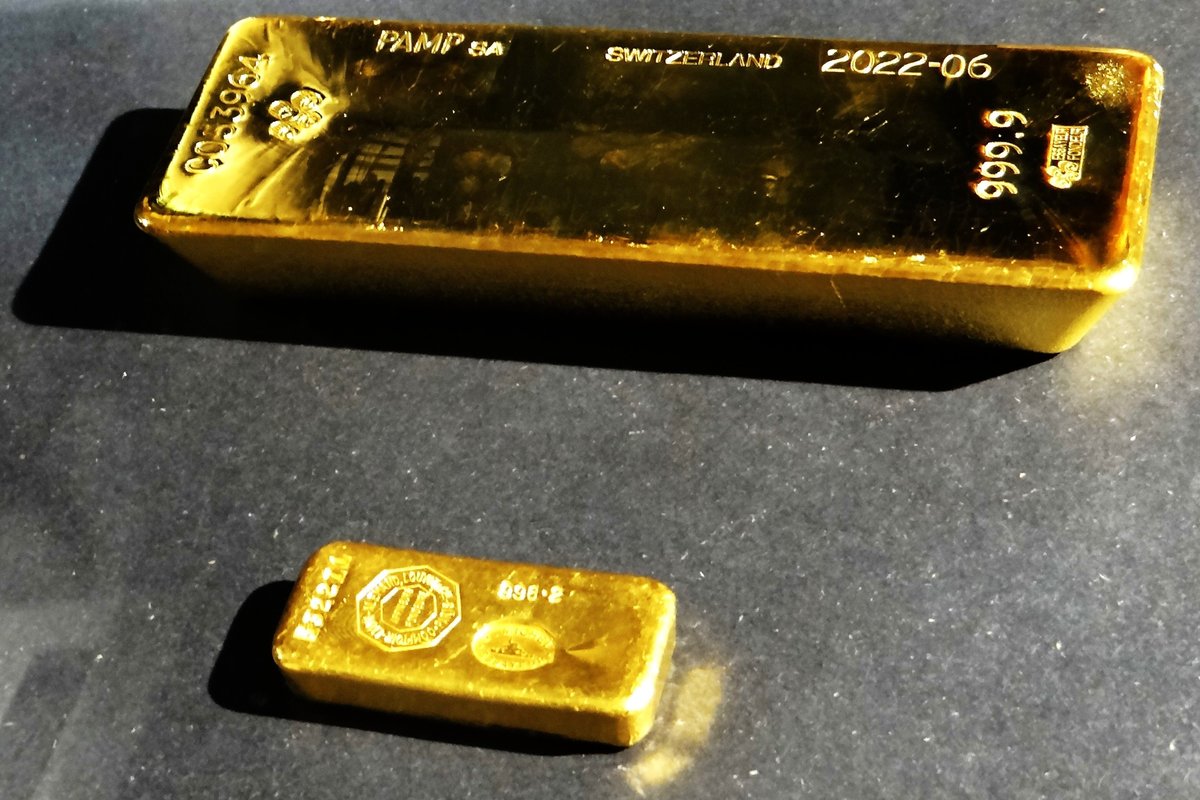
Spot gold fell 0.4% to $4,000.52 per ounce by 1042 GMT on Tuesday, Kitco reported, citing Reuters, while U.S. gold futures for December delivery fell 0.6% to $4,014.40. The dollar rose 0.3% to near a two-week high, and Brent crude traded around $116 on renewed Houthi attacks on Saudi Arabia.
Gold was under pressure from a stronger dollar and elevated Treasury yields, Carlo Alberto De Casa, market analyst at ActivTrades, told Reuters via Kitco. The mechanism is simple and worth stating plainly: when the dollar strengthens, gold becomes more expensive for buyers in other currencies, and when bond yields are elevated, holding gold — which pays no interest — looks less attractive next to bonds that do.
Traders are pricing an 82% probability of a December U.S. rate hike, according to CME FedWatch, Kitco reported. A hawkish message from the Fed this week, or stronger-than-expected U.S. inflation data, could push gold below $4,000 — potentially toward $3,900, De Casa said. The other precious metals fell further on the day: silver down 1.3% to $53.23, platinum down 1.7% to $1,501.30 and palladium down 2.9% to $1,019.50, Kitco reported.
One honesty note before going further: gold prices in this article are intraday snapshots. Other outlets quoted slightly different prices at other times of the day, because gold trades continuously. The direction and the level — hovering at $4,000 — are the story; the cents are the timestamp. Read more: Mass protests sweep France as 410,000 march over living costs and school conditions
Why Europe fell
| Item | Figure |
|---|---|
| Spot gold | $4,000.52 per ounce, down 0.4% (1042 GMT, Tuesday) |
| December futures | $4,014.40, down 0.6% |
| STOXX 600 | 639.64, down 0.2% |
| HSBC | Down 6.9% on below-estimate revenue |
| Silver / Platinum / Palladium | $53.23 (−1.3%) / $1,501.30 (−1.7%) / $1,019.50 (−2.9%) |
European shares fell on Tuesday, with the STOXX 600 index down 0.2% at 639.64 by 0805 GMT after rising 0.8% on Monday, The Business Times reported, citing Reuters. The bank index fell 1.3%, dragged by HSBC, which dropped 6.9% after reporting below-estimate revenue, with wealth growth slower than expected.
Not everything fell. Novartis rose 3.1% after raising its full-year core operating income guidance, The Business Times reported — a reminder that a down day for an index is not a down day for every company. But the mood was cautious, and France was part of the reason: French equities fell more than 2% last week, and French student leaders vowed to go on protesting despite government concessions, The Business Times reported. When street politics and earnings disappointments arrive in the same week, investors tend to wait rather than buy.
The week that decides rates
The Fed, the Bank of Japan and the ECB are all due to meet this week, The Business Times reported. The Fed meeting is widely expected to stand pat on rates, the Bank of Japan follows, and the ECB is set to leave rates unchanged on Thursday.
Thursday carries a second event that matters as much as the ECB: U.S. personal consumption expenditures data, the Fed's watched inflation gauge, with a 2% target. That is the number traders mean when they say a "stronger PCE" could push gold below $4,000. If inflation comes in hotter than expected, the case for a December hike strengthens, the dollar strengthens further, and gold's $4,000 line gets tested from above. If it comes in cooler, the pressure eases.
So the week has a clear shape: a quiet Tuesday of waiting, a Thursday of decisions and data, and a Friday of repricing. Gold sitting exactly on $4,000 in the middle of that week is not a coincidence — it is the market holding its breath.
What it means for ordinary savers
This article is information, not investment advice — and that distinction matters most on days like this, when a round number invites impulsive decisions. A single day's move in gold, or a single bank's earnings miss, is not a reason to buy or sell. What matters for savers is the pattern: whether Thursday's data and decisions change the rate outlook, whether France's protests escalate or ease, and whether gold holds $4,000 or breaks toward $3,900.
Watch Thursday. Watch the ECB's language as much as its decision, and watch the PCE number against the 2% target. The market has already told you what it expects — an 82% chance of a December hike. The question the rest of the week answers is whether that expectation survives contact with the data.
Updates & corrections
Published 27 October 2026.
No updates or corrections have been made to this article since publication.
Sources and notes
- Kitco / Reuters (27 October 2026), on spot gold, December futures, the dollar, Treasury yields, the 82% December hike probability, the $3,900 downside view, silver, platinum and palladium: kitco.com
- The Business Times / Reuters (27 October 2026), on the STOXX 600, the bank index, HSBC, Novartis, French equities and protests, and the Fed, Bank of Japan and ECB meetings plus Thursday's PCE data: businesstimes.com.sg