Key points
- The Financial Action Task Force (FATF) removed Bulgaria, Côte d'Ivoire, the Democratic Republic of the Congo and Monaco from its grey list on Friday 30 October 2026, Reuters reported.
- The watchdog cited the four countries' "positive progress in addressing strategic anti-money laundering and countering the financing of terrorism and proliferation financing (AML/CFT/CPF) deficiencies identified during their mutual evaluations".
- Monaco had been on the list since June 2024; Bulgaria since October 2023. Both governments had made removal a public priority.
- Vietnam stays on the grey list, with the FATF expressing significant concern about its pace of progress and warning it will consider next steps if Vietnam does not improve by the next plenary meeting.
- Iran and Myanmar remain on the FATF's black list of jurisdictions subject to a call for action, with the warning against Myanmar reinforced.
The global Financial Action Task Force watchdog removed Bulgaria, Ivory Coast, Congo and Monaco from its "grey list" of countries that need increased monitoring in terms of their efforts to tackle money laundering and financial crime, Reuters reported on Friday. The decision was taken at the watchdog's October plenary session in Paris, and ends a period of heightened international scrutiny for all four countries — two of them in Europe. Read more: ECB holds rates at 2.5% as Lagarde announces she will step down in February
Being on the grey list means a jurisdiction is under increased monitoring: the country has committed to resolve swiftly the strategic deficiencies in its defences against money laundering, terrorist financing and the financing of weapons proliferation, within agreed timeframes, according to the FATF's own description of the list. Removal is therefore a judgement that the promised reforms have actually been delivered — and it matters beyond symbolism, because banks, investors and regulators watch the list when they judge how risky it is to do business with a country.
The key figures
| Measure | Figure | Source |
|---|---|---|
| Jurisdictions removed from the grey list | 4 (Bulgaria, Côte d'Ivoire, DR Congo, Monaco) | FATF, via Reuters |
| Jurisdictions left on the grey list in this decision | Vietnam (with a warning on its pace of progress) | FATF, via Reuters |
| Jurisdictions remaining on the black list | Iran and Myanmar | FATF, via Reuters |
| Monaco's time on the grey list | June 2024 to October 2026 (over two years) | news.mc |
| Bulgaria's time on the grey list | October 2023 to October 2026 | news.mc / Novinite |
The four exits
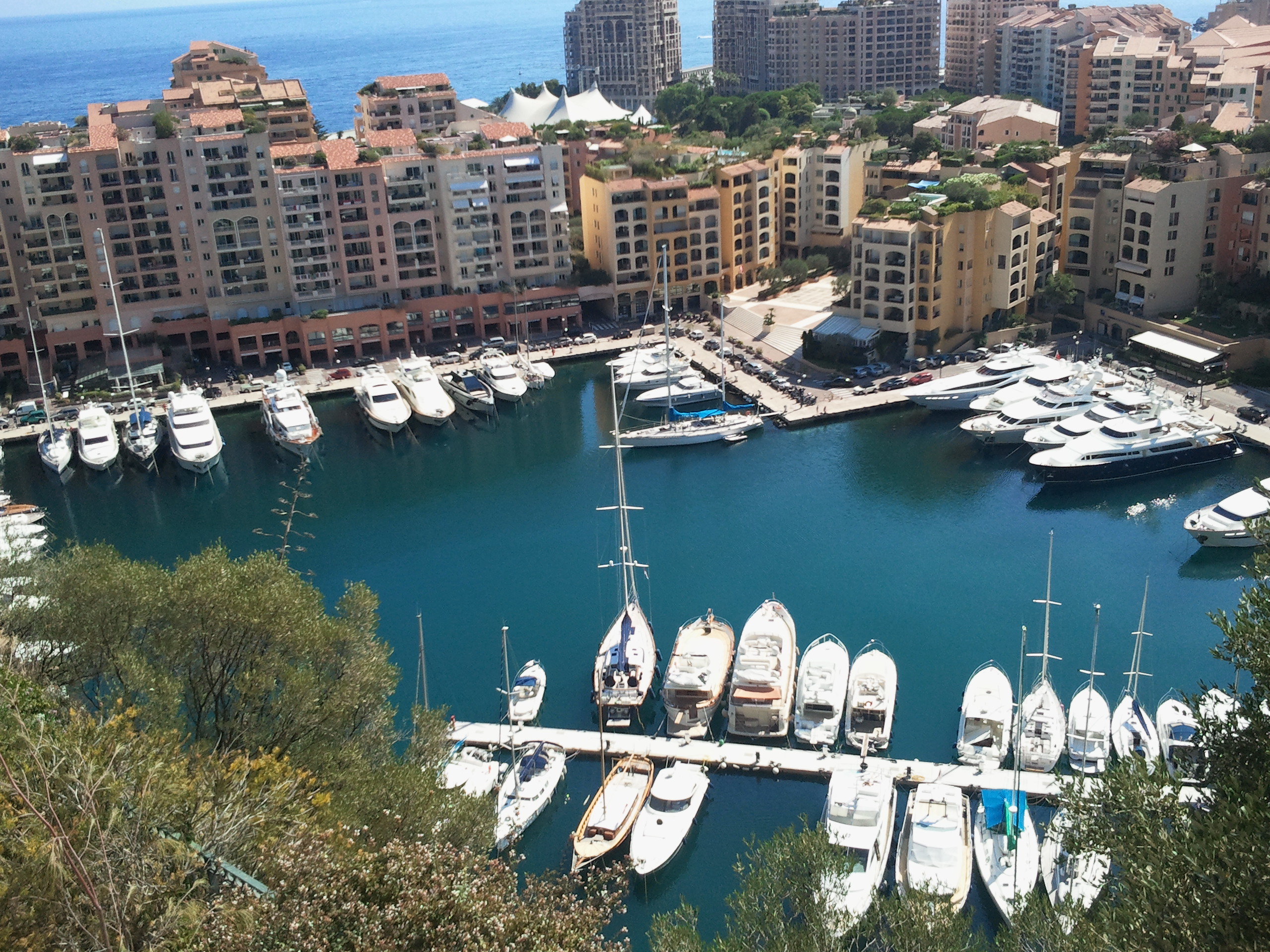
For Monaco, the decision closes a chapter that began in June 2024, when the principality was placed under increased monitoring over shortcomings in its fight against illicit financial flows. Since then it has overhauled its framework, and the FATF had already found in June 2026 that Monaco had substantially completed its action plan, news.mc reported. The watchdog welcomed what it called Monaco's significant progress, pointing to stronger international cooperation in tracing criminal assets, tougher sanctions for financial compliance breaches, more resources for financial intelligence and judicial authorities, and greater efforts to seize assets suspected of coming from crime.
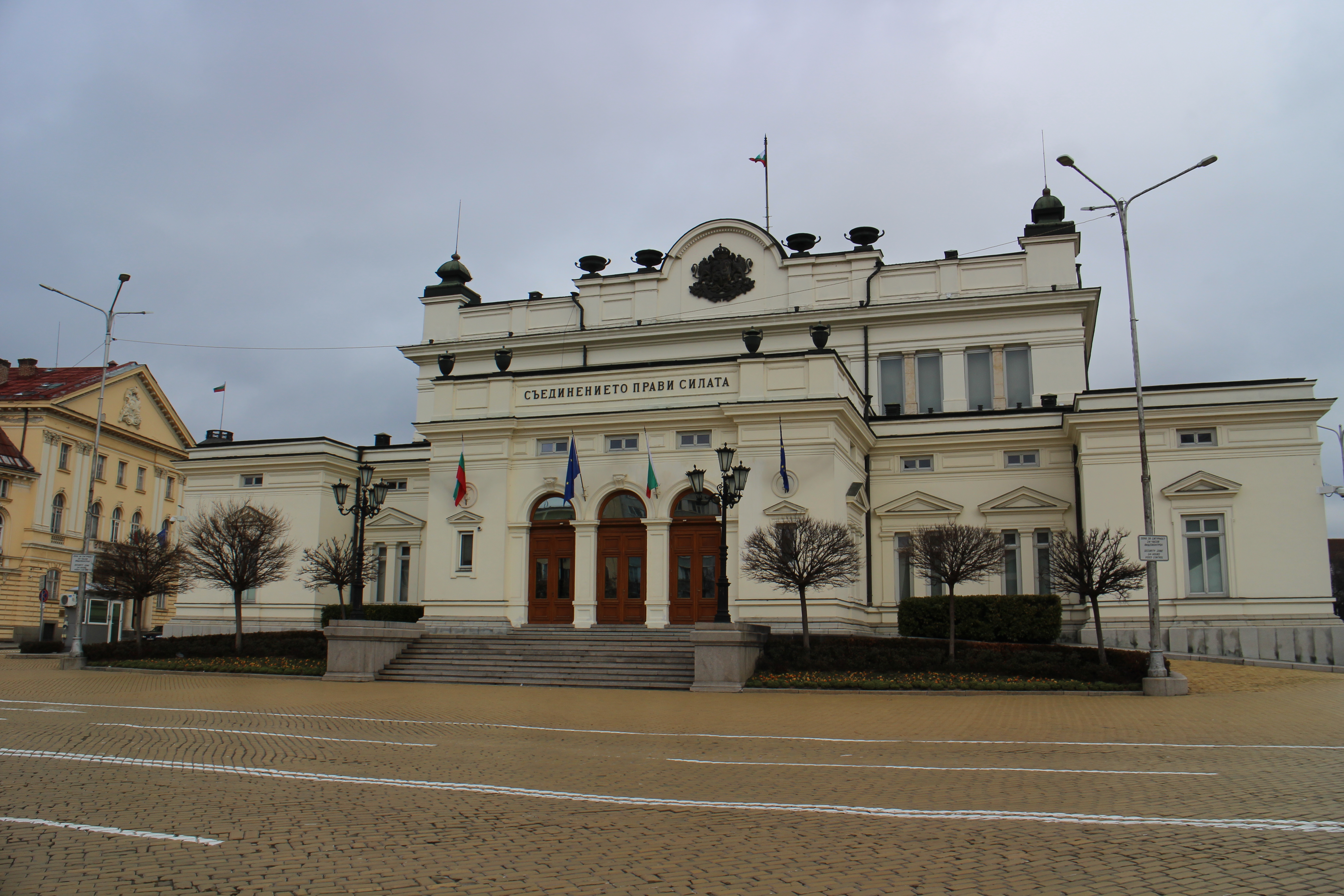

Bulgaria's exit was announced by Prime Minister Rumen Radev, who said the decision had been adopted at the plenary session in Paris, Novinite reported. Bulgaria had been placed on the list in October 2023 after strategic shortcomings were identified in its efforts against money laundering and corruption, and removal had been a stated priority of the government — which argued that the listing created significant difficulties for financial transactions abroad. The decision also closes a chapter that ran alongside Bulgaria's negotiations over eurozone accession, during which its financial oversight was under particular scrutiny.
For Côte d'Ivoire and the Democratic Republic of the Congo, the FATF applied the same judgement: positive progress on the deficiencies identified in their mutual evaluations, sufficient to end increased monitoring. The watchdog's statement did not single either country out for separate comment in the reporting of the decision, and this article does not attribute country-specific reforms to them beyond the FATF's shared assessment.
What did not change
Vietnam is the exception that proves the list still bites. The FATF left Vietnam under increased monitoring and expressed significant concern with its pace of progress, Reuters reported. Its warning was explicit: "The FATF will consider next steps if Vietnam does not make tangible improvements to rectify its strategic deficiencies by the next Plenary meeting." What those next steps would be is not yet specified, but the language is the watchdog's way of putting a country on notice before a plenary, rather than after one.


The black list — formally, jurisdictions subject to a call for action over serious strategic deficiencies — is unchanged: Iran and Myanmar remain on it, with the FATF reinforcing its warning against Myanmar, Reuters reported. Reuters also reported earlier on Friday that Japan is pushing the watchdog to remove Myanmar from the blacklist to make it easier to do business there; no such change was announced at this plenary, and this article reports Japan's push as reported, not as a decision.
What happens next
Two follow-ups will show whether Friday's decision sticks. First, the European Commission must decide whether Monaco follows its FATF exit off the European Union's own list of high-risk third countries, on which it has appeared since August 2025; that removal is not automatic and follows a separate timetable, news.mc reported. The FATF has also emphasised that Monaco must continue working with MONEYVAL, the Council of Europe's anti-money laundering monitoring body, to maintain the improvements it has made — a reminder that leaving the grey list is a judgement on reforms delivered, not a permanent clearance.
Second, Vietnam's clock is now running to the next plenary. If it makes what the FATF calls tangible improvements, it can follow the four countries off the list; if it does not, the watchdog has already said it will consider next steps. Europe Unfolded will report the European Commission's decision on Monaco and the next plenary's verdict on Vietnam when they come.
Updates & corrections
Published 30 October 2026.
No updates or corrections have been made to this article since publication.
Sources
- Reuters, "FATF removes Bulgaria, Congo, Ivory Coast and Monaco but leaves Vietnam on 'grey list'", 30 October 2026, on the removal of the four jurisdictions, the FATF's citation of "positive progress" on AML/CFT/CPF deficiencies, the meaning of increased monitoring, Vietnam remaining on the list with significant concern over its pace of progress and the warning of next steps by the next plenary, Iran and Myanmar remaining on the black list with the warning against Myanmar reinforced, Japan's push to remove Myanmar from the blacklist as reported earlier in the day, and the black list's definition: reuters.com
- news.mc, "Monaco finally exits FATF Grey List in major victory for Principality", 30 October 2026, on Monaco's removal ending more than two years of increased monitoring since June 2024, the reforms undertaken, the June 2026 preliminary assessment that Monaco had substantially completed its action plan, the FATF's welcome of significant progress including stronger international cooperation, tougher sanctions, increased resources and asset seizures, Monaco remaining on the European Union's separate high-risk list pending a European Commission decision, and the need to continue working with MONEYVAL: news.mc
- Novinite, "Radev Announces Bulgaria's Exit from FATF Money Laundering Grey List", 30 October 2026, on Prime Minister Rumen Radev's announcement of the decision adopted at the plenary session in Paris, Bulgaria's placement on the grey list in October 2023 following identified strategic shortcomings, and removal as a government priority: byteseu.com (Novinite article)