
Key points
- Germany's consumer price inflation fell to 2.8% in October 2026 compared with a year earlier, according to the Federal Statistical Office's provisional estimate published on Friday 30 October 2026, down from 3.3% in September; prices fell 0.2% on the month.
- The harmonised index used for euro-area comparisons also came in at 2.8% year on year, below the 3.1% that analysts polled by Reuters had forecast, against 3.3% in September.
- Core inflation, which excludes food and energy, fell to 2.1% in October from 2.4% in September, Destatis said; energy prices were still up 12.2% on the year, but that was slower than September's 14.9%.
- October was the first month of the government's fuel tax cut, which Reuters reported had led to a modest decline in fuel prices; the cut is due to remain in place until year-end, and Destatis will publish final October figures on 11 November 2026.
Germany's price rises cooled more than expected in October. The Federal Statistical Office's provisional estimate, published on Friday, put annual consumer price inflation at 2.8%, down from 3.3% in September — and the harmonised measure used for euro-area comparisons also came in at 2.8%, below the 3.1% that analysts polled by Reuters had expected. October was the first month of the government's fuel tax cut, and Reuters reported that lower prices at the pump helped slow consumer price growth. Read more: Germany's economy grows 0.2% in third quarter, extending its recovery as exports lose momentum
The national figure had been signposted earlier on Friday by data from Germany's states, Reuters reported: inflation fell to 2.8% in Bavaria from 3.2% in September, dipped to 2.7% in North Rhine-Westphalia from 3.3%, and fell to 2.9% in Lower Saxony from 3.3%, while Baden-Württemberg dropped 0.3 percentage points to 2.6% and Saxony held at 2.8%.
The key figures
| Measure | Figure | Source |
|---|---|---|
| Consumer price index, October 2026, year on year | +2.8% | Destatis provisional estimate |
| Consumer price index, October 2026, month on month | −0.2% | Destatis provisional estimate |
| Harmonised index, October 2026, year on year | +2.8% | Destatis provisional estimate |
| Harmonised index, October 2026, month on month | −0.1% | Destatis provisional estimate |
| Forecast, harmonised index, year on year | +3.1% | Analysts polled by Reuters |
| Consumer price index, September 2026, year on year | +3.3% | Destatis |
| Core inflation, October 2026 (excluding food and energy) | +2.1% | Destatis provisional estimate |
| Core inflation, September 2026 | +2.4% | Destatis |
| Energy prices, October 2026, year on year | +12.2% | Destatis provisional estimate |
| Energy prices, September 2026, year on year | +14.9% | Destatis |
| Goods prices, October 2026, year on year | +3.0% | Destatis provisional estimate |
| Services prices, October 2026, year on year | +2.5% | Destatis provisional estimate |
| Food prices, October 2026, year on year | +0.4% | Destatis provisional estimate |
| Final October results due | 11 November 2026 | Destatis |
Why it matters
The slowdown was broad rather than driven by a single item. Core inflation fell to 2.1% from 2.4% in September, Destatis said, goods prices rose 3.0% over the year against 3.8% in September, and services prices rose 2.5% against 2.7% — while food prices, up just 0.4% on the year, were unchanged from September. For households, that combination — cheaper fuel, barely rising food prices and cooling services — is the most tangible easing in the cost of living since the summer, even though the headline rate remains above the European Central Bank's 2% target.
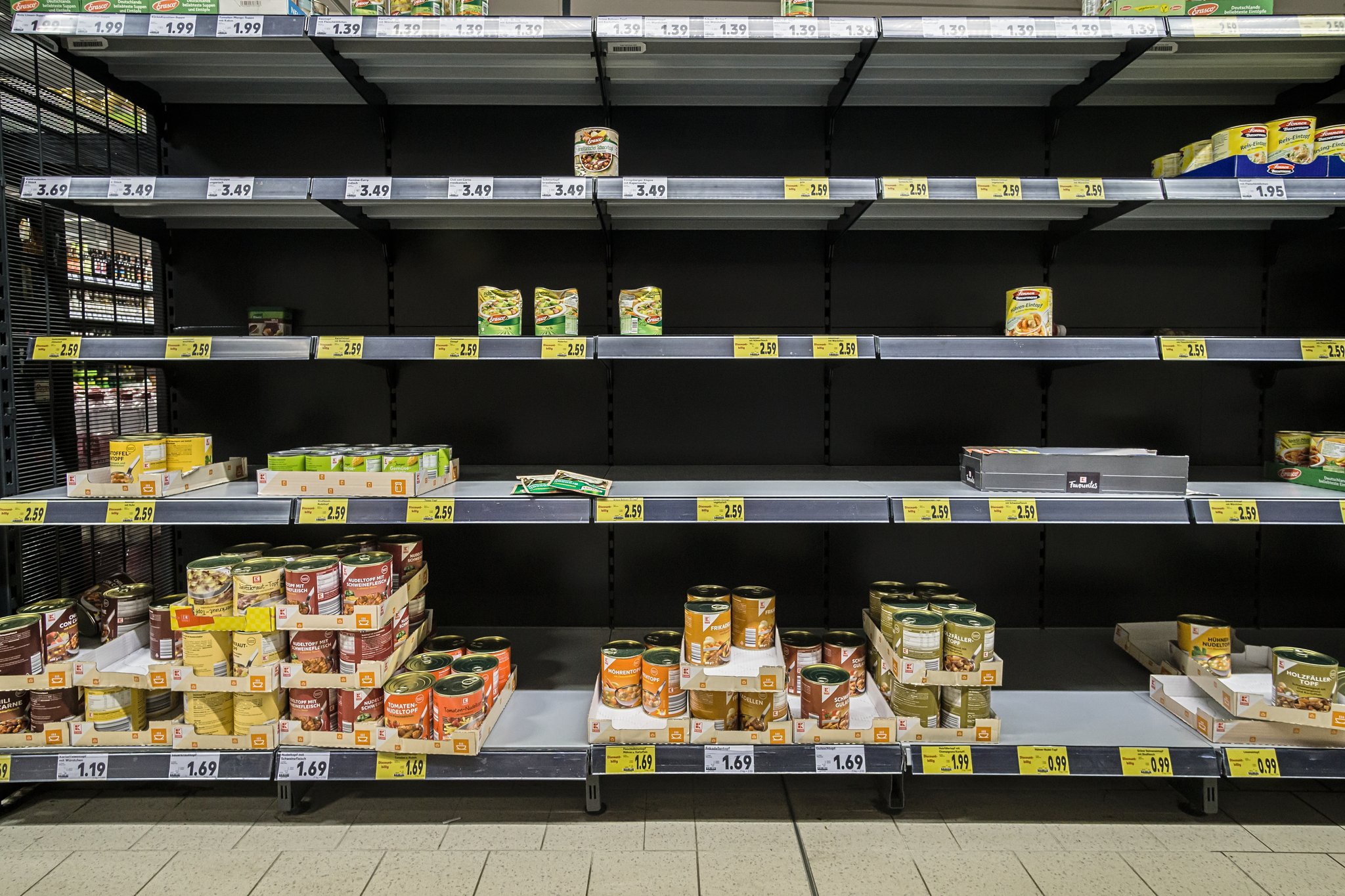

Energy remains the exception to the cooling trend. At 12.2% over the year, energy prices are still rising far faster than anything else in the basket, even though the pace eased from 14.9% in September. Reuters has reported that the war in Iran pushed energy prices higher in recent months, and that pressure is the reason the European Central Bank, which left interest rates unchanged on Thursday, warned that high and rising energy costs were fuelling inflation risks even as it hinted at another rate rise in December.
Friday's German figure will be tested against the euro-area number due on Wednesday: economists polled by Reuters expect inflation in the bloc at 3.9% in October, slightly above September's 3.8%. If the bloc-wide figure stays high while Germany cools, the ECB's December decision will rest on a split picture — easing in Europe's largest economy, stubborn pressure elsewhere.
What happens next
Friday's figures are provisional and will be revised as more complete data arrive, so the 2.8% should be read as a first estimate, not a final verdict — though the breadth of the slowdown across goods, services and core inflation gives the direction of travel some weight. The fuller picture arrives in two steps: the euro-area inflation release on Wednesday, then Destatis' final German results on 11 November. With the fuel tax cut due to remain in place until year-end, according to Reuters, the pump-price help visible in October's figures is tied to a temporary measure — what happens to fuel prices in January will be the next test of whether the slowdown holds.


Updates & corrections
Published 30 October 2026.
No updates or corrections have been made to this article since publication.
Sources
- Federal Statistical Office (Destatis), press release No. 382, "Inflation rate of +2.8% expected in October 2026", 30 October 2026, on the 2.8% annual CPI and harmonised figures, the −0.2% and −0.1% monthly figures, core inflation of 2.1%, energy at 12.2%, goods at 3.0%, services at 2.5% and food at 0.4%, the September comparisons, and the 11 November date for final results: destatis.de
- Reuters, "German inflation slows more than expected in October", 30 October 2026, on the Reuters poll forecasting a 3.1% harmonised rate against 3.3% in September, the fuel tax cut introduced at the start of October and due to remain in place until year-end, the modest decline in fuel prices, the euro-area inflation release due on Wednesday with 3.9% expected against 3.8% in September, and the ECB holding rates on Thursday while hinting at a December rise: reuters.com
- Reuters, "Inflation dips in key German states in October, pointing to national fall", 30 October 2026, on the state figures — Bavaria 2.8% from 3.2%, North Rhine-Westphalia 2.7% from 3.3%, Lower Saxony 2.9% from 3.3%, Baden-Württemberg down 0.3 points to 2.6% and Saxony unchanged at 2.8% — and on the war in Iran pushing up energy prices in recent months: reuters.com