
Key points
- The European Central Bank held its deposit rate at 2.50%, its main refinancing rate at 2.65% and its marginal lending rate at 2.90% on Thursday 29 October 2026, the bank announced.
- Hours earlier, the bank said President Christine Lagarde will step down on 7 February 2027, nearly nine months before her eight-year term was due to end on 31 October 2027; the European Council said the process to choose her successor would start immediately.
- Eurozone inflation reached 3.8% in September, its highest in three years, the bank's statement noted, as rising energy prices push inflation risks up and growth risks down — while underlying inflation has stayed broadly stable so far.
- Reuters names former Dutch central bank governor Klaas Knot and former Bank of Spain governor Pablo Hernández de Cos as the frontrunners to succeed Lagarde; the euro fell to its lowest since May after the decision.
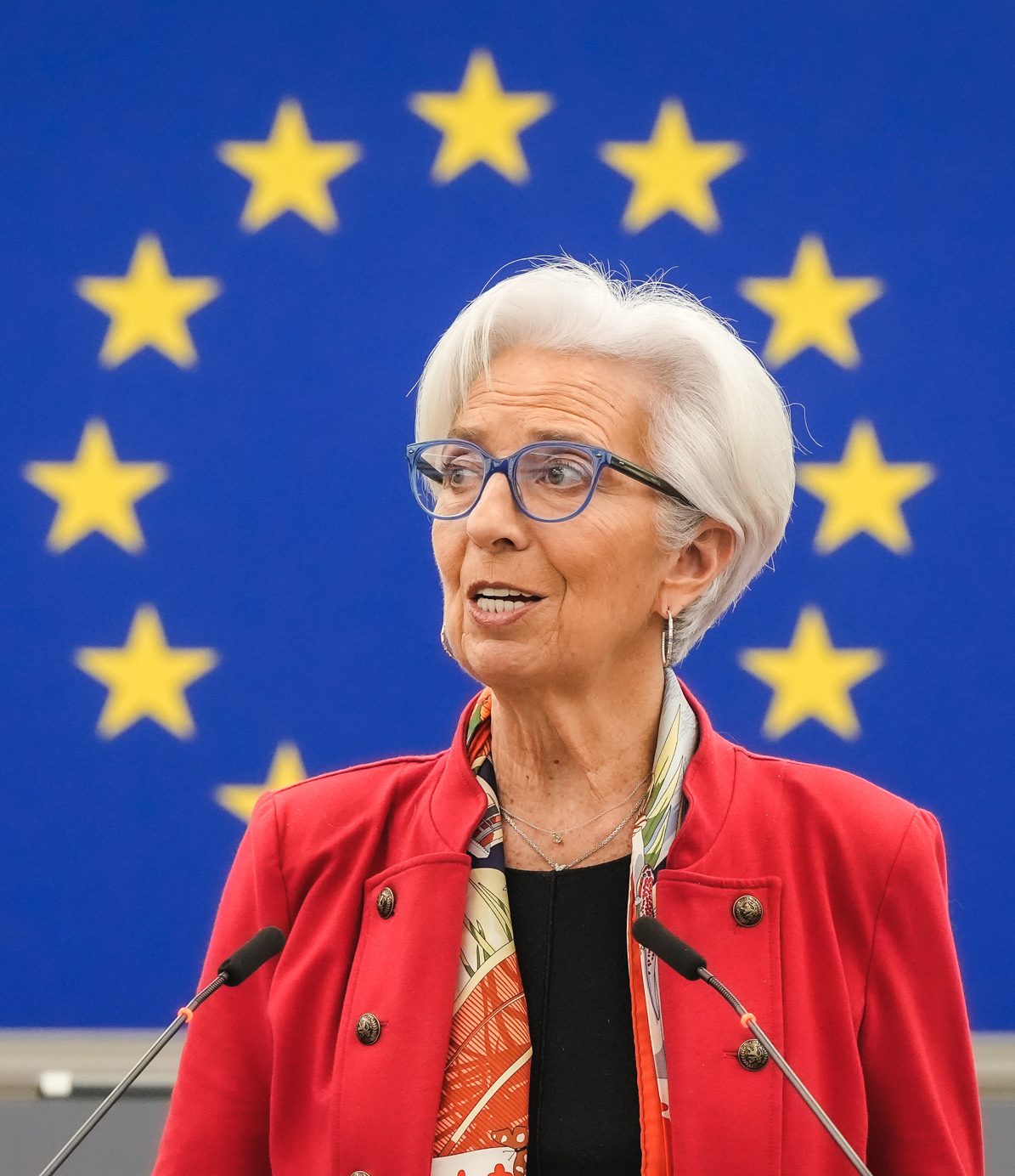
The European Central Bank has held interest rates steady on a day of unusual drama in Frankfurt, pairing an expected decision on borrowing costs with the unexpected news that its president will leave early. The hold, announced at 13:15 GMT on Thursday, came only hours after the bank confirmed that Christine Lagarde, who has led the institution since November 2019, will step down on 7 February 2027. Read more: New Zealand's central bank shocks markets by holding rates at 2.75% in a 4–3 vote
The key figures
| Measure | Figure | Source |
|---|---|---|
| Deposit facility rate | 2.50%, unchanged | ECB |
| Main refinancing rate | 2.65%, unchanged | ECB |
| Marginal lending facility | 2.90%, unchanged | ECB |
| Eurozone inflation, September | 3.8%, highest in three years | ECB / Daily Sabah |
| Eurozone inflation, August | 3.2% | Nacionale |
| ECB rate rises in 2026 | June and September, 25 basis points each | ECB / Nacionale |
| Lagarde's departure | 7 February 2027 | ECB |
| Lagarde's term was due to end | 31 October 2027 | ECB |
| Euro after the decision | Lowest since May, around $1.11 | Reuters |
| France–Germany 10-year spread | 155 basis points | Reuters |
| Next decision in focus | December meeting | Reuters / Morningstar |
Why the hold, and why the exit matters
The bank's reasoning, set out in its statement, is a balancing act. Energy prices have continued to rise, the bank said, posing upside risks to inflation and downside risks to growth — but the full effects of the energy shock are still unfolding, underlying inflation has remained broadly stable so far, and wages do not show a material response at this stage. Financing conditions have also tightened since the Governing Council's last meeting in September, which the bank said is likely to weigh on both inflation and growth. At her press conference, Lagarde said the council had debated whether a rise was appropriate but decided unanimously to hold, given the uncertainty and stable underlying inflation, and added that the direction of travel on rates was quite clear, according to market reports of the press conference.
The timing of the exit matters as much as the decision itself. Lagarde's term was scheduled to run until the end of October 2027, but by leaving in February she hands the choice of her successor to the current crop of European leaders, months before France holds a presidential election in the spring — an election in which polls show far-right candidate Marine Le Pen as the favourite, Reuters reported. Had she stayed until October, the winner of that election would have had a say in naming the next president of the eurozone's central bank. Reuters also reported months of speculation that Lagarde could move to the World Economic Forum, a destination the bank has not confirmed.

The succession race
Two names lead the field, according to Reuters: Klaas Knot, who led the Dutch central bank from 2011 to 2025 and sat on the ECB's Governing Council throughout, and Pablo Hernández de Cos, who governed the Bank of Spain from 2018 to 2024 and now runs the Bank for International Settlements. Bundesbank president Joachim Nagel has also put himself forward, according to German press reports, and European Investment Bank president Nadia Calviño is named as another possible candidate. Under the EU treaty, the president is appointed by the European Council, acting by qualified majority on a recommendation from the Council of the EU, after consulting the European Parliament and the ECB's Governing Council — and the eight-year term cannot be renewed.
The presidency is not the only vacancy in play. Executive board member Isabel Schnabel leaves in early January to join the International Monetary Fund, and chief economist Philip Lane's term ends on 31 May, so European leaders may negotiate the three posts as a package, with agreement possible by the EU summit on 17–18 December, according to press reports. That timetable is one reason the February departure date matters: it gives leaders a full window to settle the succession before the French vote, rather than leaving it to a new political landscape.


What happens next
Markets moved quickly on Thursday. The euro fell to its lowest since last May, trading around $1.11, while Europe's broad STOXX 600 index held higher on the day, Reuters reported. France's borrowing costs remain the pressure point behind the decision: the country now pays a 155-basis-point premium over Germany to borrow for ten years, a decades-high gap that itself tightens financial conditions in the eurozone's second-largest economy. The bank, for its part, says it is not pre-committing to a particular rate path and will decide meeting by meeting on the incoming data — which makes the December meeting, where markets see a further rise as likely, the next real test of whether the hold was a pause or the end of this year's tightening. Europe Unfolded will report that decision when it is announced.
Updates & corrections
Published 29 October 2026.
No updates or corrections have been made to this article since publication.
Sources
- European Central Bank, monetary policy statement, 29 October 2026, on holding the three key rates unchanged, energy prices posing upside risks to inflation and downside risks to growth, underlying inflation broadly stable, wages showing no material response, financing conditions tightening since September, and no pre-commitment to a particular rate path: ecb.europa.eu
- Reuters, "ECB keeps rates unchanged, euro slips", 29 October 2026, on the widely expected hold, the euro falling to its lowest since May at around $1.11, the STOXX 600 up 0.95%, and Lagarde's resignation as the bigger story than the decision: reuters.com
- Reuters via GMA News, "ECB President Lagarde resigns after months of speculation", 29 October 2026, on the 7 February 2027 departure date, the notice to the Governing Council and European Council President António Costa, the term running to October 2027, the World Economic Forum speculation, and Knot and Hernández de Cos as frontrunners: gmanetwork.com
- Daily Sabah, "ECB holds key rate steady at 2.5% amid Lagarde's early exit", 29 October 2026, on the 2.5% hold, the step-down nearly nine months before the term's end, eurozone inflation at 3.8% in September, and the case for what would have been a third rise this year: dailysabah.com
- Trend, "ECB keeps key interest rates unchanged amid rising energy prices", 29 October 2026, on the deposit rate at 2.5%, the main refinancing rate at 2.65% and the marginal lending rate at 2.9%, and the bank's commitment to the 2% medium-term inflation target: trend.az
- Nacionale, "ECB keeps deposit rate at 2.5%; Lagarde to go in February", 29 October 2026, on the unanimous hold after a debate over a rise, Lagarde's press-conference remarks, the June and September rises, inflation rising to 3.8% from 3.2% in August, and the wider succession field including Nagel and Calviño: nacionale.com