Key points
- US Southern Command says Joint Task Force Western Hemisphere carried out a lethal strike on 27 October 2026 on a go-fast vessel on established narco-trafficking routes in the Eastern Pacific, killing five people it described as "narco-terrorists".
- SOUTHCOM says confirmed intelligence showed the vessel's active involvement in narco-trafficking; the reports of the announcement do not name those killed or say what, if anything, was recovered from the vessel.
- A Washington Office on Latin America tracker cited by Al Jazeera put the campaign's toll before this strike at at least 238 people in 68 reported strikes since September 2025 — taking the reported total to 243.
- Critics, including legal scholars and rights groups cited by Al Jazeera, condemn the strikes as extrajudicial killings; the administration calls the targets terrorists, a framing legal experts reject for drug trafficking.
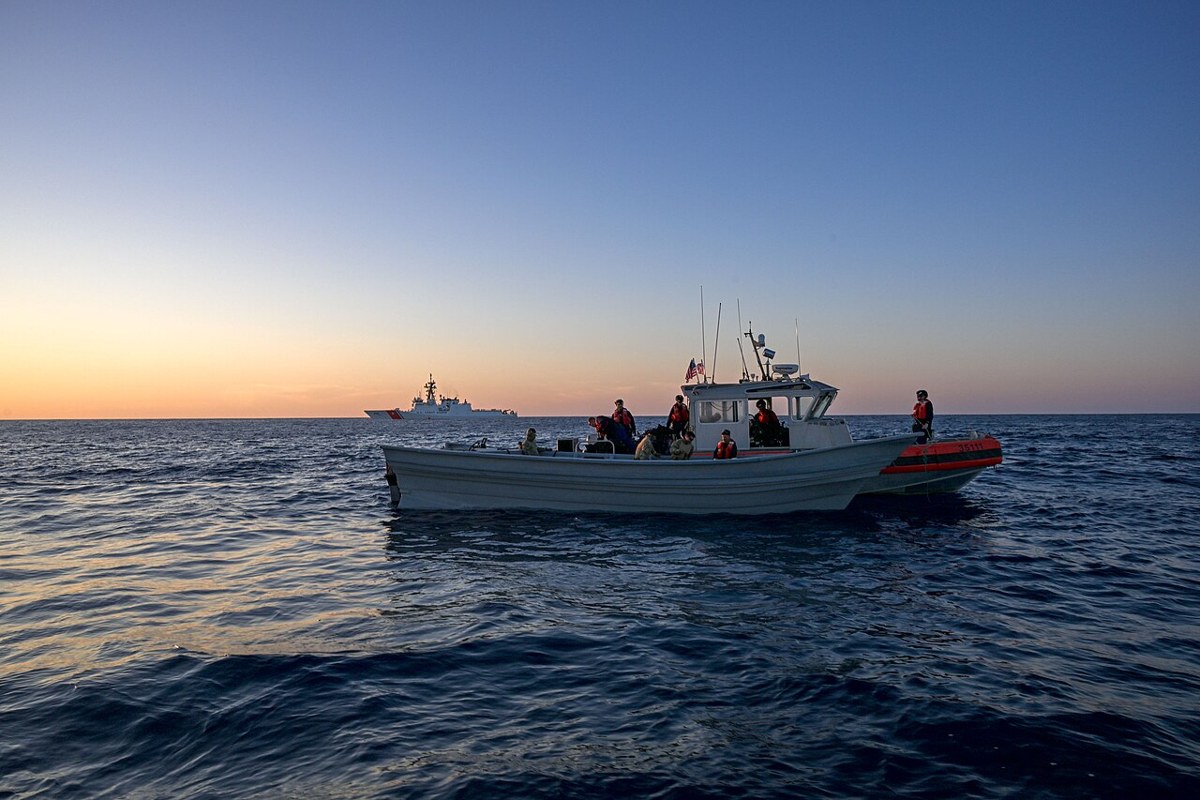
The United States military has said it killed five people in a strike on an alleged drug trafficking boat in the eastern Pacific, the latest lethal operation in a campaign that has drawn sustained legal criticism since it began in September 2025. US Southern Command (SOUTHCOM), which oversees military operations in Latin America and the Caribbean, announced the strike on Tuesday 27 October 2026. Read more: Dozens of Somali soldiers killed in al-Shabaab battle as accounts of the fighting diverge
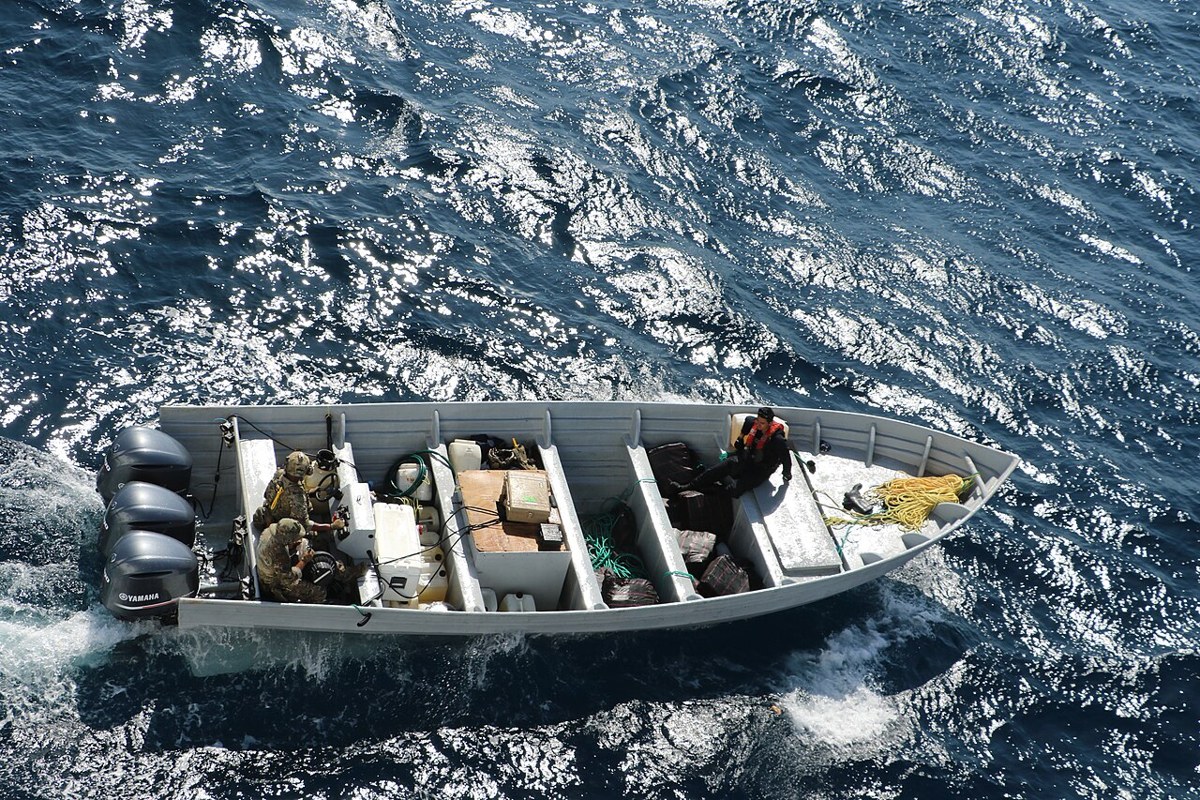
In a social media post quoted by Al Jazeera and The Economic Times, SOUTHCOM said: "On October 27, under the direction of SOUTHCOM, Joint Task Force Western Hemisphere executed a lethal, kinetic strike on a go-fast vessel operating along established narco-trafficking routes in the Eastern Pacific. Confirmed intelligence revealed the vessel's active involvement in narco-trafficking. The operation killed five narco-terrorists." The command's account is the only official account published so far; no independent verification of the vessel, its cargo or the identities of those killed has been reported.
The key figures
| Measure | Figure | Source |
|---|---|---|
| Killed in the 27 October strike | 5 | SOUTHCOM, via Al Jazeera / The Economic Times |
| Reported strikes since September 2025, before this strike | 68 | WOLA tracker, via Al Jazeera |
| Reported killed before this strike | At least 238 | WOLA tracker, via Al Jazeera |
| Reported total after this strike | 243 | Al Jazeera calculation from WOLA tracker |
| Lethal boat strikes in the past four months, including this one | 6 | Adam Isacson, WOLA, via Al Jazeera |
| Campaign began | September 2025 | WOLA tracker, via Al Jazeera |
The campaign so far
The numbers behind this strike come from a tracker kept by the Washington Office on Latin America (WOLA), a US-based research group that promotes human rights and democracy. According to Al Jazeera's report of that tracker, the Trump administration had previously killed at least 238 people in 68 reported strikes in the Caribbean and the eastern Pacific since the campaign began in September 2025. Tuesday's strike, Al Jazeera notes, appears to bring the reported total to 243 people. SOUTHCOM has often accompanied its announcements with videos that purportedly show vessels being struck, Al Jazeera reports, but the government has rarely shared details to substantiate its claims that those targeted are involved in drug trafficking.
Adam Isacson, an analyst at WOLA who tracks the strikes, responded to SOUTHCOM's announcement on Tuesday by noting that this was the sixth lethal boat strike in the past four months. "The pace is slower than before, but the administration and its commanders persist in grinding out illegal killings every few weeks, with no discernible impact on the drug trade," he wrote in a social media post. "A bleak pre-midterms message." Relatives of some of those killed in earlier strikes have said they were fishermen or workers who were not involved in the drug trade, Al Jazeera reports — a claim that, like the military's, has not been independently adjudicated in the reporting available.

Why the legality is disputed
The dispute is not mainly about whether drug trafficking is a crime — it is about what kind of response the law permits. The Trump administration has designated numerous criminal groups in Latin America as foreign "terrorist" organisations, a designation that frames the boat strikes as counter-terrorism. Legal experts reject that framing, Al Jazeera reports, saying drug trafficking is a criminal activity against which military strikes are not permitted. Legal scholars and rights groups have gone further, condemning the campaign as extrajudicial killings. The administration, for its part, has not published the intelligence or the legal reasoning for individual strikes, leaving the public record to rest on SOUTHCOM's brief announcements and on trackers compiled from them.

What happens next
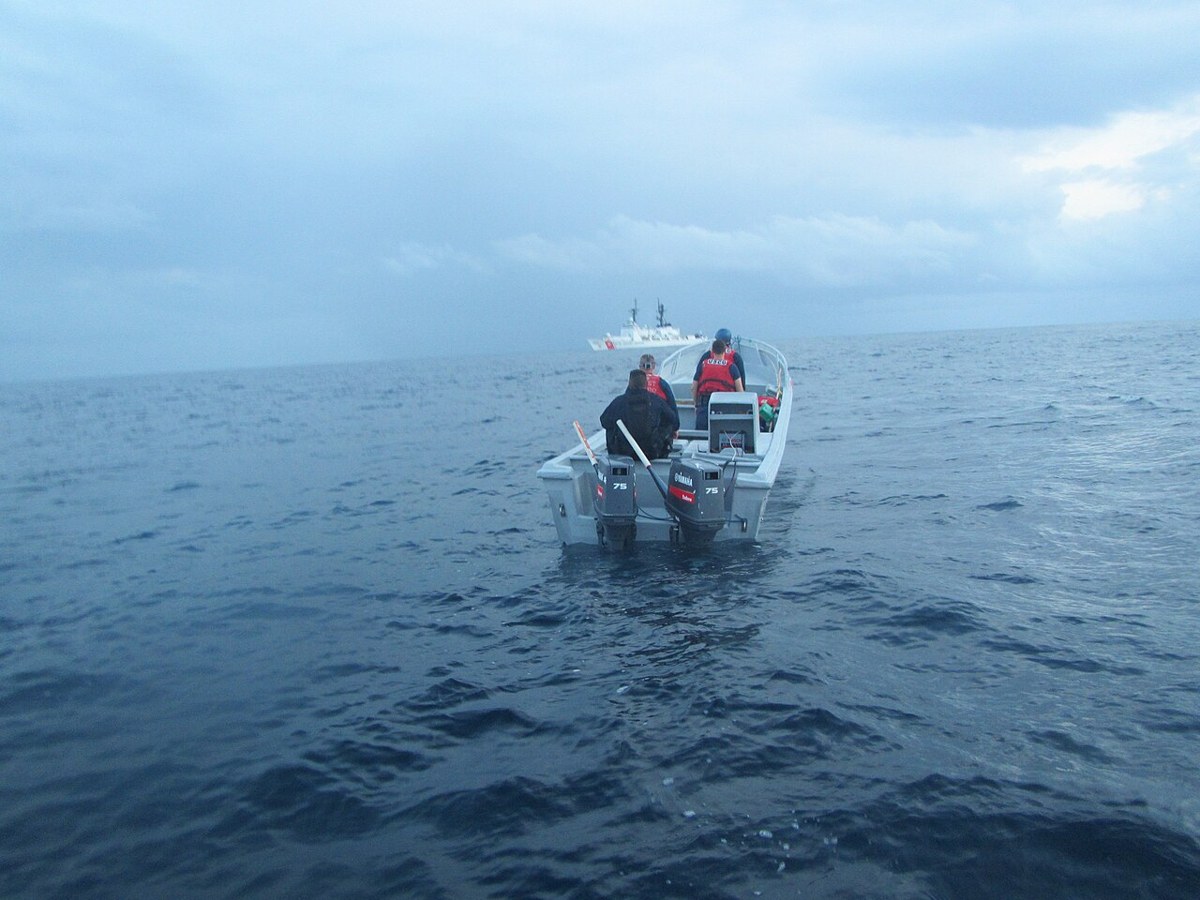
What is confirmed so far is narrow: five people are dead, the military says they were drug traffickers, and trackers say the campaign's reported toll keeps rising. What is not confirmed — who they were, what the vessel carried, and whether any evidence will be published — is where the next confirmed development will come from. Europe Unfolded will report any further SOUTHCOM statement, any identification of those killed, and any legal challenge to the strike when it is confirmed, not the claims made before it.
Updates & corrections
Published 28 October 2026.
No updates or corrections have been made to this article since publication.
Sources
- Al Jazeera, 27 October 2026, on the SOUTHCOM announcement, the WOLA tracker totals, the Isacson response and the legal criticism: aljazeera.com
- The Economic Times, 27 October 2026, on the SOUTHCOM post, the five killed and the Eastern Pacific location: economictimes.indiatimes.com