Key points
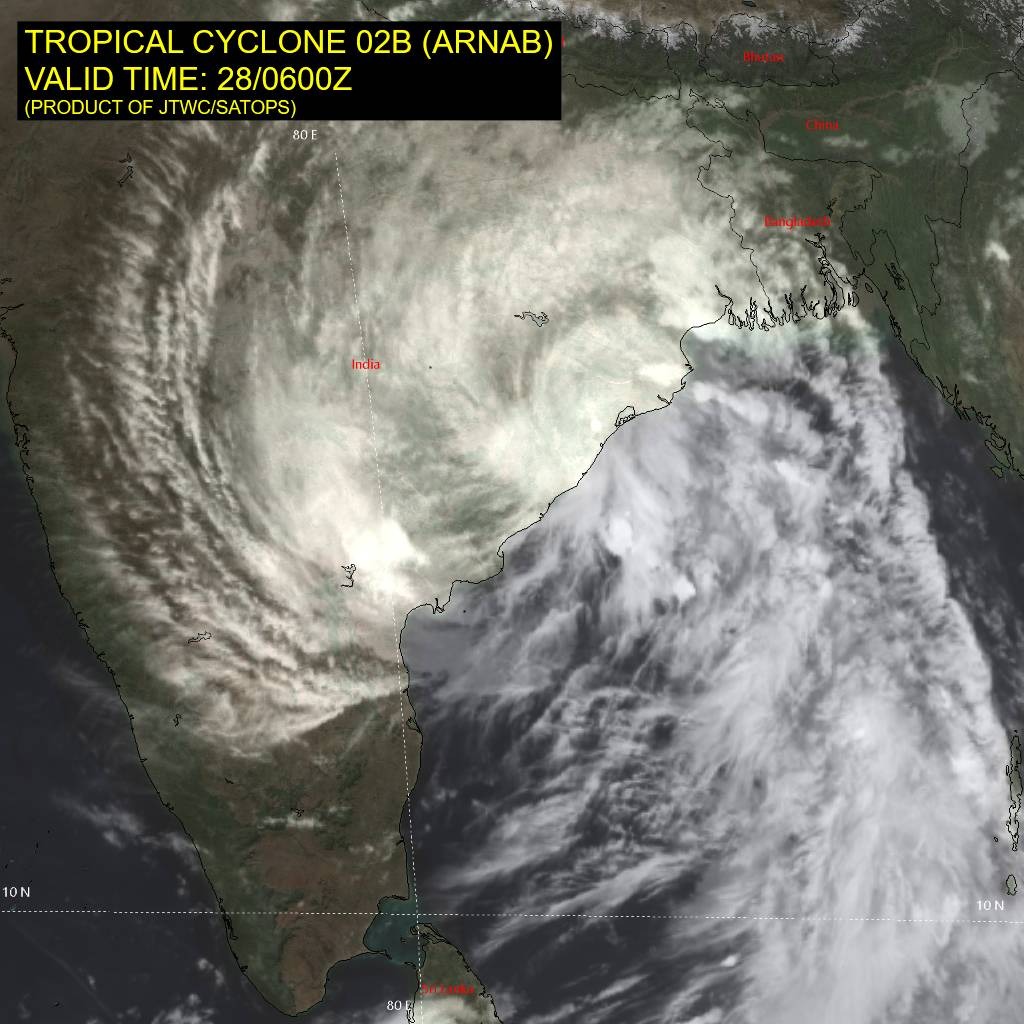
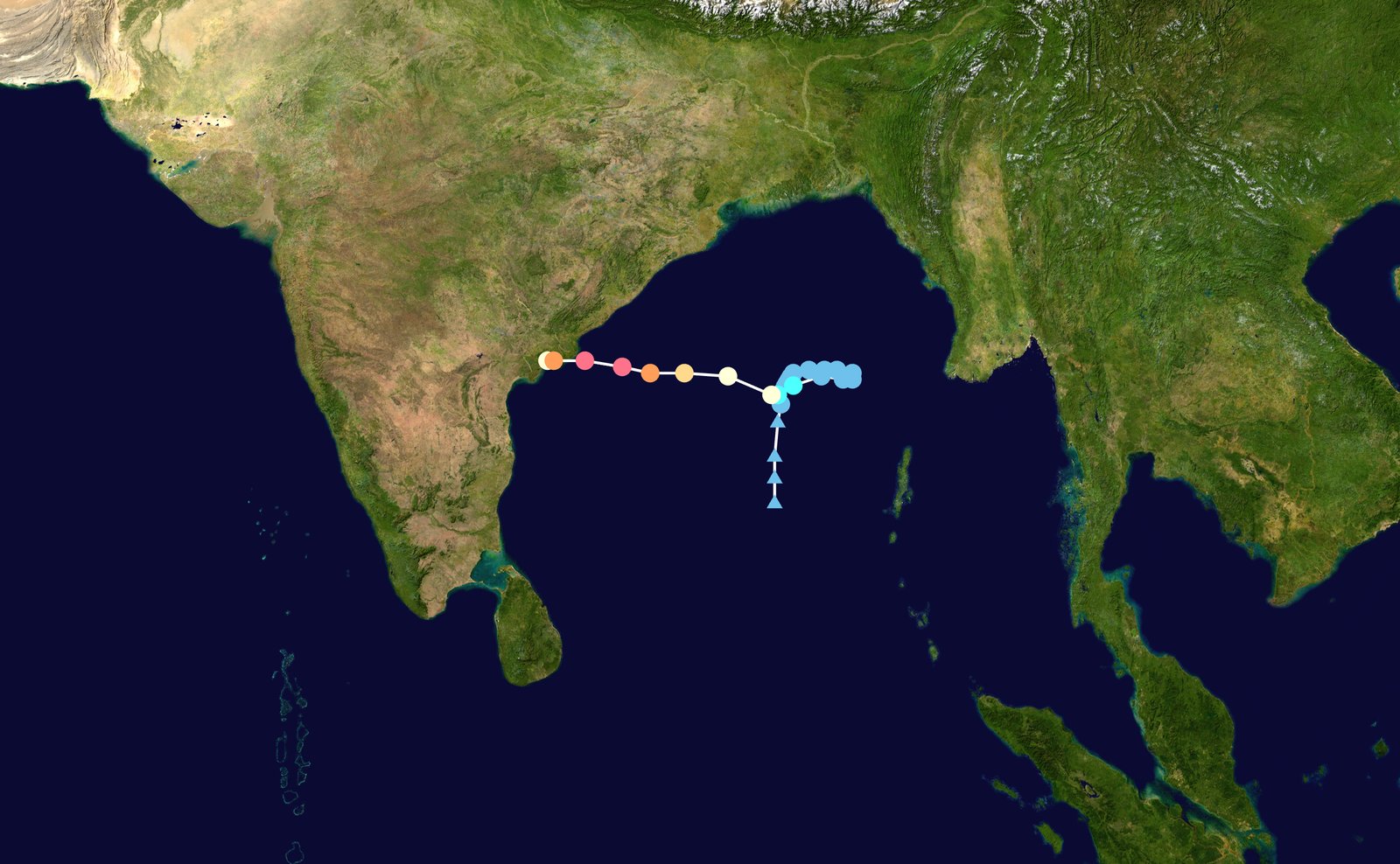
- Cyclone Arnab crossed the Andhra Pradesh and Yanam coasts near Narsapur between 2am and 8am on Wednesday 28 October, with sustained winds of 125 to 135 kilometres per hour and gusts up to 150 kilometres per hour, the India Meteorological Department said.
- Three people died in Andhra Pradesh — one killed by a falling tree in Bhimavaram and two electrocuted in separate incidents — the National Disaster Response Force said.
- About 57,000 people were moved to relief camps in Andhra Pradesh and more than 30,000 people were evacuated in Odisha, while about 180 houses were damaged and crops on more than 80,000 hectares were damaged or under water, according to the chief minister's letter to the federal home minister.
- The storm weakened from a very severe cyclonic storm to a severe cyclonic storm over land and was nearly stationary near Narsapur by Wednesday afternoon, with further weakening expected by midnight, the India Meteorological Department said.
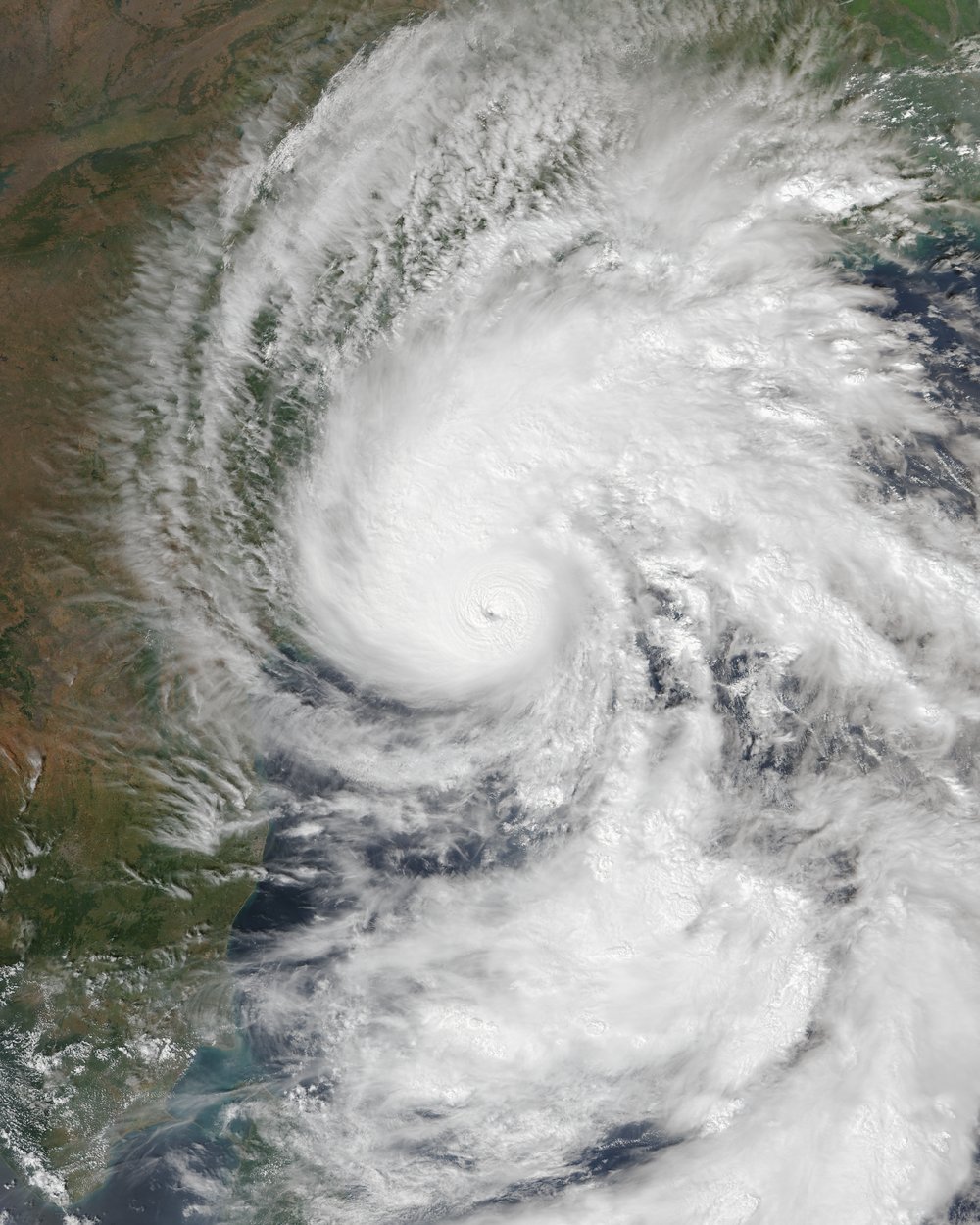
Cyclone Arnab has made landfall on India's east coast, killing three people in Andhra Pradesh and forcing tens of thousands into relief camps, after crossing the shore near Narsapur early on Wednesday. The storm, classified by the India Meteorological Department as a very severe cyclonic storm, crossed the Andhra Pradesh and Yanam coasts between 2am and 8am local time, with sustained winds of 125 to 135 kilometres per hour and gusts reaching 150 kilometres per hour, the department said. Read more: Dozens of Somali soldiers killed in al-Shabaab battle as accounts of the fighting diverge
The National Disaster Response Force said three people had died in Andhra Pradesh. A man was killed by a falling tree in Bhimavaram, in West Godavari district, while two people died of electrocution in separate incidents: a 53-year-old man in Visakhapatnam district on Tuesday night, after coming into contact with a snapped live wire over an agricultural field channel, and a 55-year-old woman in Yellamanchili town in Anakapalli district on Wednesday morning, after stepping on an exposed live wire outside her home, according to officials quoted by the Deccan Herald and the New Indian Express.
Andhra Pradesh Chief Minister N. Chandrababu Naidu said in a letter to federal Home Minister Amit Shah that about 180 houses were damaged and 220 trees were brought down, CNA reported, and that paddy on about 70,900 hectares and horticulture crops on 10,450 hectares were under water or damaged, The Hindu reported. Heavy rain and high winds also disrupted power supply in several areas, and the chief minister has sought a central team to assess the damage.

The key figures
| Measure | Figure | Source |
|---|---|---|
| Landfall window | 2am to 8am IST, 28 October 2026, near Narsapur | India Meteorological Department, via Deccan Herald |
| Sustained winds at landfall | 125 to 135 km/h | India Meteorological Department |
| Gusts | Up to 150 km/h | India Meteorological Department |
| Deaths in Andhra Pradesh | 3 | National Disaster Response Force |
| People in relief camps, Andhra Pradesh | About 57,000 | National Disaster Response Force, via The Hindu |
| People evacuated, Odisha | More than 30,000 | New Indian Express |
| Houses damaged | About 180 | Chief Minister's letter, via CNA and The Hindu |
| Crops damaged or under water | 70,900 ha paddy; 10,450 ha horticulture | Chief Minister's letter, via The Hindu |
| Flights cancelled, Visakhapatnam airport | 38 | The Hindu |
| Trains cancelled / rescheduled | 57 / 15 | South Coast Railway, via Deccan Herald |
Evacuations and disruption
About 57,000 people were moved to relief camps in Andhra Pradesh, according to the National Disaster Response Force, while more than 30,000 people were evacuated in Odisha, the New Indian Express reported. Schools were closed and train and flight services were cancelled along the eastern coast as the storm approached: South Coast Railway cancelled 57 trains and rescheduled 15 others, the Deccan Herald reported, and 38 flights were cancelled at Visakhapatnam airport, The Hindu reported.
Neighbouring Odisha was not as badly affected as Andhra Pradesh, the National Disaster Response Force's Narendra Singh Bundela told reporters, adding that wind speeds were expected to reduce as the cyclone moved inland. Heavy to extremely heavy rainfall nevertheless continued in southern Odisha, and the India Meteorological Department forecast heavy rainfall in parts of West Bengal until 31 October.
What happens next
The storm was nearly stationary near Narsapur by Wednesday afternoon, having travelled only about 30 kilometres in the six hours to 11.30am, the India Meteorological Department said, as reported by The Hindu. It was expected to weaken further by early evening and to become a deep depression by around midnight, drifting slowly north-west over the next two days.

Restoration and relief operations are under way, with disaster response teams clearing debris and working to restore power and essential services. The open questions are how far the damage bill will run once the rain stops, and whether the final toll stays at the three deaths confirmed in Andhra Pradesh. Europe Unfolded will report confirmed updates as they come.
Updates & corrections
Published 28 October 2026.
No corrections have been made.
Sources
- CNA, 28 October 2026, on the three deaths, the National Disaster Response Force account, the very severe cyclonic storm classification, about 180 houses damaged and 220 trees brought down: channelnewsasia.com
- The Hindu live updates, 28 October 2026, on the landfall near Narsapur, the weakening to a severe cyclonic storm, about 57,000 people in relief camps, the chief minister's letter on crops and houses, 38 flights cancelled at Visakhapatnam airport, and the forecast weakening to a deep depression: thehindu.com
- Deccan Herald, 28 October 2026, on the 2am to 8am landfall window, the wind speeds, the two electrocution deaths, and 57 trains cancelled and 15 rescheduled: deccanherald.com
- New Indian Express, 28 October 2026, on the three deaths including the Bhimavaram falling-tree death, about 57,000 people in relief camps in Andhra Pradesh and more than 30,000 evacuated in Odisha, and the heavy rainfall forecasts: newindianexpress.com
- Mathrubhumi English, 28 October 2026, corroborating the three deaths in Andhra Pradesh, the weakening to a severe cyclonic storm, and restoration and relief operations under way: english.mathrubhumi.com
- ETV Bharat live updates, 28 October 2026, on the India Meteorological Department landfall coordinates near Narsapur and the completion of the landfall process: etvbharat.com