Key points
- ETIAS is not in operation and no applications are being collected, the European Commission says — so no website can sell you a real ETIAS today.
- Frontex identified more than 100 unofficial ETIAS websites in June 2024: some are legitimate businesses, others pose risks the agency lists as identity theft, extortionate fees and data misuse.
- When ETIAS launches, the official fee will be €20, charged through the only official website, europa.eu/etias, or its app. Anything extra a commercial site charges is that site's own fee.
- What to do today: nothing. The EU will announce the start date several months in advance — until then there is no form to fill in and no authorisation to buy.
ETIAS status — checked 30 October 2026: The system is not running yet, and no applications are being accepted from anyone. Official EU material has pointed to a start late in 2026, but more recent reporting suggests that timetable may slip again, and no exact launch date has been confirmed. When applications do open, the standard fee will be €20, and some travellers will be exempt from paying it. Until the official announcement lands, there is no form to complete and no fee to hand over. If a website asks you to apply or pay today, it is not selling an ETIAS authorisation — none exists yet.
ETIAS is one of the most searched-for topics in European travel, and one of the most confusing. The European Travel Information and Authorisation System will change how visa-free visitors enter 30 European countries. But it has not started. In the gap between the announcement and the launch, an industry has grown up: Frontex, the EU's border agency, had already counted more than 100 unofficial websites providing ETIAS information by June 2024 — and warned that some of them claim to accept applications for a system that does not yet exist.
What ETIAS is
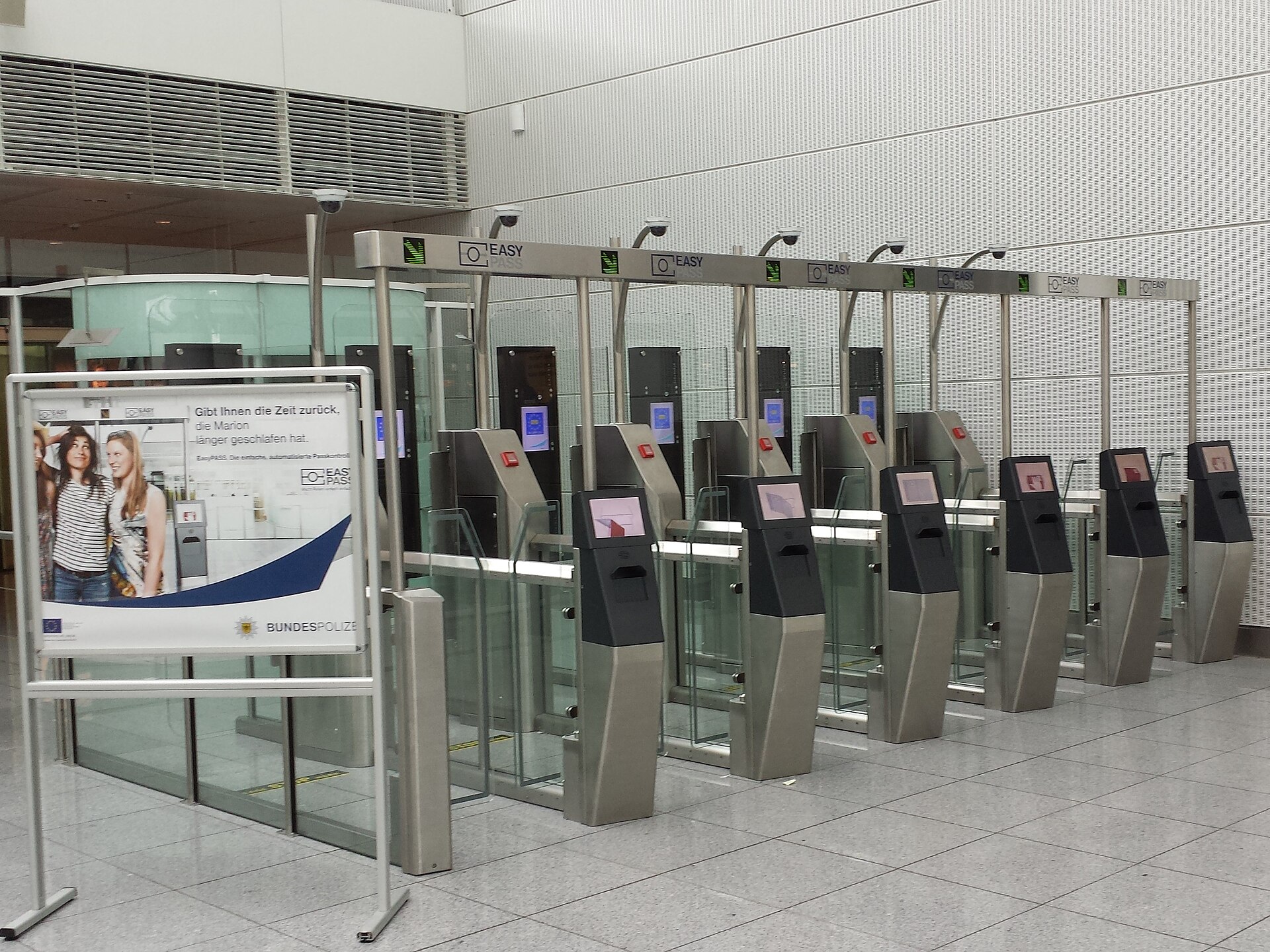
ETIAS is a pre-travel authorisation for people who do not need a visa. Once it is running, nationals of around 60 visa-free countries — some 1.4 billion potential travellers, by Frontex's estimate — will have to apply online before travelling to any of 30 European countries for a short stay of up to 90 days in any 180-day period. The point is screening before departure: the system is designed to identify security, irregular-migration or high epidemic risks before a traveller sets off, and the authorisation will be checked together with the traveller's documents by border guards at the border, the European Commission says. It is not a visa, and it does not change who may travel visa-free; it adds an application step in front of a trip that today needs none.
Why nobody can apply today
The European Commission's Migration and Home Affairs department states the position plainly: ETIAS "is currently not in operation and no applications for travel authorisations are collected at this point." There is no live application form. No public start date has been fixed either; the Commission says the EU will announce the specific start date several months before the launch, and that once the system goes live, travellers will apply via an official website and/or an app for mobile devices. That has a blunt consequence for anything on sale today: whatever a website is charging for under the ETIAS name right now, it is not an ETIAS travel authorisation, because no such authorisation can be issued.
The warning Frontex issued in June 2024
Frontex, the European Border and Coast Guard Agency, published its warning in June 2024. It said it had identified over 100 unofficial websites currently providing information on ETIAS to non-EU travellers, and it was careful to split them into two groups: "While some of these websites are run by legitimate businesses, others may be less trustworthy." The sharper problem was the sites claiming to take applications. Francois Laruelle, Director of the ETIAS Central Unit Division at Frontex, said: "We are aware of several sites that claim to already accept ETIAS applications. Travellers should be very cautious about those websites, as it is not currently possible to apply for an official ETIAS travel authorisation since the system is not operational yet."
Frontex listed the risks posed by dubious third parties as ranging "from identity theft to charging extortionate fees and data protection concerns", and said many of the unofficial websites also provide wrong information about whom ETIAS applies to and about the application process. Some of the sites use techniques to seem trustworthy: they may mimic the layout of the official ETIAS website, use domain names that seem official, or use copyrighted EU materials. The agency's advice to travellers was to be careful whom they share their personal data with — advice that applies with even more force while the system still does not exist.

How the unofficial sites make their money
The first route is fees. Frontex's warning about "extortionate fees" is aimed at sites charging travellers heavily for a service that, today, cannot be completed at all — and that will cost a fixed €20 through the official channel once it can. The second route is data. An application-style form asks for exactly the details that are most sensitive to hand over — passport information, personal details and payment card numbers — which is why Frontex pairs its fee warning with identity theft and data-protection concerns. The third route is packaging: information the EU publishes free is wrapped in a paid service, presented in a design that borrows the EU's own look.
Commercial intermediaries, it should be said, are not banned. Frontex notes that they will be able to apply for a travel authorisation on behalf of their clients — but they will have to lodge the application through the official ETIAS website, the only official channel. Anything an intermediary charges above the official fee is payment for its own service, not for a different, faster or more official authorisation.
The key figures
| Measure | Figure | Source |
|---|---|---|
| Application status today | Not open — no applications collected | European Commission |
| Official fee once the system is live | €20 | European Commission |
| Unofficial websites identified | More than 100 | Frontex, June 2024 |
| European countries covered | 30 | European Commission |
| Visa-free countries affected | Around 60 | Frontex |
| Short stay covered | Up to 90 days in any 180-day period | European Commission |
How to tell the official channel
There is exactly one official ETIAS website: europa.eu/etias, Frontex says. Official European Union websites live on the europa.eu domain; an address that simply contains the word ETIAS, or a page dressed in EU flags and colours, is not the EU. The price is the second test. The Commission has set the fee at €20 — raised from the €7 figure still quoted in older material — and says the new fee takes effect as soon as ETIAS is operational. So a page promising a €7 application is out of date, and a page charging well over €20 is adding its own charges, or selling something that does not exist. The third test is the calendar: because applications are not being collected yet, any site offering to submit one today fails it by definition.
What to do today
For travellers, the honest answer is: nothing. There is no form to complete, no fee to pay and no queue to join. The Commission says the start date will be announced several months in advance, which leaves time to apply through the official site once it opens. If you have already paid an unofficial website, be clear about what you bought: it cannot be an ETIAS authorisation, since none can be issued, and your passport and payment details are now held by a third party — worth remembering if further "processing" charges appear. When the system does open, apply at europa.eu/etias — or, if you use an intermediary, use one you trust, knowing it must lodge the application through the same official channel as everyone else.
Updates & corrections
Published 30 October 2026.
Update made 30 October 2026: a dated ETIAS status box was added to this article following a post-publication accuracy review. No other changes have been made.
Sources
- Frontex (European Border and Coast Guard Agency), "Beware of risks posed by unofficial ETIAS websites", news release, June 2024 — Frontex identified over 100 unofficial websites providing ETIAS information; some are run by legitimate businesses, others may be less trustworthy; several claim to already accept applications although the system is not operational yet; the risks of dubious third parties range from identity theft to extortionate fees and data-protection concerns; europa.eu/etias is the only official ETIAS website: frontex.europa.eu
- European Commission (Migration and Home Affairs), "European Travel Information Authorisation System (ETIAS)" — ETIAS is currently not in operation and no applications for travel authorisations are collected; the EU will announce the specific start date several months prior to launch; applications will be made via an official website and/or app; the ETIAS fee has been set at €20 instead of the previous €7 and takes effect as soon as ETIAS is operational; ETIAS applies to visa-free travellers visiting 30 European countries for up to 90 days in any 180-day period: home-affairs.ec.europa.eu
- Frontex, traveller leaflet on ETIAS (hosted by Austria's Federal Ministry of the Interior) — there is only one official ETIAS website, europa.eu/etias; commercial intermediaries will have to use the official ETIAS website to apply on behalf of their clients, and any additional charges are the intermediaries' own: bmi.gv.at (PDF)