Key points
- The UN General Assembly voted 130 to 17 on Wednesday 28 October 2026 to condemn the United States embargo on Cuba, with 25 abstentions — the 34th consecutive year the resolution has passed, the Associated Press reported.
- The resolution is not legally binding, but it is the world's most watched annual verdict on Washington's Cuba policy — and this year's majority is far thinner than last year's 165 to 7, with 12 abstentions.
- Ten more countries voted against the resolution than last year and 13 more abstained, according to Responsible Statecraft, after an intense American pressure campaign led by the US ambassador to the UN, Mike Waltz.
- Germany, Italy and Latvia were among the countries abstaining for the first time in 34 years, the Associated Press reported — a sign of how far Washington's lobbying reached, even though it could not defeat the resolution.
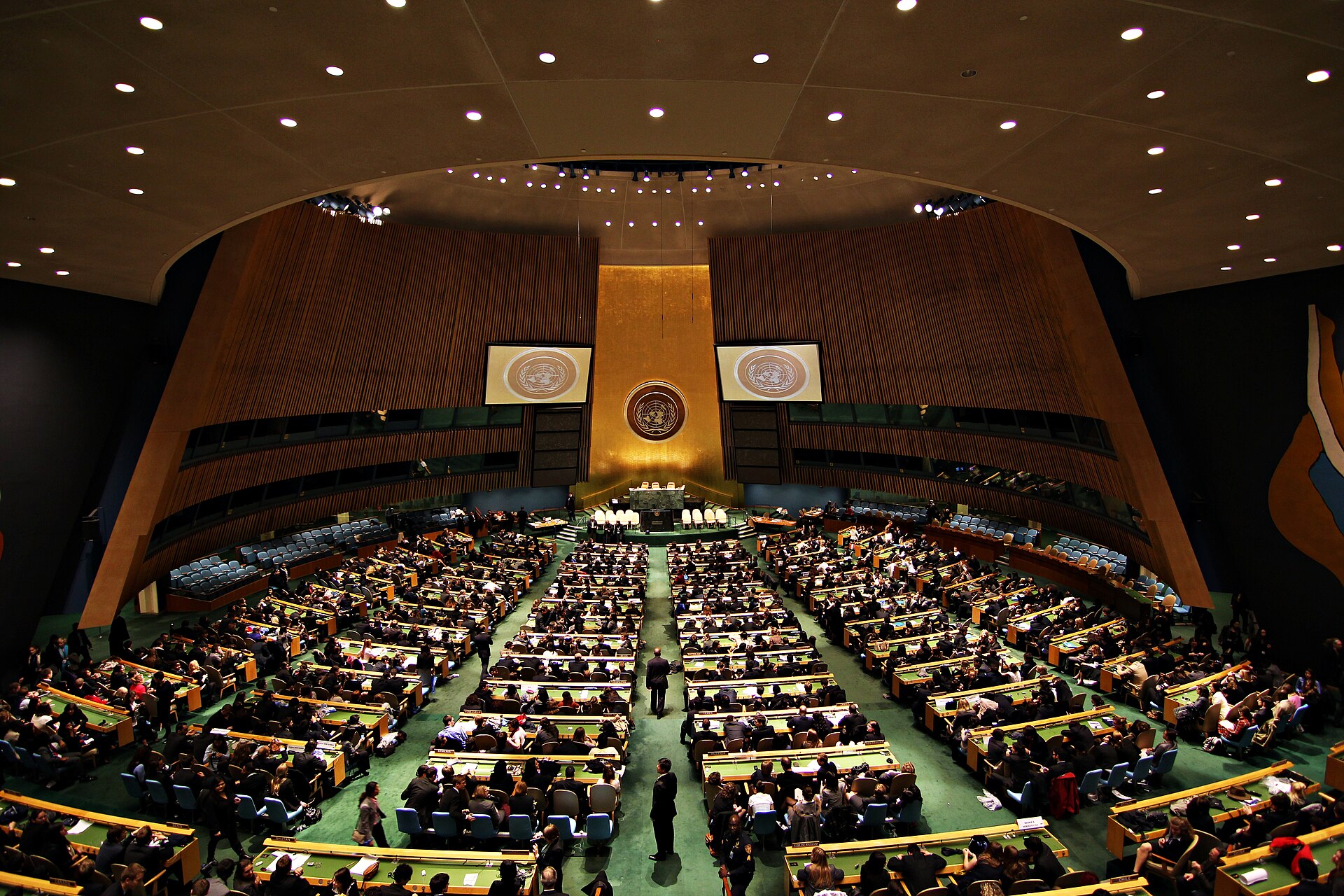
The General Assembly voted on Wednesday to condemn the decades-long United States economic embargo on Cuba, the Associated Press reported, in a resolution Havana has put before the Assembly every year since 1992. The text is not legally binding, the Associated Press noted, but it reflects world opinion — and this year that opinion, while still overwhelmingly against the embargo, fractured more than it has in years. Read more: Qatar tells Iran to show good intentions as Hormuz shipping row sharpens
The vote comes as Cuba faces a deepening financial crisis while the United States increases its economic campaign against the island, the Associated Press reported. Last week, President Donald Trump once again raised the prospect of American military intervention, saying US warships could stop over in Cuba on their way back from the Iran war, according to the Associated Press.
The key figures
| Measure | Figure | Source |
|---|---|---|
| Votes in favour, 28 October 2026 | 130 | Associated Press / Responsible Statecraft |
| Votes against, 28 October 2026 | 17, including the US and Israel | Associated Press / Responsible Statecraft |
| Abstentions, 28 October 2026 | 25 | Associated Press / Responsible Statecraft |
| Same vote last year | 165 in favour, 7 against, 12 abstentions | Associated Press / Responsible Statecraft |
| Shift from last year | 10 more against, 13 more abstentions | Responsible Statecraft |
| First-time abstainers named | Germany, Italy, Latvia | Associated Press |
| Consecutive years the resolution has passed | 34 | Associated Press / Responsible Statecraft |
The pressure campaign
The shift in the numbers was the product of a deliberate American campaign, not an accident of attendance. Responsible Statecraft reported that the Trump administration's diplomatic push against the annual resolution — led by Ambassador Mike Waltz — was even more intense than last year's effort. In the days before the vote, Waltz hosted an invitation-only event for US-backed Cuban dissidents and researchers making the case against the resolution, and a press conference with the head of Freedom House urging other countries' ambassadors to weigh Cuba's political prisoners, foreign medical brigades, corruption and the military-run conglomerate GAESA before casting their votes, according to Responsible Statecraft.
The campaign had a longer run-up. Responsible Statecraft reported that earlier in the year, Secretary of State Marco Rubio had made a similarly unsuccessful effort to shut down a General Assembly debate on the escalating American sanctions against Havana — the debate that UN News recorded on 7 July 2026, when the Assembly met at Havana's request to discuss the embargo amid warnings of increasing suffering on the island. That the July debate went ahead, and the October resolution still passed, shows the limits of the pressure: Washington moved votes, but it did not move the outcome.

The shouting match
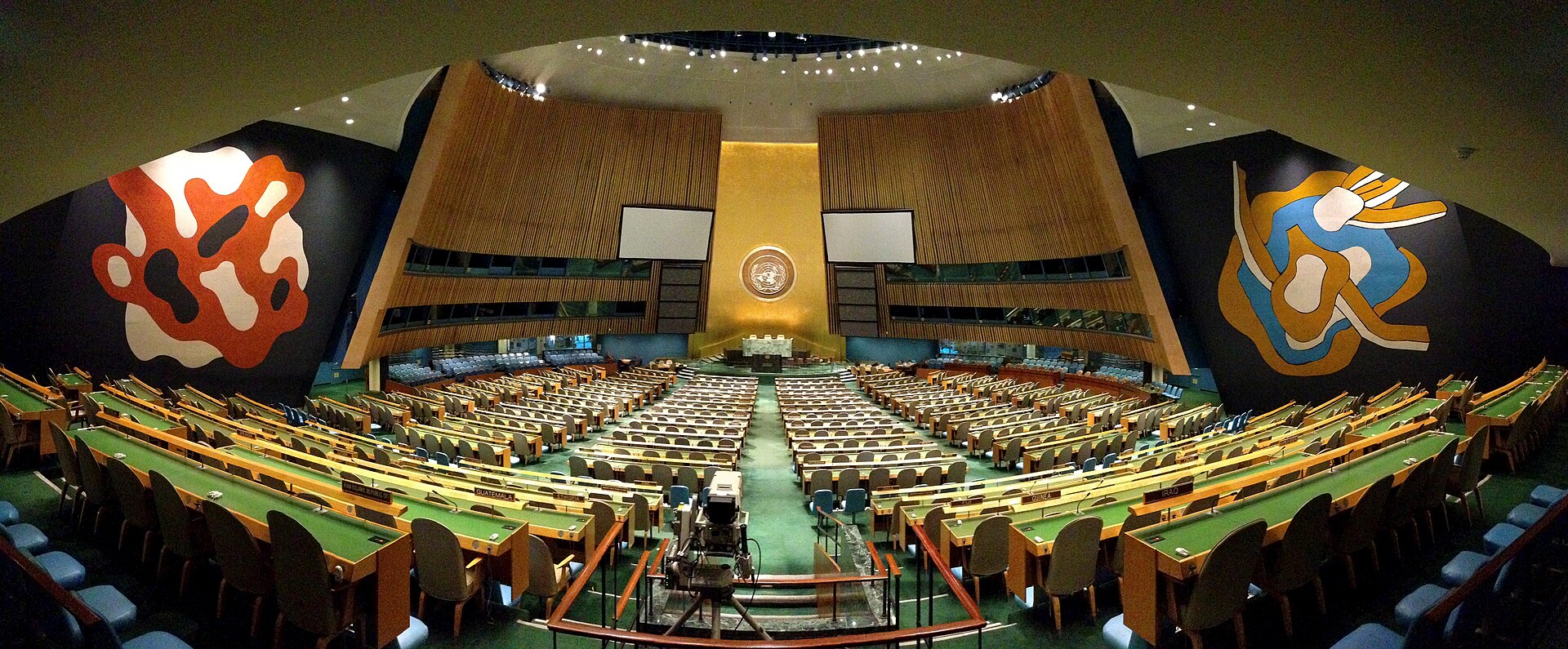
The debate itself boiled over the day before the vote. As Ambassador Waltz was addressing the General Assembly on Tuesday, criticising repression of Cuban citizens by the communist government, Cuban Foreign Minister Bruno Rodríguez walked down to the podium, called him a liar and demanded a point of order, the Associated Press reported. Waltz replied: "This individual needs to back away from this podium. He's not going to intimidate me in the United States of America," as UN security staff tried to intervene, according to the Associated Press. The chair briefly suspended the session and told both delegations to return to their seats, after which Waltz was allowed to continue.
Rodríguez later posted on X that Waltz was speaking at the United Nations, not at a national security meeting at the White House, the Associated Press reported. The exchange captured, in miniature, what the vote itself showed: a confrontation in which neither side gave ground, but in which the room around them shifted.

What happens next
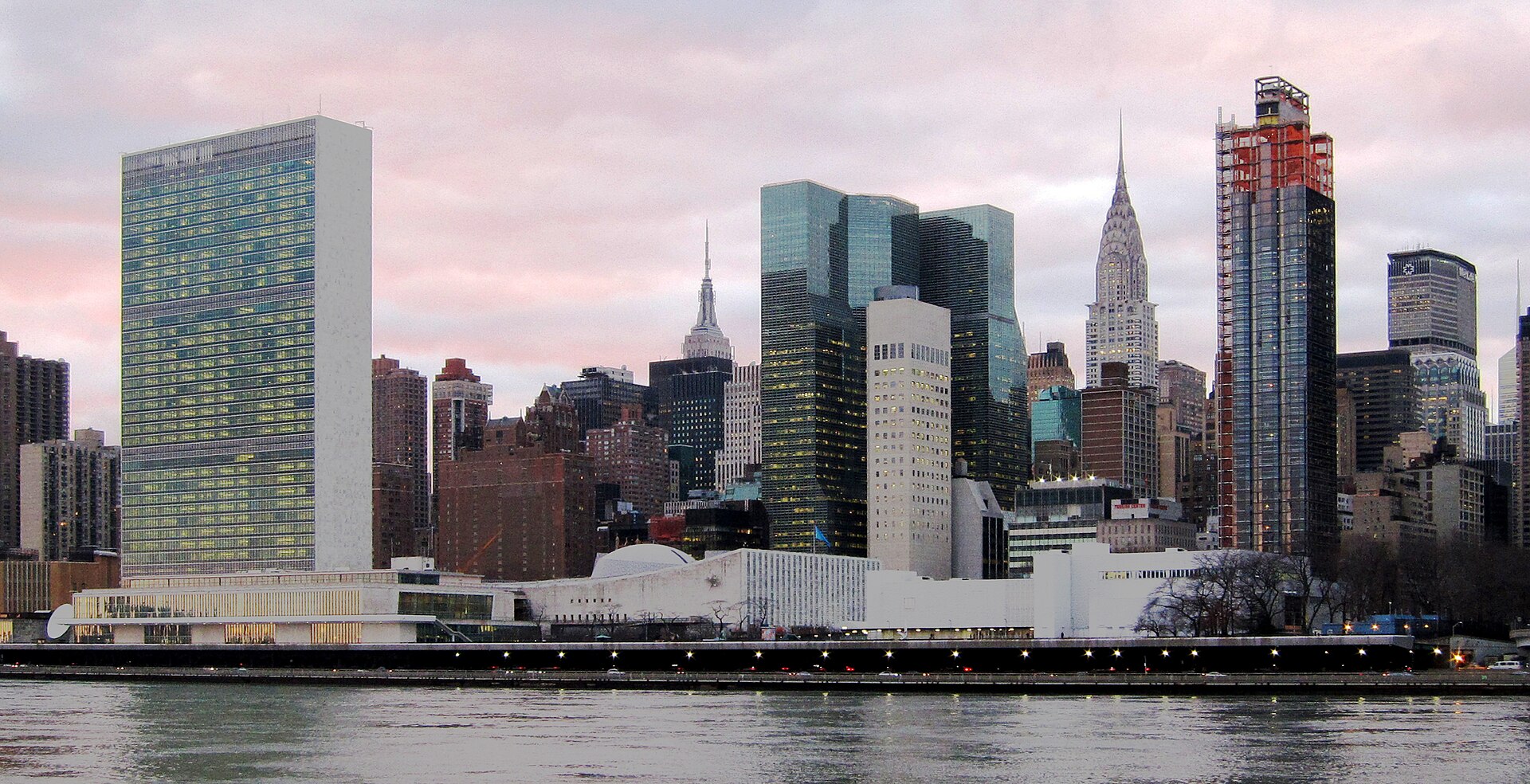
Nothing in Wednesday's vote changes the embargo itself: the resolution binds no one, and Washington has shown no sign of lifting restrictions. What it changes is the diplomatic arithmetic. A resolution that passed 165 to 7 last year now passes 130 to 17, and the countries that moved — including, for the first time, major European states — will be watched the next time the resolution returns, as it does every year. Europe Unfolded will report any official response from Washington and Havana, and the next steps in the embargo debate, when they are confirmed, not the rumours that precede them.
Updates & corrections
Published 28 October 2026.
No updates or corrections have been made to this article since publication.
Sources
- Associated Press, via DT Next, 28 October 2026, on the 130–17 vote with 25 abstentions, the 34th year, the non-binding nature of the resolution, first-time abstentions by Germany, Italy and Latvia, the shouting match, and Trump's military-intervention remarks: dtnext.in
- Responsible Statecraft, 28 October 2026, on the 130–17–25 tally, the shift of 10 more votes against and 13 more abstentions from last year, the Waltz-led pressure campaign, the dissidents' event and Freedom House press conference, and the Rubio effort over the July debate: responsiblestatecraft.org
- Associated Press, via The Hindu, 28 October 2026, on the 27 October shouting match, the temporary suspension of the debate, and the resolution's annual history since 1992: thehindu.com
- Associated Press, via La Nación, 28 October 2026, on the pre-vote context, last year's 165–7–12 tally, and the uncertainty over whether the US campaign would move votes: lanacion.com.ar
- UN News, 7 July 2026, on the General Assembly debate on US sanctions against Cuba held at Havana's request: news.un.org