Key points
- Two exit polls published by Bulgarian National Radio after domestic polls closed on Sunday 1 November 2026 put Iliana Iotova and Kiril Valchev ahead of Andrey Gyurov and Georgi Kandev: Myara gave the tickets 51% against 44.7%, and Alpha Research gave 52.5% against 43.4%.
- These are exit polls, not results: they are estimates from interviews with voters, and the Central Election Commission's official count had not been published when this article went out.
- Both agencies also recorded about 4% for the "I do not support any candidate" option — 4.3% in Myara's poll and 4.1% in Alpha Research's — and put estimated turnout at 26.8% and 29.1% respectively.
- The runoff was needed because no ticket won outright on 25 October: the Commission's official first-round figures gave Iotova and Valchev 34.760% and Gyurov and Kandev 31.953%, on turnout of 22.98%.
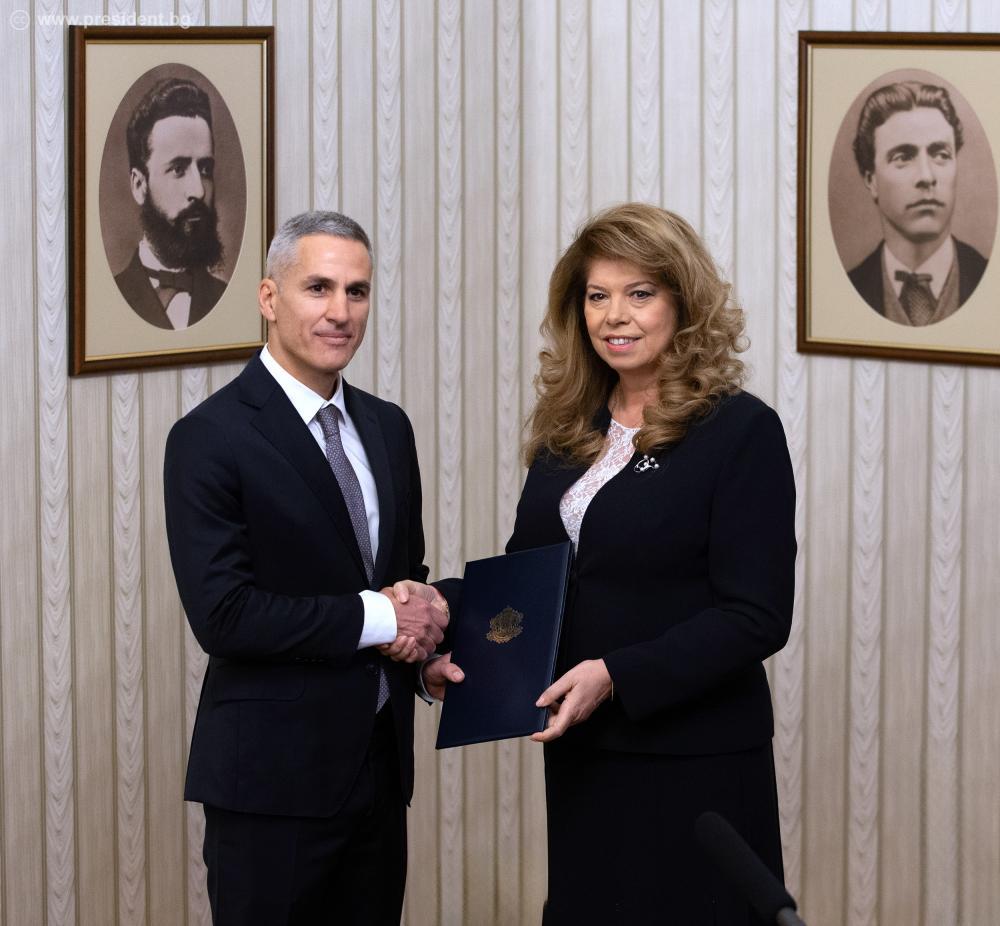
- If the official count confirms the exit polls, Iotova would become Bulgaria's first elected female head of state, the Associated Press and Reuters reported; she has held the presidency since January 2026, after her predecessor resigned, but has not previously won it in a presidential vote.
Bulgaria's presidential runoff ended its domestic voting day with the incumbent in front on the exit polls — and with the result still unconfirmed. Bulgarian National Radio published two agencies' estimates on Sunday evening after polling stations in Bulgaria closed at 8 p.m. Sofia time: Myara put the Iotova–Valchev ticket at 51% and the Gyurov–Kandev ticket at 44.7%, while Alpha Research put them at 52.5% and 43.4%. The Associated Press, reporting surveys by several polling organisations, summarised the picture as about 52% for Iotova against about 44% for Gyurov. Read more: Students defeat Vucic in Serbia — how a protest movement took parliament
The gap between the two agencies' figures is itself part of the story, and it is why this article does not declare a winner. Exit polls are not one count but separate surveys, each with its own sample and margin of error, and the two published here differ by 1.5 points on Iotova's share and 1.3 points on Gyurov's. Their turnout estimates differ more — 26.8% from Myara against 29.1% from Alpha Research — which is a reminder that even the size of the electorate that turned out is, at this stage, an estimate. What the two polls agree on is the direction and the rough scale of the lead: a lead of roughly six to nine points for the incumbent ticket, with about one voter in twenty-five choosing neither candidate.
What the two exit polls showed
Both polls were published by Bulgarian National Radio, which partnered with the two agencies for its election coverage. Myara's figures, as of 8 p.m. on 1 November, were 51% for Iotova–Valchev, 44.7% for Gyurov–Kandev and 4.3% for "I do not support any candidate", on estimated turnout of 26.8%. Alpha Research's figures, also reported as of 8 p.m., were 52.5%, 43.4% and 4.1%, on estimated turnout of 29.1%. Reuters, in its own report on the exit polls, put Iotova at about 51% against 43% to 45% for Gyurov, and noted that the vote was for a largely ceremonial role — a description that matters for what the presidency can and cannot do, whatever the final count says.


One timing detail keeps the picture incomplete even beyond the exit-poll caveat. Voting abroad did not end with the domestic close: Bulgarian National Radio reported that overseas voting, which began in Auckland, New Zealand, at 8 p.m. Bulgarian time on 31 October, was due to conclude on the west coast of the United States at 6 a.m. Bulgarian time on 2 November, with polling stations in 60 countries. The exit polls published on Sunday evening therefore describe the domestic vote, not a finished worldwide count — another reason to wait for the Commission.
A runoff after a record-low first round
Sunday's runoff was the second round of an election that began on 25 October with 27 candidate tickets. Under Bulgaria's rules, a ticket wins outright in the first round only with more than half the valid votes on turnout above 50% — and the first round met neither condition. The Central Election Commission's final first-round figures gave Iotova and Valchev 528,951 votes (34.760%) and Gyurov and Kandev 486,232 votes (31.953%), a gap of about 2.8 points, with 1,525,034 voters taking part out of about 6.6 million registered — turnout of 22.98%, described in reporting on the Commission's figures as a record low. Both tickets were nominated by initiative committees rather than directly by parties, Bulgarian National Radio noted, which fits the shape of the contest: Iotova, an independent, is backed by Prime Minister Rumen Radev's Progressive Bulgaria party, the Associated Press reported, while Gyurov, a former caretaker prime minister, is backed by the reformist pro-Western opposition, the same agency reported.
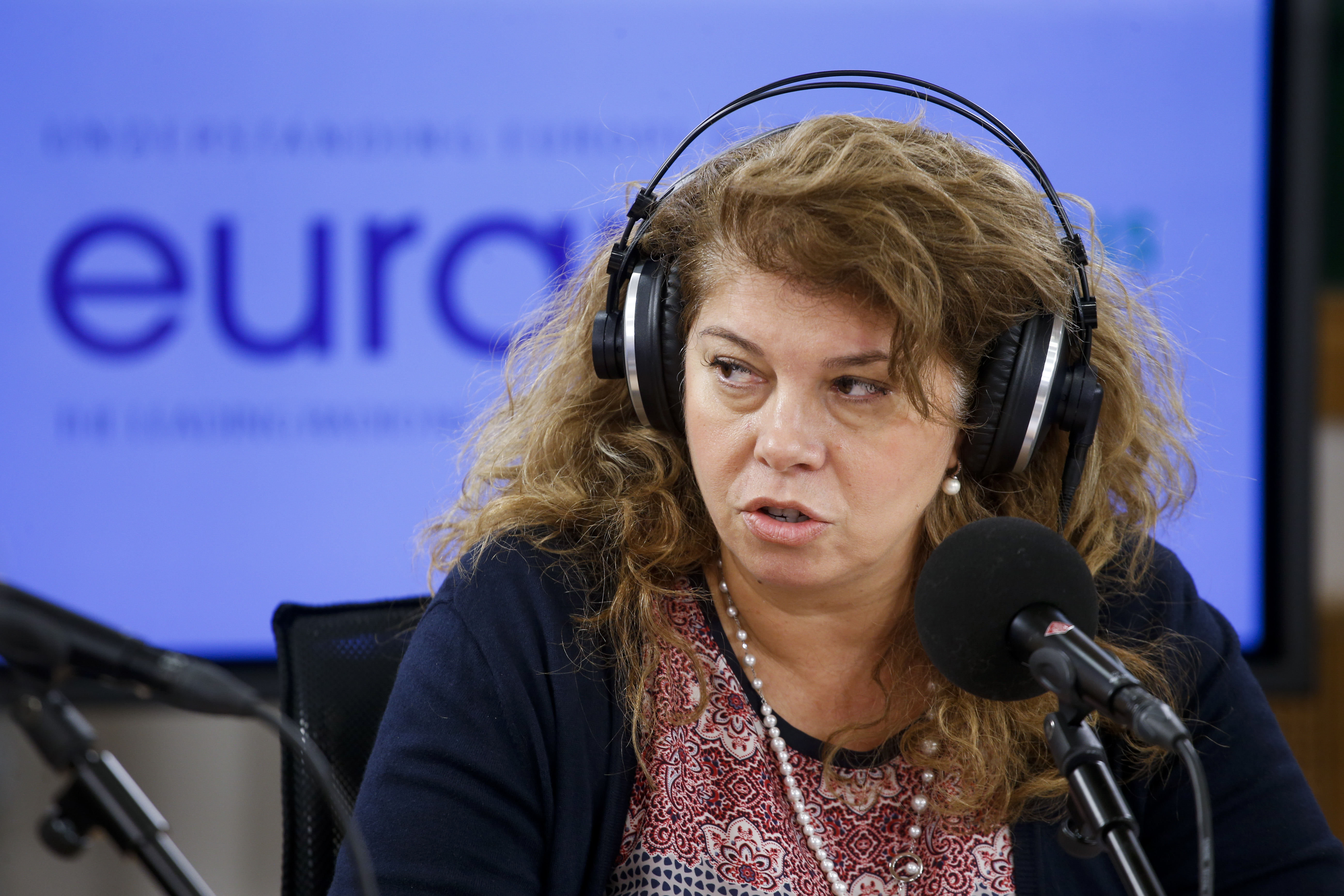

The contest also carried a foreign-policy argument that voters heard in the campaign's final days. In a televised debate on 29 October carried by Bulgarian National Television, Iotova argued that more funding and weapons for Ukraine would bring further destruction, according to reporting on the debate — a position that sets her apart from Gyurov's camp, which has presented itself as the pro-Western, pro-alliance choice. The presidency itself is a five-year term, Bulgarian National Radio noted, and the winner will hold it at a moment when Bulgaria's Black Sea coast has been drawn into the war's spillover, with drone attacks on merchant shipping reported off its coast in the run-up to the vote.
What happens next
The next step belongs to the count, not to the polls. The Associated Press reported that partial official results were expected later on Sunday, with final results due on Monday. Until the Central Election Commission publishes counted votes, the honest statement of Sunday night's position is the one this article has used throughout: the exit polls point to an Iotova win, by a margin both agencies put in high single figures, and the official result could still move that margin — or, in principle, overturn it. Europe Unfolded will update this article when the Commission's figures arrive, and will say plainly if they differ from the exit polls. (A note on names: Bulgarian National Radio and the election commission spell the incumbent's surname Iotova; the Associated Press transliterates it as Yotova. They are the same person.)
| Measure | Figure | Source |
|---|---|---|
| Myara exit poll, runoff: Iotova–Valchev | 51% | Bulgarian National Radio |
| Myara exit poll, runoff: Gyurov–Kandev | 44.7% | Bulgarian National Radio |
| Alpha Research exit poll, runoff: Iotova–Valchev | 52.5% | Bulgarian National Radio |
| Alpha Research exit poll, runoff: Gyurov–Kandev | 43.4% | Bulgarian National Radio |
| "I do not support any candidate", exit polls | 4.3% (Myara); 4.1% (Alpha Research) | Bulgarian National Radio |
| Estimated runoff turnout, exit polls | 26.8% (Myara); 29.1% (Alpha Research) | Bulgarian National Radio |
| First round, official: Iotova–Valchev | 528,951 votes, 34.760% | Central Election Commission, via published first-round results |
| First round, official: Gyurov–Kandev | 486,232 votes, 31.953% | Central Election Commission, via published first-round results |
| First-round turnout, official | 22.98% (1,525,034 voters) | Central Election Commission, via published first-round results |
| First-round field | 27 candidate tickets | Bulgarian National Radio |
Updates & corrections
Published 2 November 2026.
Note: this article reports exit polls only, because the Central Election Commission's official runoff results had not been published at the time of writing. It will be updated when the official count is published.
No corrections have been made to this article since publication.
Sources
- Bulgarian National Radio (Radio Bulgaria, English), "Exit Poll: Iliana Iotova is Bulgaria's New President", 1 November 2026, on the Myara exit poll as of 8 p.m. (Iotova–Valchev 51%, Gyurov–Kandev 44.7%, "I do not support any candidate" 4.3%, turnout 26.8%) and the Alpha Research exit poll (52.5%, 43.4%, 4.1%, turnout 29.1%), on 27 candidate tickets entering the race, both tickets nominated by initiative committees, overseas voting at stations in 60 countries ending at 6 a.m. Bulgarian time on 2 November, and the five-year presidential term: bnrnews.bg
- Associated Press, via LaPresse, "Bulgaria, exit polls: Yotova set for victory in the presidential run-off", 1 November 2026, on surveys by several polling organisations putting Yotova at around 52% and Gyurov at around 44%, on Iotova becoming Bulgaria's first elected female head of state if confirmed, on Gyurov being backed by reformist pro-Western opposition parties, and on partial official results expected later on Sunday: lapresse.us
- Reuters, via TradingView, "Bulgaria's acting President Iotova takes lead in presidential runoff vote, exit polls show", 1 November 2026, corroborating the exit-poll lead at about 51% against 43% to 45% for Gyurov, on the low-turnout runoff and the largely ceremonial role, and on Iotova, 61, being on course to become the country's first elected female head of state: tradingview.com
- Central Election Commission first-round results, as published in the 2026 Bulgarian presidential election results summary, on the final first-round figures (Iotova–Valchev 528,951 votes, 34.76%; Gyurov–Kandev 486,232 votes, 31.95%), official turnout of 22.98% with 1,525,034 voters, and the runoff scheduled for 1 November 2026: ispd.org.cy
- EconoTimes, "Bulgaria Runoff Puts Ukraine Policy and Black Sea Security to a Vote", 1 November 2026, on the first-round Commission figures and 6,637,274 registered voters, on the 29 October Bulgarian National Television debate in which Iotova argued that more funding and weapons for Ukraine would bring further destruction, and on the Associated Press reporting that official results were expected Monday: econotimes.com